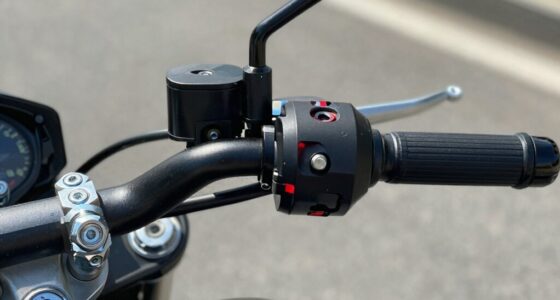
To inspect your classic motorcycle’s tires, start by checking the tire pressure with a reliable gauge, referencing the owner’s manual or sidewall markings to confirm it’s within the correct range. Examine the tread depth and look for uneven wear, embedded debris, cracks, or cuts. Inspect the sidewalls for bulges, cracks, or discoloration, and check the valve stems for leaks or damage. Continuing with these tips helps you keep your bike safe and reliable on the road.
Listen free for 30 days with Audible
Thousands of audiobooks and originals — cancel anytime.
As an affiliate, we earn on qualifying purchases.
Key Takeaways
- Check tire pressure regularly with a reliable gauge, adjusting based on manufacturer recommendations.
- Inspect tread depth and wear indicators to ensure adequate grip, especially in wet conditions.
- Examine sidewalls for cracks, bulges, or discoloration indicating potential damage or aging.
- Ensure valve stems are intact, free of leaks, and have secure caps to prevent air loss.
- Look for embedded debris, cuts, cracks, or signs of deterioration to prevent tire failure.

Inspecting motorcycle tires on a classic bike is vital for safety and peak performance. You want to confirm your tires are in good shape before every ride, so taking a few minutes to check them thoroughly can prevent accidents and extend the life of your tires. Start by examining the tire pressure. Proper tire pressure is essential because it affects handling, fuel efficiency, and tire wear. Use a reliable pressure gauge to check the PSI (pounds per square inch) listed on your bike’s owner’s manual or on the sidewall of the tire. If the pressure is too low, the tire can overheat and wear unevenly, increasing the risk of a blowout. If it’s too high, you might lose traction and comfort. Adjust the pressure accordingly, making sure both the front and rear tires are at the recommended levels. Remember, tire pressure can fluctuate with temperature changes, so check it regularly, especially before long rides.
Next, focus on the tread depth, which directly impacts your grip on the road. On a classic bike, you may have a vintage tire with distinct tread patterns. Use a tread depth gauge to measure how much rubber remains in the grooves. If you don’t have a gauge, a simple way is to look for the tread wear indicators—small raised bars inside the tread grooves. When the tread wears down to these markers, it’s time to replace the tire. Confirming adequate tread depth helps you maintain traction, especially in wet or slippery conditions. Check for uneven wear across the tire, which can signal alignment or suspension issues that need addressing. Also, look for any embedded debris, cuts, cracks, or punctures on the tire surface. These damages can compromise the integrity of the tire and lead to dangerous blowouts.
While inspecting, don’t forget to examine the sidewalls for bulges, cracks, or discoloration. These signs of damage suggest the tire may be compromised and should be replaced immediately. Also, check the valve stems for leaks or damage, as a faulty valve can lead to slow deflation. Regularly inspecting your tires helps you stay ahead of potential problems and ensures you’re riding on safe, reliable tires. By routinely inspecting the tire pressure, tread depth, and overall tire condition, you guarantee your classic bike remains safe and reliable. Routine maintenance** isn’t just about safety; it’s about enjoying your ride with confidence and peace of mind. Remember, chemical safety is important when handling any tire repairs or replacements involving chemicals or lubricants to prevent accidents. Additionally, understanding the signs of tire deterioration can help you identify issues before they become dangerous, keeping your rides both enjoyable and safe. Being aware of tire aging** can further inform you when it’s time to replace your tires, even if they appear to be in good condition.

Motorcycle Tire Pressure Gauge 60 PSI, PUIBERS 2’’ dial Mechanical Tire Gauges with 90 Degree Right Angle Chuck Flexible Hose, Tires Guages for Pressure Glow in The Dark for Cars, Motos, Bicycles
- Reliable Tire Pressure Measurement: Bronze bourdon tube, ANSI Grade B40.1 accuracy
- Glow in the Dark Dial: Easy to read in low light conditions
- Flexible 90° Chuck & Hose: Ideal for motorcycles, cars, bikes
As an affiliate, we earn on qualifying purchases.
As an affiliate, we earn on qualifying purchases.
Frequently Asked Questions
How Often Should I Replace My Motorcycle Tires?
You should replace your motorcycle tires when the tread depth reaches 2/32 inch or if you notice uneven wear, cracks, or damage. Regularly check your tire pressure and inspect for embedded objects or tire deformities. It’s best to assess these factors every 3,000 to 5,000 miles or sooner if you ride frequently or encounter rough terrain. Proper maintenance ensures safety and peak performance on your classic bike.
Can I Use Any Tire on My Classic Bike?
You can’t use any tire on your classic bike. Always choose tires that match your bike’s specifications, considering tire color and tread pattern. The tire color should be consistent with original or manufacturer-recommended options for safety and aesthetics. The tread pattern affects grip and handling, so pick one suited for your riding style and conditions. Using incompatible tires can compromise safety and performance, so always verify compatibility before installation.
What Tools Are Needed for Tire Inspection?
To inspect your motorcycle tires, you need a few essential tools. Start with a tire pressure gauge to check if your tires have the correct PSI, ensuring safety and ideal performance. Use a tread depth gauge to measure the tread’s wear, preventing unsafe riding. Additionally, a flashlight helps you spot any cuts or embedded debris. These tools make it easy to maintain your classic bike’s tires and keep your ride smooth.
How Do Weather Conditions Affect Tire Longevity?
Weather impact profoundly influences tire longevity, as extreme conditions accelerate tire deterioration. Hot temperatures cause rubber to soften and age faster, while cold weather can make tires brittle and prone to cracking. Sun exposure damages the rubber, leading to cracks and reduced grip. Moisture and rain can lead to faster wear or even tire damage. To maximize tire life, regularly inspect for weather-related signs and store your bike in suitable conditions.
Is It Safe to Ride With Minor Tire Damages?
Think of your tire as a sturdy shield protecting you on your ride. Minor damages may seem harmless, but they’re like small cracks in armor—potential weak spots. You should perform a thorough tire crack assessment and tread depth analysis first. If cracks are deep or tread is worn down, it’s unsafe to ride. Always prioritize safety over convenience; replace or repair damaged tires before hitting the road.

JACO TreadPro Tire Tread Depth Gauge, Dial Type (Reads in 1/32")
- Precise Tread Depth Readings: Measures in 1/32 inch increments
- Durable Dial Gauge: Easy-to-read 32nds scale up to 14/32 inch
- Color-Coded Scale: Indicates tire health status at a glance
As an affiliate, we earn on qualifying purchases.
As an affiliate, we earn on qualifying purchases.
Conclusion
By regularly inspecting your motorcycle tires, you guarantee safety, extend tire life, and maintain peak performance. Checking for wear, proper inflation, and damage keeps your ride smooth, reliable, and ready for the road ahead. Staying vigilant, staying proactive, and staying confident in your maintenance routines empower you to enjoy your classic bike’s timeless charm. Remember, a well-kept tire isn’t just about safety; it’s about preserving your passion, your pride, and your journey.

Motorcycle Tire Pressure Monitoring Alarm System with Solar Charge, Motorcycle TPMS with 2 External Sensors, LCD Digital Display, USB Charging, Motorbike Tyre Temperature Alarm
- Real-Time Tire Monitoring: Displays pressure and temperature instantly
- Comprehensive Safety Alarms: 7 alerts for pressure, temperature, and sensor issues
- Fast, Stable Detection: Accurate alerts with anti-interference technology
As an affiliate, we earn on qualifying purchases.
As an affiliate, we earn on qualifying purchases.
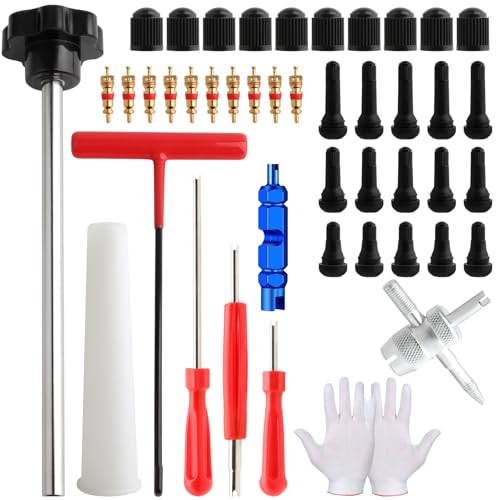
45 PCS Valve Stem Core Removal Replacement Tool Kit, Tire Valve Stem Removal Tool and TR412, TR413, TR414 Tire Snap in Short Rubber Valve Stem, 4 Way Valve Core Remover
- Durable Material: Made of sturdy metal and zinc alloy
- Easy to Use: Quickly remove or install tire valves
- Portable Design: Compact and easy to carry
As an affiliate, we earn on qualifying purchases.
As an affiliate, we earn on qualifying purchases.
Baby shower & registry season Picks
baby registry must-haves
As an affiliate, we earn on qualifying purchases.