
TL;DR

Get business pricing on garage and car supplies
- Business-only prices and quantity discounts
- Tax-exempt purchasing
- Multiple users, one account, clear invoices
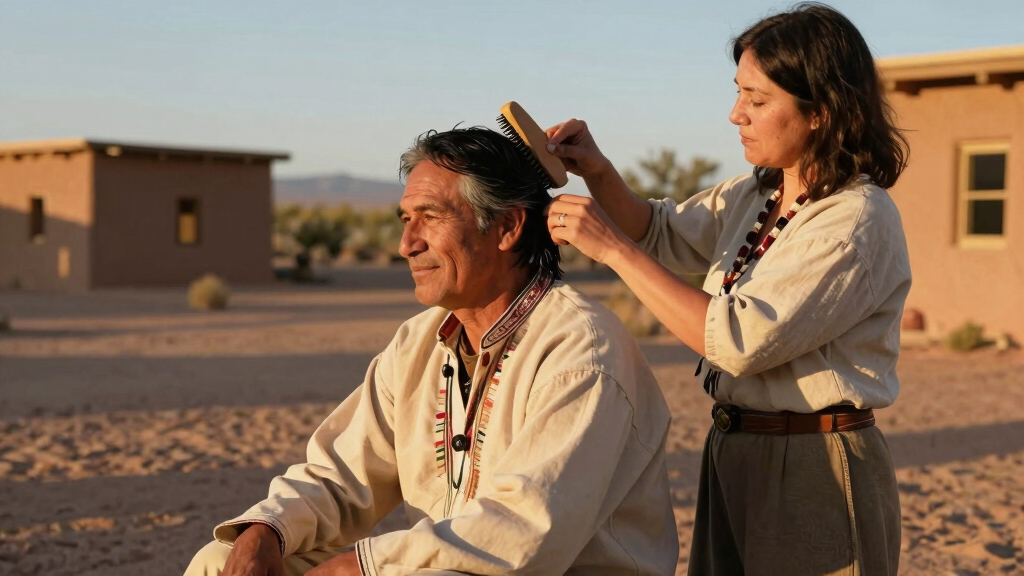
A black-and-white photo from 1948 depicts a Navajo man having his hair brushed by his wife. The image offers a rare glimpse into daily life and gender roles within the Navajo community at that time. Its significance lies in documenting cultural practices from mid-20th century Arizona.
A 1948 black-and-white photograph shows a Navajo woman brushing her husband’s hair, offering a rare visual record of daily life within the Navajo Nation in mid-20th century Arizona. The image highlights cultural practices and gender roles of the period, drawing renewed interest in historical Navajo life.
The photograph, credited to Leonard McCombe, depicts a man seated as his wife gently brushes his hair. Taken in 1948 within the Navajo Nation in Arizona, the image provides a personal glimpse into domestic life during that era. It is part of a collection capturing everyday moments, emphasizing the importance of family and tradition in Navajo culture. The photo is notable for its candid portrayal, contrasting with more formal or staged images often associated with the period.
Why It Matters
This image matters because it offers a rare, intimate look at daily life and gender dynamics within the Navajo community during the late 1940s. Such photographs help preserve cultural history and challenge stereotypes by illustrating the normalcy and warmth of everyday relationships. It also provides contemporary audiences with insight into the continuity and change of Navajo traditions over time.
Native American hair brushing brush
As an affiliate, we earn on qualifying purchases.
As an affiliate, we earn on qualifying purchases.
Background
The photograph was taken during a period when Navajo communities were experiencing significant social and economic changes, including increased contact with outside influences and government programs. Leonard McCombe, a notable photographer, documented various aspects of American life during the mid-20th century, including Native American communities. This image is part of a broader collection that aims to portray authentic moments of daily life, contrasting with often romanticized or stereotyped representations of Indigenous peoples.
“This photograph captures a simple, genuine moment of family life, reflecting the warmth and intimacy of Navajo relationships in the 1940s.”
— Leonard McCombe (photographer)
Navajo traditional hair care products
As an affiliate, we earn on qualifying purchases.
As an affiliate, we earn on qualifying purchases.
What Remains Unclear
It is not yet clear how representative this moment was of broader Navajo family life at the time, or how such domestic scenes were viewed within the community. Details about the individuals in the photo and their personal stories remain unknown, and there is limited contextual information about the specific circumstances surrounding the image.
historical Navajo cultural photographs
As an affiliate, we earn on qualifying purchases.
As an affiliate, we earn on qualifying purchases.
What’s Next
Researchers and historians may seek to analyze similar photographs or records to better understand daily life in the Navajo Nation during the 1940s. Further exploration could include oral histories or additional archival materials. There is also potential for public exhibits or educational projects to highlight this period of Navajo history.
Native American family photo frames
As an affiliate, we earn on qualifying purchases.
As an affiliate, we earn on qualifying purchases.
Key Questions
Who took the photograph and what is its significance?
The photo was taken by Leonard McCombe in 1948. It is significant because it offers a candid, personal view of Navajo domestic life, which is rare in historical imagery.
What does this photograph reveal about Navajo culture?
It reveals aspects of daily life, gender roles, and family relationships within the Navajo community during the late 1940s, emphasizing warmth and intimacy.
Are the individuals in the photograph identified?
No, the identities of the man and woman are not publicly known, and specific details about their lives remain undocumented.
Why is this photograph being highlighted now?
The image has gained renewed interest as part of efforts to document and preserve Native American history and culture, especially through visual records from the mid-20th century.
Fall Picks
fall essentials
As an affiliate, we earn on qualifying purchases.