
TL;DR

Get business pricing on garage and car supplies
- Business-only prices and quantity discounts
- Tax-exempt purchasing
- Multiple users, one account, clear invoices
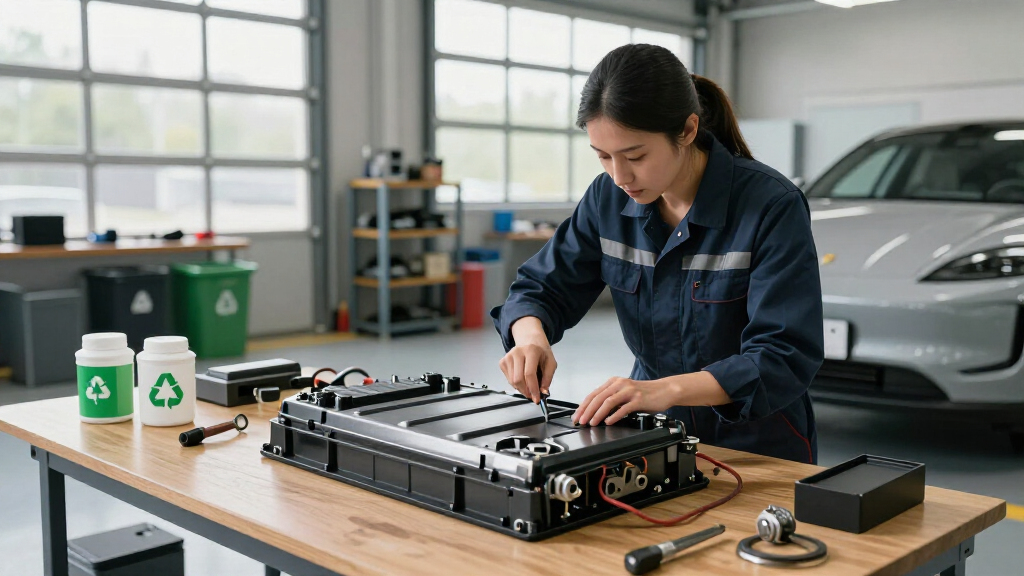
Porsche is actively developing battery technology that utilizes recycled materials from its own operations. This initiative aims to reduce environmental impact and increase sustainability in EV production. Details are still emerging, and the project is in the development phase.
Porsche is developing electric vehicle batteries that incorporate recycled materials sourced from its own operations, aiming to improve sustainability and reduce reliance on raw material extraction. This effort is part of the automaker’s broader push toward environmentally friendly manufacturing, though specific technical details and timelines remain undisclosed.
According to industry sources, Porsche is actively working on a new battery technology that integrates recycled materials generated during its manufacturing processes. The initiative aims to create a closed-loop system, reducing the environmental footprint associated with traditional battery production, which relies heavily on raw materials like lithium, cobalt, and nickel.
While Porsche has not publicly confirmed the full scope or timeline of the project, insiders suggest that the company is collaborating with suppliers and research institutions to develop viable recycling techniques capable of producing high-quality battery components from waste materials. This development aligns with broader industry trends toward sustainable sourcing and circular economy principles.
It is not yet clear whether Porsche’s recycled-material batteries will be used across its entire EV lineup or initially introduced in specific models. The company’s focus appears to be on creating a scalable, cost-effective solution that can meet automotive safety and performance standards.
Potential Impact on EV Sustainability Goals
This development could significantly advance Porsche’s sustainability commitments by reducing dependency on mined raw materials, which are associated with environmental degradation and geopolitical risks. If successful, the project might set a new industry standard for eco-friendly battery manufacturing, encouraging other automakers to adopt similar recycling strategies.
Moreover, integrating recycled materials could help Porsche and the wider automotive sector meet increasingly strict emissions and environmental regulations, especially as governments push for greener supply chains. It also aligns with consumer demand for more environmentally responsible products, potentially boosting brand reputation and market competitiveness.
Products Worth Considering

NOCO Boost GBX75 2500A UltraSafe Jump Starter, 12V Lithium Battery Booster

NOCO Boost GB150 3000A UltraSafe Jump Starter, 12V Lithium Battery Booster

Innova 5610 OBD2 Bidirectional Scan Tool
As an affiliate, we earn on qualifying purchases.
Industry Trends Toward Recycling and Circular Economy
Interest in sustainable battery production has surged in recent years, driven by the global push to decarbonize transportation and reduce the environmental impact of EVs. Major automakers and battery manufacturers are investing heavily in recycling technologies and closed-loop systems.
Porsche’s move reflects broader industry efforts to develop batteries that incorporate recycled components, aiming to mitigate supply chain vulnerabilities for critical materials like lithium and cobalt. While many companies have announced initiatives or pilot projects, few have reached the stage of integrating recycled materials into commercial EV batteries at scale.
Search interest and media coverage on sustainable battery solutions have spiked recently, possibly triggered by industry reports, policy discussions, or investor focus on environmental, social, and governance (ESG) factors. However, specific details about Porsche’s project remain unconfirmed, and it is unclear how soon such batteries might reach production.
Unconfirmed Details and Development Timeline
It is not yet clear when Porsche’s recycled-material batteries will be ready for commercial deployment, or whether the technology will meet all safety and performance standards required for automotive use. The scope of the project, including potential model rollout and scale, remains undisclosed. Industry experts caution that the transition from pilot to mass production involves technical challenges and regulatory hurdles that are still being addressed.
Next Steps in Porsche’s Sustainable Battery Development
Porsche is expected to continue research and development efforts, potentially announcing pilot programs or partnership updates in the coming months. Monitoring industry reports and company statements will be key to understanding the project’s progress and timeline. If successful, the company might introduce prototype batteries for testing in select models within the next few years, with broader deployment depending on technological and regulatory approvals.
Key Questions
Will Porsche’s recycled-material batteries be more affordable?
It is too early to determine cost implications. Recycled materials could reduce raw material costs, but technical development and scaling may influence final pricing.
Could this technology be adopted by other automakers?
Yes, if Porsche’s approach proves successful and scalable, it could inspire other manufacturers to pursue similar recycling strategies.
What materials will be recycled for the batteries?
Specific materials have not been disclosed, but likely candidates include lithium, cobalt, and nickel recovered from manufacturing waste or end-of-life batteries.
Is this part of Porsche’s broader sustainability goals?
Yes, developing recycled batteries aligns with Porsche’s commitment to reducing environmental impact and advancing sustainable mobility.
When might consumers see these batteries in cars?
A timeline has not been announced; industry estimates suggest several years before recycled-material batteries could reach mass-market vehicles.
Source: rss