
TL;DR

Get business pricing on garage and car supplies
- Business-only prices and quantity discounts
- Tax-exempt purchasing
- Multiple users, one account, clear invoices
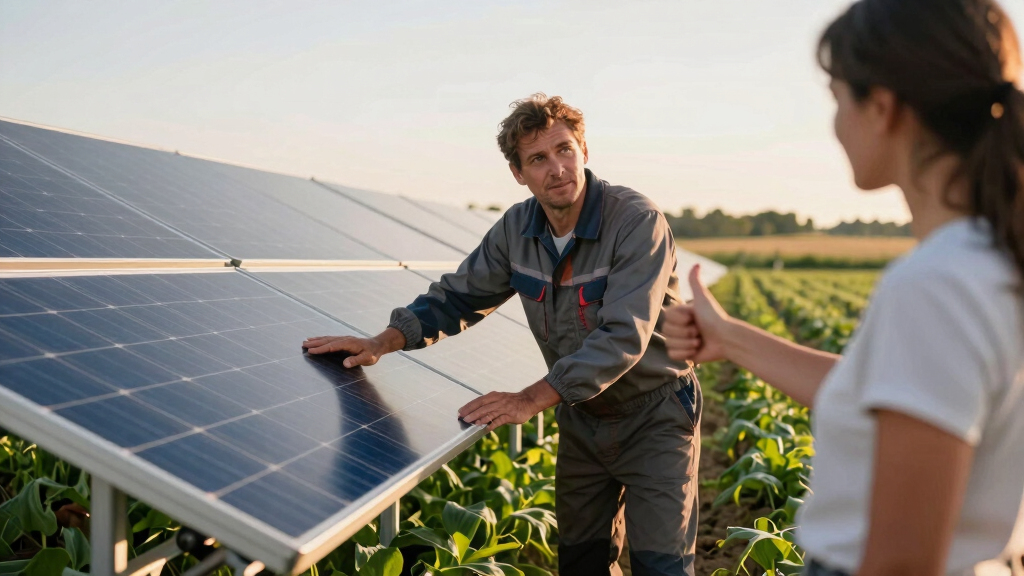
Virginia has enacted legislation (SB 340/HB 508) to support agrivoltaic projects, allowing farmers to co-locate solar panels with crops. This aims to help struggling farmers maintain land use and generate income while advancing renewable energy.
Virginia has officially passed legislation (SB 340/HB 508) that provides a clear legal framework for agrivoltaic projects, enabling farmers to co-locate solar panels with agricultural activities. This move aims to address land conservation concerns and support struggling farmers by offering a stable income source through renewable energy investments.
The new legislation defines agrivoltaics as the intentional co-location of agricultural production and solar energy generation on the same land, emphasizing that projects must complement existing farm operations and prioritize agricultural activities over the lifespan of the solar array, typically 25-30 years.
Supported by the Piedmont Environmental Council (PEC) and the Virginia Farm Bureau, the bill received bipartisan approval and aims to prevent land loss to real estate development, while enabling farmers to adapt to changing markets and maintain land in production.
Virginia Governor Spanberger signed the bill, highlighting the importance of protecting farmland and supporting farmers through clear, enforceable definitions and flexible project design, fostering a sustainable balance between energy and agriculture.
Legislative Support for Sustainable Farming and Energy
This legislation represents a strategic effort to help farmers stay in business amid economic pressures, land loss, and the push for renewable energy. By establishing a legal framework for agrivoltaics, Virginia aims to promote land conservation, diversify farm income, and accelerate clean energy deployment, setting a precedent for other states.
As an affiliate, we earn on qualifying purchases.
Virginia’s Growing Interest in Agrivoltaic Solutions
Virginia’s support for agrivoltaics builds on prior efforts by the Piedmont Environmental Council (PEC), which established the state’s first crop-based agrivoltaic system at Roundabout Meadows. While most US agrivoltaic activity has involved grazing sheep, Virginia is now moving toward integrating edible crops with solar energy, addressing land conservation and farm viability concerns.
The legislation follows a series of energy bills supported by PEC, reflecting a broader statewide push for distributed generation and renewable energy solutions that align with agricultural interests. Previous efforts faced opposition from some agricultural officials, but recent bipartisan support indicates shifting attitudes toward sustainable land use.
“By establishing clear enforceable definitions of agrivoltaics and code of Virginia, we are protecting farmers and ensuring land remains in production for the life of the solar array.”
— Virginia Governor Spanberger
As an affiliate, we earn on qualifying purchases.
Unanswered Questions About Implementation and Impact
It remains unclear how quickly and widely these new laws will be adopted by farmers and developers, and whether they will effectively prevent land loss or land-use conflicts. Details on specific project requirements, enforcement mechanisms, and how the projects will be monitored are still emerging.
solar-powered irrigation systems
As an affiliate, we earn on qualifying purchases.
As an affiliate, we earn on qualifying purchases.
Next Steps for Agrivoltaic Adoption in Virginia
Farmers and developers are expected to begin designing and proposing projects under the new legal framework. Virginia agencies will likely issue guidelines and application procedures in the coming months. Monitoring and evaluating the impact of early projects will inform future policy adjustments and broader adoption strategies.
agrivoltaic crop protection covers
As an affiliate, we earn on qualifying purchases.
As an affiliate, we earn on qualifying purchases.
Key Questions
What exactly does the new Virginia legislation define as agrivoltaics?
The legislation defines agrivoltaics as the intentional co-location of agricultural production and solar energy generation on the same land, emphasizing that projects must support existing farm businesses and prioritize agricultural activities over the lifespan of the solar array.
How will this legislation help struggling farmers?
It provides a legal and regulatory framework that encourages the development of agrivoltaic projects, offering farmers a stable income stream from solar energy while maintaining land in agricultural use, helping them stay in business amid economic pressures.
Are there any restrictions or requirements for agrivoltaic projects under the new law?
Yes, projects must complement existing farm operations, prioritize agricultural activities, and be designed with flexibility to adapt to market changes. They must also be supported by enforceable definitions and standards established by the law.
When can farmers start applying for agrivoltaic project approval?
Guidelines and application procedures are expected to be issued by Virginia agencies in the near future, with early projects likely to begin as soon as the regulatory framework is fully operational.
Will this legislation prevent land from being sold for development?
The law aims to promote land conservation by encouraging dual-use projects, but whether it will fully prevent land sales to developers depends on implementation and market factors moving forward.
Source: CleanTechnica
Fall Picks
fall essentials
As an affiliate, we earn on qualifying purchases.