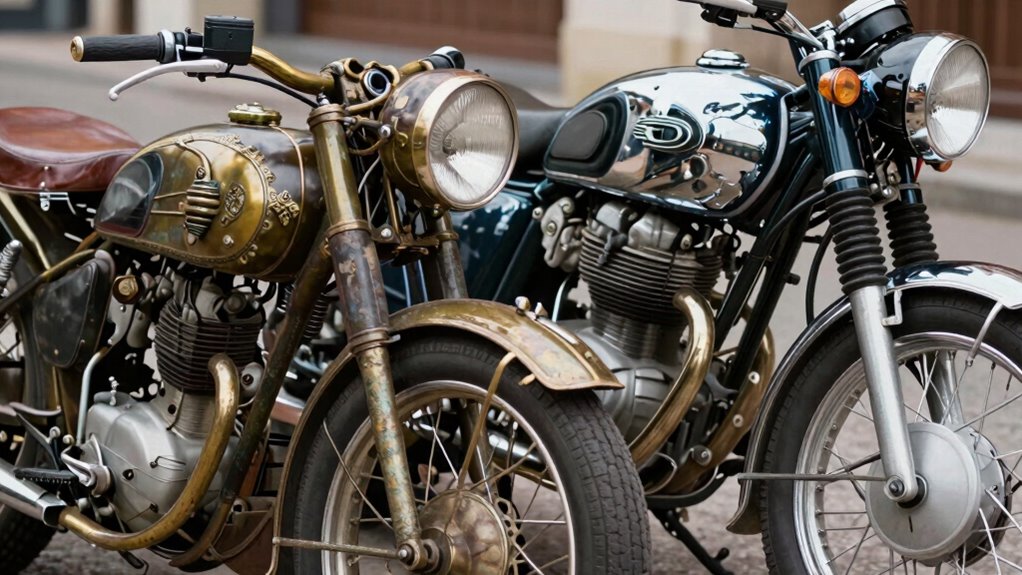

Understanding how the law defines your bike depends on its age and classification standards in your state. Typically, antique bikes are 25 to 45 years old, while classics are usually 20 to 40 years old, with specific age thresholds varying by region. These classifications affect registration, usage rights, and restrictions. If your bike’s age and condition meet these standards, it may qualify as an antique or classic. To learn more about how classifications impact you, keep exploring the details below.
Open a free Amazon Business account
Business pricing, bulk buying and tax-exempt orders.
As an affiliate, we earn on qualifying purchases.
Key Takeaways
- Antique bikes are typically defined as 25-45 years old, with specific thresholds varying by region (e.g., 45 years in Arkansas).
- Classic bikes are generally 20-40 years old, with classifications depending on manufacture date rather than restoration age.
- Legal definitions affect registration, insurance, licensing benefits, and eligibility for special plates or exemptions.
- Usage restrictions often limit antique and classic bikes to club events, exhibitions, or parades, not daily transportation.
- Certification and standards established by organizations like AMCA help verify age, originality, and qualify bikes under legal classifications.
antique motorcycle registration plate
As an affiliate, we earn on qualifying purchases.
As an affiliate, we earn on qualifying purchases.
Defining Antique and Classic Vehicles Across States
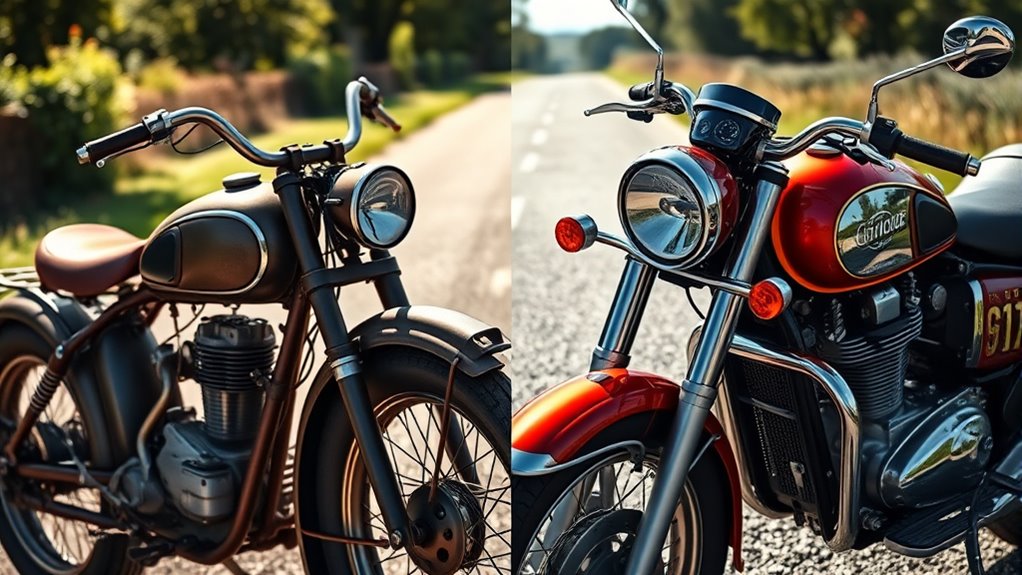
Understanding how states define antique and classic vehicles is essential because regulations vary widely across the country. Generally, antique vehicles are those that are 25 to 45 years old, with states like Arkansas requiring 45 years and Alabama 30 years. Classic vehicles tend to fall between 20 and 40 years, with some states like Maryland setting the minimum at 20 years and others like West Virginia at 25. Some states use interchangeable terms or add categories like vintage or historic. California classifies collector cars as at least 25 years old with historical plates or 35 years without. The Antique Automobile Club of America (AACA) uses a broad 25+ year standard, emphasizing originality and restoration, and the importance of proper classification cannot be overstated. These definitions impact registration, usage, and legal status for owners across different jurisdictions. Proper classification is essential for ensuring compliance with local laws and taking advantage of specialized registration options.
As an affiliate, we earn on qualifying purchases.
Legal Age Requirements for Antique Motorcycles and Bicycles
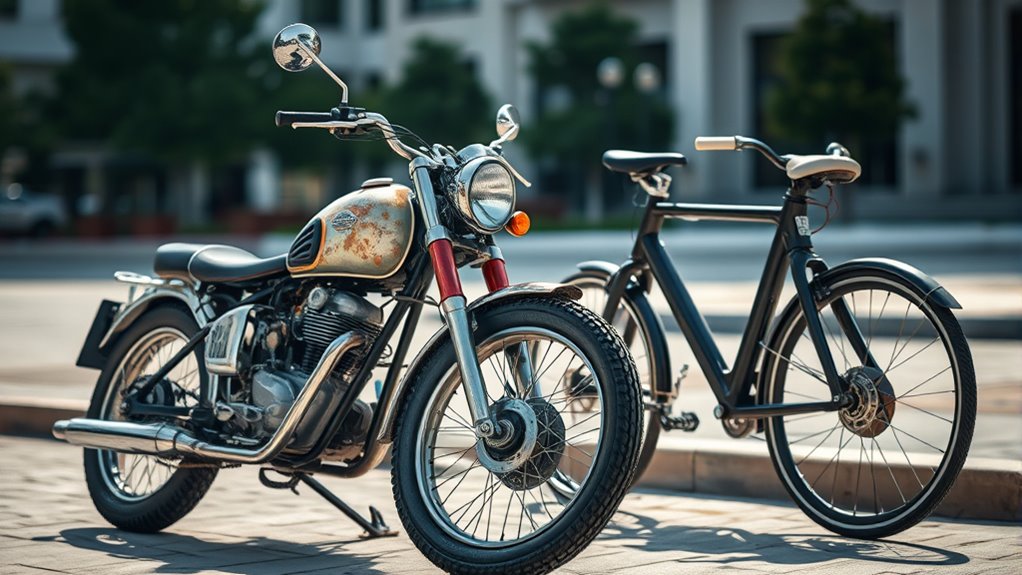
Have you ever wondered what the minimum age is to legally operate antique motorcycles and bicycles? In many states, you need to be at least 16 years old to ride motorized bicycles or Class 3 eBikes that are faster or more powerful. Utah allows 14- and 15-year-olds to ride Class 3 eBikes under supervision. Massachusetts prohibits anyone under 16 from operating motorized bicycles and requires a driver’s license or learner’s permit. Helmet laws usually apply to riders under 16, with states like Maryland and Maine mandating helmet use for young riders. Age restrictions for traditional pedal bicycles are generally absent, but motorized or electric bikes often have specific age and safety requirements. Always check your state’s laws to ensure compliance. European cloud innovation is increasingly supporting sustainable and secure cloud solutions for diverse industries.
As an affiliate, we earn on qualifying purchases.
How States Differ in Classifying Vintage and Heritage Bikes
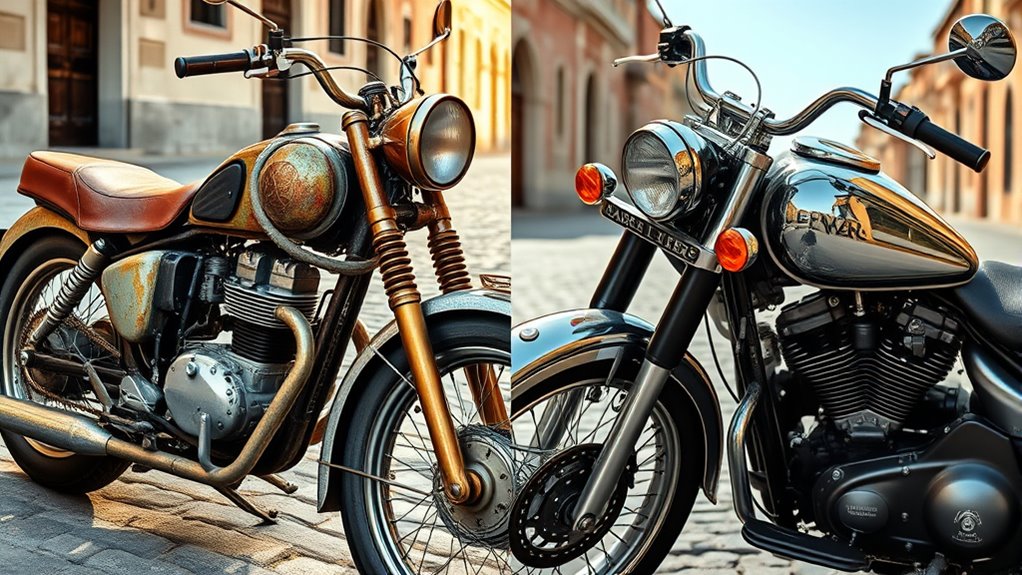
States vary markedly in how they classify vintage and heritage bikes, often using different age thresholds to define these categories. Some states label bikes as antique once they’re 35+ years old, while others set the cutoff at 20-30 years for classic bikes. Terminology like “heritage,” “vintage,” and “classic” may have specific definitions in state codes or local ordinances. Many states consider the bike’s original manufacturing date, not its restoration date, for classification. These distinctions impact registration, insurance, and licensing benefits. Additionally, some states adopt a three-class system for e-bikes, influencing how electric vintage-style bikes are regulated. Local municipalities may also create their own rules, resulting in diverse classification standards within a single state. Bicycle classifications can also affect state funding and maintenance priorities. Understanding these differences keeps you compliant and informed about your bike’s legal status, including classification standards that vary across jurisdictions.
As an affiliate, we earn on qualifying purchases.
Restrictions and Usage Limitations for Antique Vehicles

You’re usually limited to using antique vehicles for club events, parades, or occasional drives, not daily transportation. Many states restrict their use to conserve their original condition and prevent wear. Understanding these restrictions and registration rules helps ensure you stay compliant and protect your vintage vehicle. Proper registration and insurance are essential to legally operate your antique bike within the permitted usage limits.
Limited Usage Scope
Limited usage is a key aspect of antique vehicle registration, designed to preserve their historical value while restricting everyday use. You’ll find that most states require vehicles to be at least 25 to 30 years old for special registration. Typically, you can only use your antique for exhibitions, parades, club activities, and occasional events, not for daily driving or errands. Some states, like Virginia, allow limited pleasure driving within a certain radius—often around 250 miles—but this isn’t universal. You can’t routinely commute or use the vehicle for work. Maintaining the vehicle’s original or near-original condition is usually mandatory for eligibility. Using your antique outside permitted events may result in fines or losing your registration benefits, emphasizing the restricted scope of usage. Most regions specify that the vehicle must be maintained in a historically accurate condition, further limiting modifications or repairs that could alter its original appearance.
Specific Event Restrictions
Specific event restrictions for antique vehicles limit when and where you can operate them, ensuring they’re used primarily for preservation and public展示. You can typically drive your vehicle during recognized events like parades, tours, and exhibitions. Outside these occasions, operating your antique vehicle may be considered misuse, risking penalties. Many states require special permits or affidavits to confirm your use is event-based. Some jurisdictions restrict operation to specific times or conditions, especially at night. Compliance with auditory processing guidelines and regulations can also influence the permissible use of antique vehicles in certain contexts.
Registration and Inspection Rules
Registering an antique vehicle involves a straightforward process, but it comes with specific rules designed to safeguard its character and guarantee proper use. You’ll need to submit a special application form, prove ownership with documents like a title or bill of sale, and pay a nominal fee—sometimes as low as $10. Some areas issue permanent or distinctive plates for vintage vehicles. You might also need a safety inspection or emissions test, but many jurisdictions exempt antique cars from regular checks, focusing instead on basic safety. Usage restrictions usually limit you to parades, shows, or pleasure drives within a small radius, often prohibiting daily commuting. Violating these rules can lead to fines, registration forfeiture, or suspension, so adhere strictly to your local laws to maintain your antique vehicle’s status. Additionally, vehicles that qualify as vintage often have specific licensing requirements, including the proper display of plates and adherence to restrictions on how and where they can be driven.
The Role of Collector Value and Condition in Classification
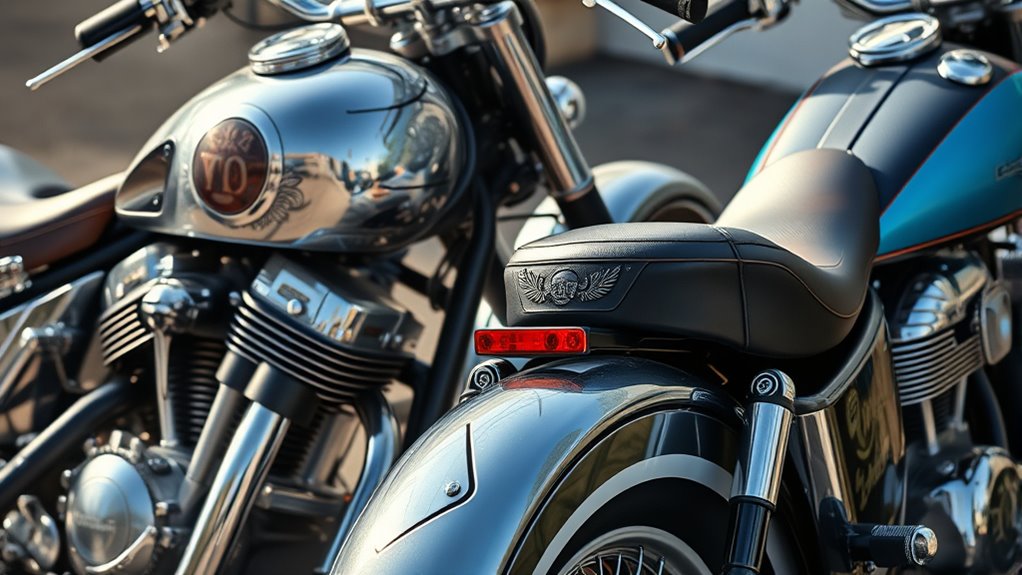
Collector value and condition are crucial factors that influence how motorcycles are classified as antique or classic. For classic bikes, a collector value usually exceeds a set amount—like $5,000—based on make, model, and condition. Antique status, however, focuses more on age and originality, with less emphasis on value. The vehicle’s condition must reflect its original state, often requiring period-correct parts and authenticity. For example, bikes used in parades or shows must be well-preserved. Here’s a quick comparison:
| Factor | Antique | Classic | Both |
|---|---|---|---|
| Age | 35+ or 40+ years | 16–25 years (sometimes 25+) | Age influences classification |
| Collector Value | Less emphasized | Must exceed a specific threshold | Affects registration benefits |
| Condition | Originality prioritized | Good/original condition | Critical for eligibility |
| Usage Restrictions | Limited to shows/parades | Similar usage restrictions | Based on classification |
| Modifications | Usually prohibited | May be restricted | Impact classification |
Additionally, the originality of a bike significantly impacts its classification, as authorities often assess how closely it matches the original factory specifications.
Impact of Modifications and Customizations on Vehicle Status

Modifications and customizations can substantially influence a vehicle’s classification as antique or classic. If you alter your bike considerably from its original factory specs, it might no longer qualify for antique or classic status. This affects eligibility for special registration plates, insurance, and legal use on public roads. Proper documentation of modifications can sometimes help preserve your vehicle’s status. Consider these factors: 1. Deep modifications that deviate from original parts may disqualify your bike from antique or classic categories. 2. Some states allow customized or restored classics with non-original parts if they meet age criteria, but inspections are often required. 3. Extensive modifications affecting safety or emissions can lead to restrictions or loss of classification, impacting your vehicle’s value and usability.
Registration Procedures for Antique and Classic Bikes
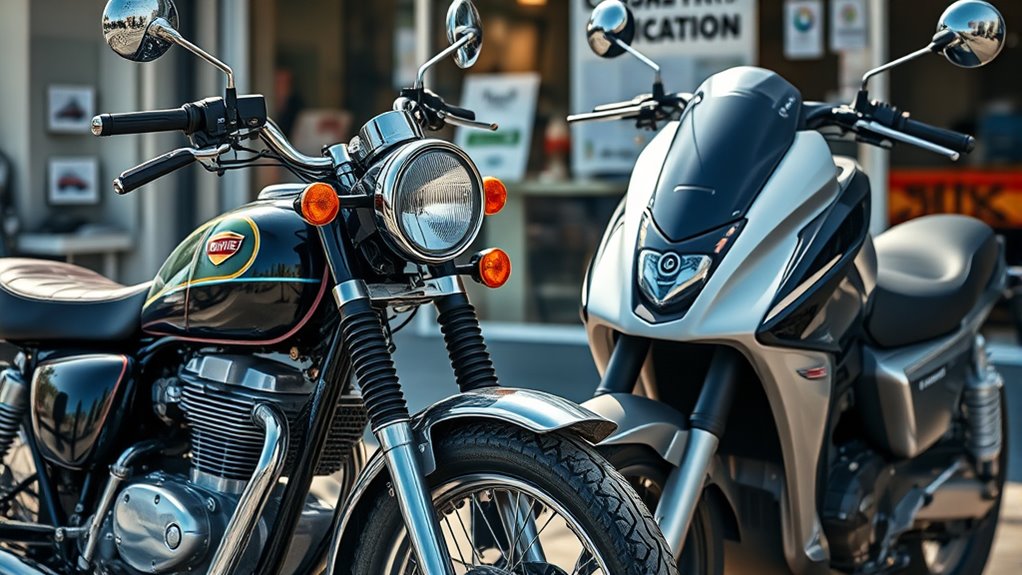
To qualify for antique or classic motorcycle registration, you must meet specific eligibility criteria and provide necessary documentation to the DMV. For antiques, your bike should be manufactured in 1942 or earlier, while classics are generally 25 years or older. You’ll need proof of ownership, such as a certificate of title or bill of sale, along with valid insurance and identification. Complete the appropriate forms, like REG 17 or REG 102, depending on your registration type. The DMV will verify your motorcycle’s manufacture date and eligibility before issuing antique plates. Registration fees typically range from $100 to $300, based on vehicle value and location. For classic bikes, optional specialty or historic plates may add costs. Remember, most motorcycles don’t require smog checks, but safety inspections might be necessary for modified models. Additionally, understanding the differentiation between antique and classic bikes can help ensure you meet all legal requirements.
Regional Variations and Challenges in Vehicle Classification

Regional laws and standards considerably influence how antique and classic motorcycles are classified and registered across different areas. You’ll find that age definitions vary: Rhode Island considers bikes over 25 years old, Puerto Rico sets the bar at 40 years, and the UK categorizes by manufacture date. These differences affect registration, usage, and restrictions. For example:
- Some regions limit antique bikes to exhibitions or parades, restricting daily use.
- Inspection and documentation requirements differ, with strict rules in California and looser standards elsewhere.
- Climate and terrain impact classification and value, as dry or off-road regions preserve bikes differently, influencing their legal status and market worth.
- Vetted – Coffee Lovers 101 emphasizes that understanding regional nuances helps you navigate local laws and avoid legal issues.
The Significance of Official Definitions by Motorcycle and Bicycle Clubs
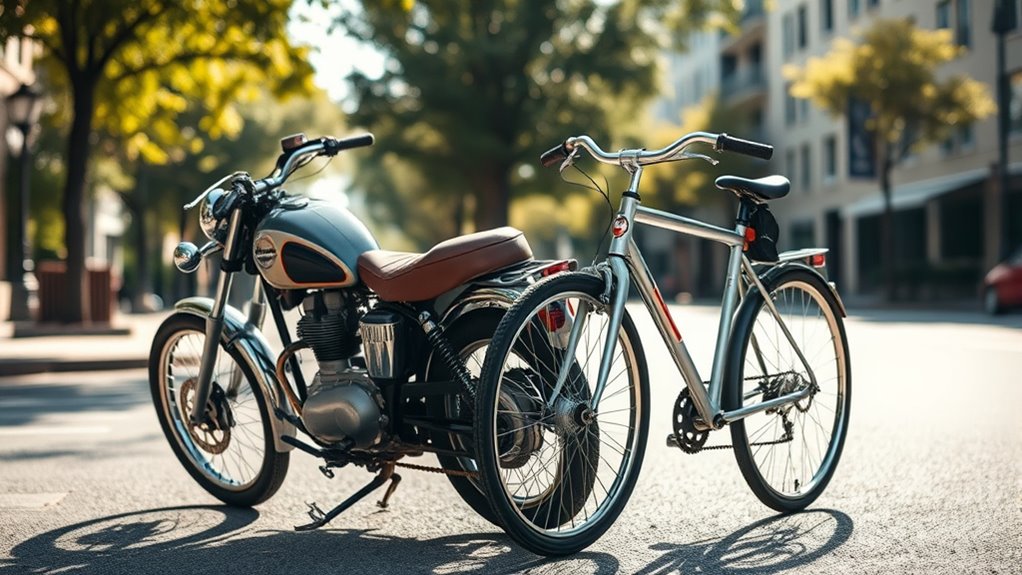
You should understand that motorcycle clubs set specific criteria to classify bikes as antique, vintage, or classic, which impacts registration and insurance. These standards help determine whether your bike qualifies for historic plates or special recognition. Recognizing club certifications guarantees your motorcycle’s status aligns with official definitions, influencing how it’s preserved and celebrated. Official classifications often serve as the definitive guide for legal and registration purposes, ensuring consistency across regions and clubs. Additionally, understanding yarn yardage and the importance of precise measurements can assist in restoring or customizing vintage bikes with authentic accessories.
Club Criteria Standards
Official definitions established by motorcycle and bicycle clubs play a vital role in maintaining consistency and authenticity within the vintage and antique communities. These standards influence how bikes are classified, used, and showcased at events. 1. Clubs like the AMCA specify that motorcycles 35 years or older qualify as antique, ensuring a clear age threshold. 2. Membership requirements often mandate meeting these classification standards for participation in rallies, shows, and races, emphasizing preservation and authenticity. 3. Technical standards, such as design heritage and period-specific features, help distinguish true vintage or antique bikes from modern recreations, ensuring historical integrity remains intact. Adherence to these standards helps prevent misclassification and preserves the integrity of the community. These criteria create a shared understanding, helping enthusiasts, collectors, and insurers recognize and uphold the significance of different bike classes. Additionally, consistent application of official standards ensures fair evaluation and recognition in competitions and appraisals.
Certification and Recognition
Certification and recognition from motorcycle clubs play a pivotal role in validating a bike’s classification and authenticity. These organizations, like the AMCA, provide official definitions—such as 35 years or older for an antique—that are recognized nationwide. Their judging processes assess original factory condition, awarding levels from Junior to Marque Excellence. Certification helps with legal registration, insurance, and resale, often required for historic vehicle status. Clubs maintain records that verify a bike’s age and originality, boosting credibility and value. Here’s a snapshot of how different organizations and criteria align:
| Organization | Definition / Criteria |
|---|---|
| AMCA | Antique: 35+ years old |
| VCCATA.org.au | Veteran, Vintage, Classic, Modern |
| State DMV | Varies: 20-25+ years for historic |
| Judging Categories | Restored vs. Unrestored |
| Certification Benefits | Legality, valuation, event eligibility |
Additionally, these certifications often include detailed inspections of original parts, ensuring the bike’s authenticity and helping owners preserve its historical integrity.
Frequently Asked Questions
Can a Bike Be Both Antique and Classic in Different States?
Yes, your bike can be both antique and classic in different states. Each state has its own age thresholds and classification rules, so a bike might qualify as antique in one state if it’s over 35 years old, but only as a classic in another if it falls between 16 and 26 years. Moving or registering your bike across states can change its classification depending on local laws and criteria.
How Do Modifications Affect My Vehicle’s Antique or Classic Status?
Think of your vehicle as a precious artifact. When you modify it, you’re like a curator altering the original masterpiece. These changes can jeopardize your antique or classic status, especially if they aren’t approved or restore it to its original state. In some states, modifications like engine swaps or suspension changes might disqualify your vehicle, affecting registration and insurance. Keep it authentic to preserve its timeless value and legal standing.
Are There Specific Insurance Requirements for Antique or Classic Bikes?
You need to meet specific insurance requirements for your antique or classic bike. Most states require liability coverage at minimum, which your insurer must provide. Additionally, specialized policies often include agreed value, extensive, and collision coverage tailored for vintage bikes. To stay legal and protect your investment, guarantee your bike is insured according to your state’s laws and your insurer’s criteria, considering usage restrictions and secure storage.
Can I Register a Vintage Bicycle as an Antique Motorcycle?
You can’t register a vintage bicycle as an antique motorcycle because bicycles lack engines, making them ineligible for motorcycle registration. Antique motorcycle status applies only to motorized vehicles built a certain number of years ago, intended for public interest use. Attempting to register a bicycle as a motorcycle could lead to legal issues, penalties, or invalid registration. Keep in mind, bicycles are typically not classified under motor vehicle regulations.
What Are the Penalties for Using an Unregistered Antique Vehicle on Public Roads?
If you use an unregistered antique vehicle on public roads, you risk hefty fines—some states impose hundreds of dollars per violation. In addition, your vehicle could be impounded, and your driving privileges suspended or revoked. Law enforcement takes this seriously, especially since only 20% of states allow unregistered antique vehicles on roads. Staying compliant with registration rules helps you avoid costly penalties and legal trouble.
Conclusion
Understanding how the law defines your bike is like steering through a maze—complex but essential. By knowing the differences between antique and classic vehicles, you can steer clear of legal pitfalls and enjoy your ride with confidence. Always stay updated on regional rules and official classifications, because a well-informed rider is like a ship with a steady compass. Keep your vintage pride alive, and let the law be your trusted guide on every journey.
Labor Day sales Picks
labor day deals
As an affiliate, we earn on qualifying purchases.