
TL;DR

Get business pricing on garage and car supplies
- Business-only prices and quantity discounts
- Tax-exempt purchasing
- Multiple users, one account, clear invoices
Cycling Weekly has published practical advice for cyclists considering helmet or bike cameras to report suspected driving offences to police. The report says footage requirements differ by force and advises riders to capture the incident and registration number, keep original files, and follow police guidance before sharing video publicly. The article presents enforcement and deterrence as potential safety benefits, not a guarantee that any individual report will lead to prosecution.
Cycling Weekly has published advice for cyclists using helmet or bike cameras to report suspected driving offences, focusing on how to capture footage and submit it through police systems. The report says requirements vary between forces and describes examples of footage criteria set by West Midlands and Dorset police.
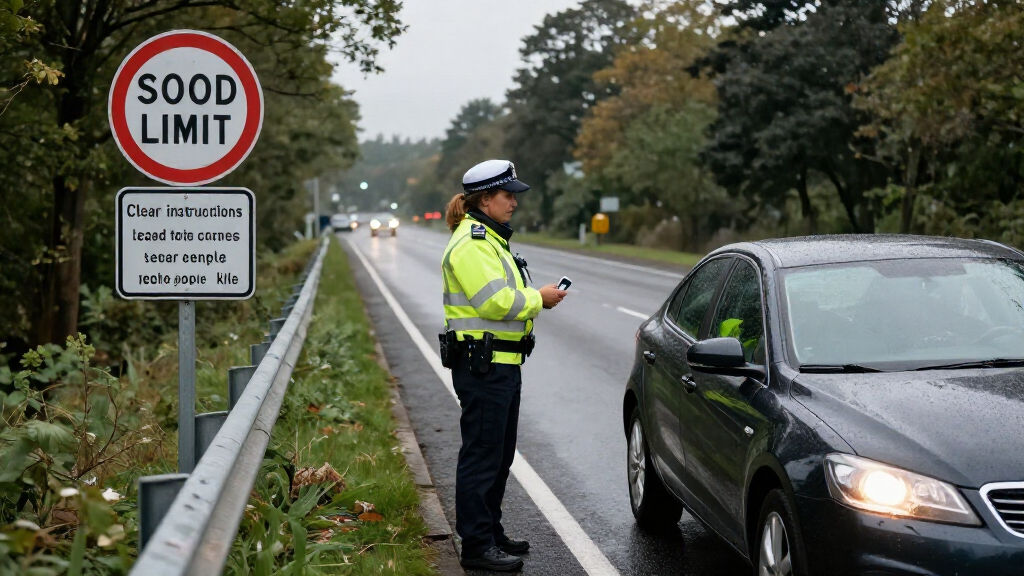
The article describes Operation Snap, a UK police initiative through which members of the public can submit footage of alleged driving offences. Each police force sets its own reporting process. The source says West Midlands Police publishes monthly information about submissions and resulting action, while Dorset Police sets distinct requirements on its website.
For a useful report, West Midlands Police advises capturing the incident and an identifiable vehicle registration number, with the full incident and, where possible, a minute before and after it. Its cited guidance says footage should not exceed 10 minutes. The article also reports that Dorset Police asks for at least two minutes of unedited footage both before and after the incident for a report to have a chance of prosecution. These are examples from two forces, not a single UK-wide standard.
Camera setup can affect what a rider records. Danny Brothwell, chair of Bike Worcester, recommends image quality that works in the conditions, adequate battery life and controls that are easy to use while riding. He describes using an incident-saving button that stores 10 seconds before and after activation, but the article notes that such a short clip would not meet Dorset Police’s cited requirement. It advises riders to check local rules before relying on a camera’s short-clip function.
How Footage Can Support Enforcement
The report says public-submitted video can help police assess alleged offences such as close passing and mobile-phone use while driving. Tom Bogdanowicz, senior policy officer at the London Cycling Campaign, says his organisation supports camera reporting and considers it a potential deterrent to those behaviours. The supplied source does not establish how much camera submissions reduce offences or road deaths nationally.
For riders, footage must show what happened clearly, identify the vehicle where possible and meet the relevant force’s submission rules. Police may use submitted footage to assess alleged offences, but an upload does not itself establish an offence or guarantee police action, prosecution or a conviction.
Following instructions about keeping footage private while a case is active may also matter. The report says Dorset and West Midlands police guidance warns against posting submitted video on social media before or during police or court action. The article presents this as a way to avoid potentially affecting proceedings, rather than claiming that every public post would invalidate a case.
Products Worth Considering

VIOFO A229 Pro 4K HDR Front and Rear Dash Cam

Vantrue N2X 2.7K Dual Dash Cam (Front and Inside)

VIOFO A229 Pro 3-Channel 4K Dash Cam with STARVIS 2 Sensors
As an affiliate, we earn on qualifying purchases.
Different Forces, Different Requirements
The article grew out of its author’s account of a brother-in-law being seriously injured after being knocked off a bicycle. The writer says the incident prompted them to get a helmet camera and begin reporting incidents. That personal account explains the motivation for the guide; it does not establish a broader trend in cycling injuries.
The report draws on comments from police, campaigners and people who regularly submit footage. It names Cycling Mikey, whose real name is Mike van Erp, as a prominent example of a cyclist who reports incidents. In a 2022 interview with The Guardian, van Erp said he wanted to use his efforts to change road safety, according to the article.
Brothwell says he has made about 800 submissions to Operation Snap and that Bike Worcester received funding from the West Mercia Police and Crime Commissioner to buy 16 cameras for cyclists. He also says court appearances in three cases occurred about 12 months after the events. These are his reported experiences, not a stated average for police cases or a forecast of how long other submissions will take.
“We strongly support camera reporting, which helps deter close passing by drivers, phone use while driving and other offences.”
— Tom Bogdanowicz, senior policy officer at the London Cycling Campaign
What Camera Reports Can Establish
The supplied article does not give national totals for Operation Snap submissions, prosecutions or convictions, nor does it quantify any change in collisions or deaths linked to the scheme. The scale of any safety effect remains unclear from this material. Bogdanowicz’s claim that better enforcement means fewer people killed or injured is attributed to him and should not be read as a measured result presented in the report.
Police criteria differ, and the article gives examples from only two forces. It does not provide a complete directory of requirements or establish whether every force accepts the same kinds of footage. A submitted clip may also fail to identify a vehicle or show enough of the event for authorities to assess it. The outcome of an individual report depends on police review and any later legal process.
The provided source text ends while discussing the importance of a reporter’s written statement. It does not include the article’s full guidance on that point or all of its advertised eight items. The exact publication date is also absent from the supplied material.
Check Local Rules Before Recording
Cyclists planning to submit footage should consult the current instructions from their own police force before choosing a camera workflow. In particular, they should check required clip length, editing rules, registration-number visibility and submission steps, then preserve the original footage and follow police directions while a case remains active.
Police review, any decision to pursue enforcement and possible court proceedings are the next stages after a submission; the source does not give a timeline that applies across forces. Riders should avoid assuming that a short incident clip is enough or that a report will necessarily lead to prosecution. Further details about local acceptance criteria and the results of submissions would clarify how consistently the process works.
Key Questions
What is Operation Snap?
Operation Snap is a UK police initiative that lets members of the public submit footage of suspected driving offences. Each police force has its own process and requirements.
What should camera footage show?
The guidance cited for West Midlands Police says footage should show the incident and, where possible, an identifiable vehicle registration number. It advises including the full incident and, wherever possible, about a minute before and after it. Requirements can differ by force.
Can I post footage online after reporting it?
The article says Dorset and West Midlands police guidance advises against posting footage elsewhere before or while police or court action is under way. Follow the relevant force’s instructions and keep original footage available while a case is live.
Will submitting a video guarantee prosecution?
No. A submission is evidence for police to review, not proof of an offence or a guarantee of prosecution or conviction. The supplied report does not state a national success rate for reports.
Source: cyclingweekly.com