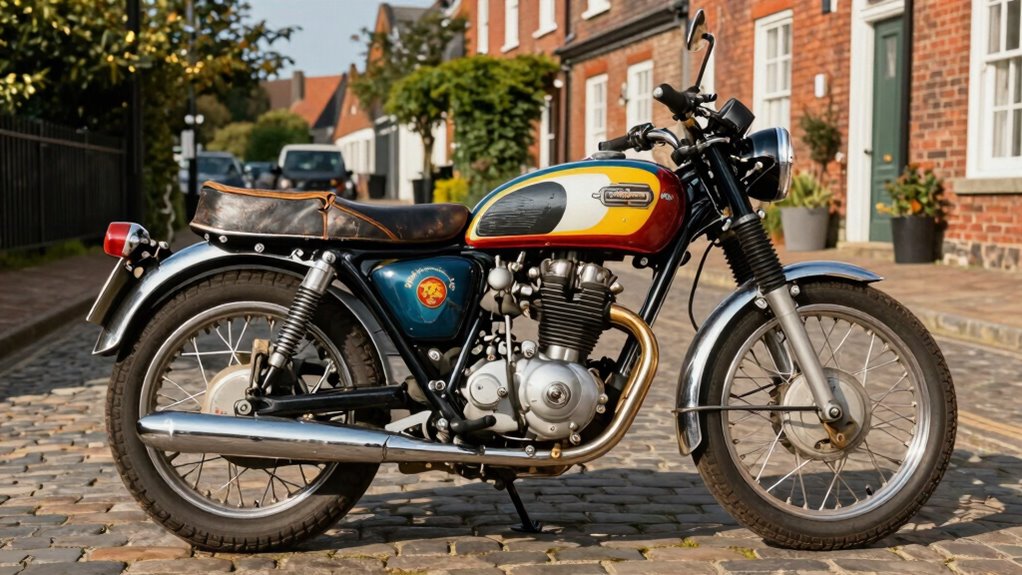

Insuring your classic motorcycle involves understanding specific coverage options, eligibility requirements, and factors that impact your premium. You’ll need to choose policies that cover liability, collision, extensive coverage, and often agreed value for total losses. Factors like bike age, condition, storage, and modifications influence costs, while protections for custom parts and special endorsements may increase premiums. Responsible ownership and expert advice help manage expenses. To guarantee your bike is fully covered, explore these details closely to make informed decisions.
Open a free Amazon Business account
Business pricing, bulk buying and tax-exempt orders.
As an affiliate, we earn on qualifying purchases.
Key Takeaways
- Classic motorcycle insurance offers specialized coverage options like agreed value, restoration, and custom parts, tailored to vintage and antique bikes.
- Premium costs depend on factors such as bike age, value, condition, storage, rider profile, and usage, with discounts for safety courses and security features.
- Policies often restrict usage to shows, parades, or occasional rides, and require secure storage; mileage caps may apply to lower premiums.
- Documenting modifications with receipts and photos helps ensure accurate valuation and appropriate coverage for custom parts and restorations.
- Typical annual premiums range from $150 for minimum liability to $396 for full coverage, influenced by location, rider age, and coverage choices.
Understanding Classic and Vintage Motorcycle Classifications
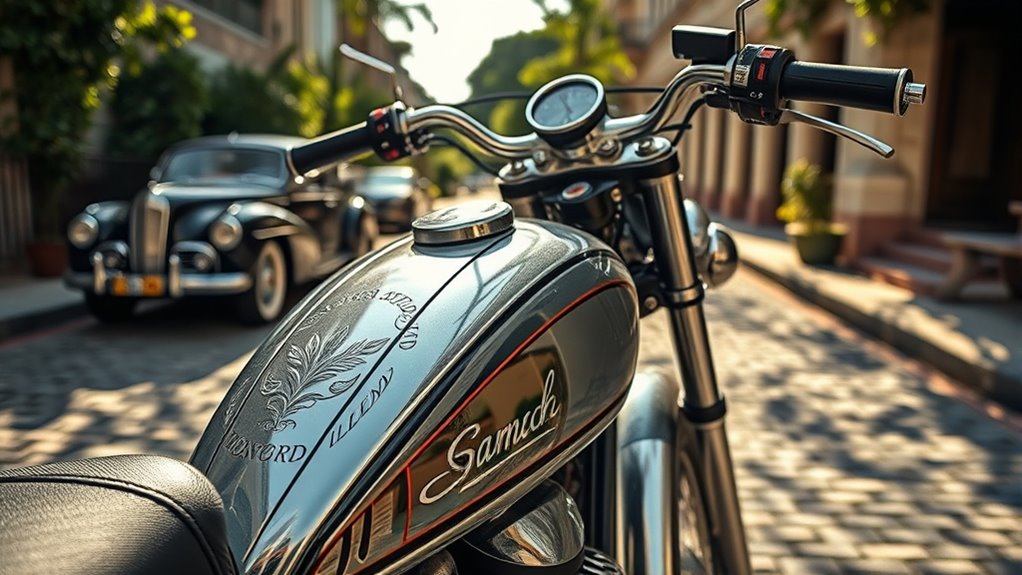
Have you ever wondered how classic and vintage motorcycles are classified? These categories depend on age, era, and regional definitions. For example, veteran bikes are made before December 31, 1918, while vintage motorcycles are generally from 1919 to 1930 or up to 1947 in some clubs. Post-vintage refers to bikes built between 1931 and 1949, and classic motorcycles are typically from 1950 to 1969, with some extending to 1989 as modern classics. Antique motorcycles, according to the Antique Motorcycle Club of America, are 35 years or older, often before 1984. Keep in mind, classifications vary by country, state, and organization, often influenced by the bike’s age, design, and condition, affecting registration and insurance. Classification standards also differ significantly depending on the governing body or region, which can impact insurance requirements and coverage options for these bikes.
Key Types of Coverage for Classic Motorcycle Policies
Understanding the key types of coverage available for classic motorcycle policies is essential to guarantee your vintage bike is properly protected. These coverages address different risks, ensuring your investment stays safe. Liability coverage is mandatory in most states, covering bodily injury and property damage to others if you’re at fault. Collision coverage pays for repairs after accidents, regardless of fault, while comprehensive coverage protects against theft, vandalism, and natural disasters. Agreed value coverage guarantees full payout for total loss, avoiding depreciation. Additionally, coverage for custom parts, accessories, and riding gear safeguards modifications and upgrades that increase your bike’s value. Proper maintenance and understanding of these coverage options can also help prevent insurance claims due to common risks.
Factors Influencing Insurance Premiums for Collectible Bikes
Several factors influence the cost of insuring your collectible motorcycle, from the bike’s make and model to how you plan to use it. The motorcycle’s MSRP plays a big role—higher-priced bikes usually mean higher premiums. The theft rate for your specific model also impacts costs; rare or vintage bikes tend to have higher premiums because of repair difficulty and valuation challenges. The age and condition of your bike matter too; older, restored, or well-preserved bikes may cost more to insure. Your riding profile influences the premium as well—if you’re younger, have a clean record, or complete safety courses, expect discounts. Additionally, where you store your bike, whether in a secure garage or on the street, and your intended usage, like daily riding or show purposes, all shape your insurance costs. Older, restored, or well-preserved bikes may cost more to insure due to their higher valuation and repair costs. Moreover, the risk of theft and vandalism can significantly impact your premium, especially for unique or high-value models.
Special Features and Add-Ons in Classic Motorcycle Insurance
Special features and add-ons in classic motorcycle insurance provide targeted protection that standard policies often lack. These extras help safeguard your bike’s unique value and address specific risks. For example, Agreed Value guarantees a set payout without depreciation, while Inflation Guard adjusts this amount annually to match rising costs. You can also add extensive coverage for theft, vandalism, fire, and natural disasters, which are common concerns for vintage bikes. Restoration coverage helps fund authentic repairs, maintaining your bike’s originality. Many policies offer short-term coverage for newly acquired or under-restoration bikes, with increasing agreed values during rebuilds. Additionally, add-ons like MedPay and roadside assistance provide extra peace of mind, ensuring you’re protected during emergencies and breakdowns. Premium coverage options may include specialized protection for rare or historically significant motorcycles, further customizing your insurance plan. Incorporating specialized coverage for unique aspects of your classic motorcycle ensures comprehensive protection tailored to its specific needs.
Insuring Custom Parts and Accessories on Your Motorcycle
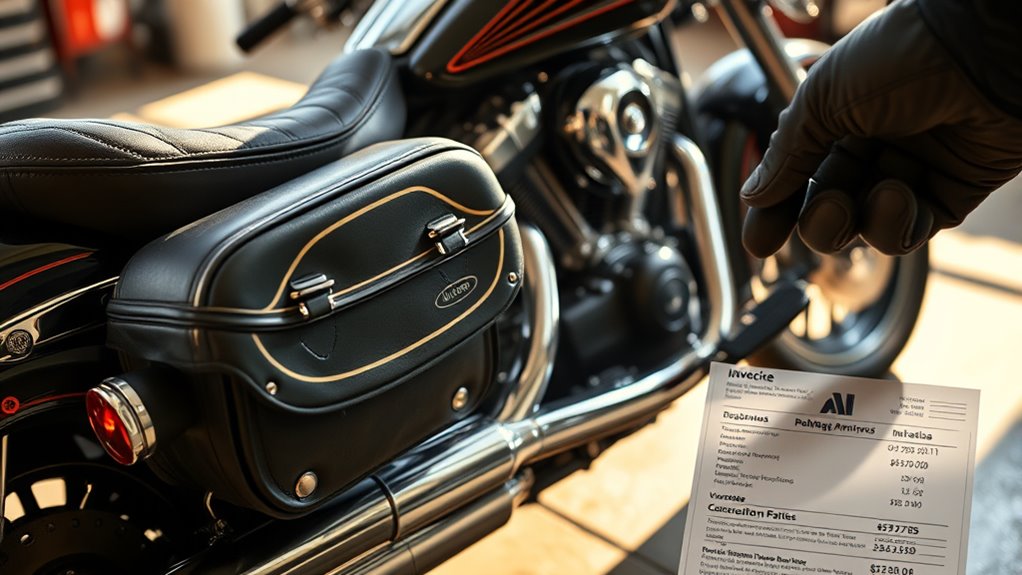
Adding custom parts and accessories to your motorcycle can greatly enhance its performance and style, but protecting those modifications requires careful insurance planning. You can add custom parts and equipment (CPE) coverage to your policy, typically ranging from $1,000 to $30,000, depending on your insurer and policy details. Common covered items include custom paint, exhausts, radios, sidecars, and protective gear like helmets and gloves. Some insurers automatically include limited accessory coverage—usually $500 to $3,000—at no extra cost, while others allow you to purchase higher limits for more expensive upgrades. Proper documentation, such as receipts and photos, is essential for accurate valuation. Regular reviews and endorsements make certain your coverage keeps pace with your customizations, helping you avoid financial loss if claims arise. Coverage limits can vary significantly between policies, so it’s important to compare options carefully. Additionally, understanding insurance policy terms ensures you select the right coverage for your unique setup.
How to Determine the Value of Your Classic Bike and Accessories
To accurately determine the value of your classic motorcycle and accessories, start by engaging an experienced appraiser who specializes in vintage bikes. They’ll conduct a detailed inspection of the engine, frame, wheels, and other components, checking for wear, damage, or modifications. They’ll also analyze historical factors like production numbers and rarity. Use these methods to gauge value:
Engage an expert appraiser to evaluate your vintage motorcycle’s condition, rarity, and historical significance for an accurate valuation.
- Reference guides like Kelley Blue Book (KBB) and NADA Guides for baseline estimates.
- Consult vintage-specific guides, such as The Complete Vintage Motorcycle Price Guide.
- Explore databases like Hagerty Valuation Tools for market trends.
- Review recent sales data from classifieds and auctions.
- Consider the condition, originality, and maintenance history of your bike and accessories.
Additionally, consulting with industry experts can provide insights into unique features or provenance that influence value, ensuring a comprehensive assessment. For a more precise valuation, understanding vintage motorcycle market trends can help you set realistic expectations.
Eligibility Criteria for Classic and Vintage Motorcycle Insurance

Eligibility for classic and vintage motorcycle insurance depends on meeting specific age, condition, usage, and owner requirements. Typically, your bike must be at least 20 to 25 years old, with some insurers classifying bikes as classic at 20+ years and vintage at 25+ years. Certain states require vintage plates for older motorcycles. Insurers often prefer bikes in original or restored condition, with modifications limited to cosmetic upgrades. Usage is usually restricted to occasional rides, shows, or parades, not daily commuting. Secure storage in a locked garage is essential, and mileage caps may apply. You generally need at least 10 years of riding experience, a valid license, and a clean record. Minimum coverage thresholds are common, with higher values for custom or modified bikes.
Tips for Saving on Your Classic Motorcycle Insurance
Saving on your classic motorcycle insurance often starts with smart choices and proactive measures. By demonstrating responsible riding and smart planning, you can lower your premiums considerably. Consider these tips:
- Complete recognized safety courses, like the Motorcycle Safety Foundation, to qualify for discounts of 5-15%. These courses can also improve your riding skills, reducing the risk of accidents.
- Use telematics devices to showcase safe riding habits and earn discounts of up to 40%. Incorporating advanced safety technology in your bike can further enhance your safety profile.
- Opt for seasonal or lay-up policies when storing your bike off-season, reducing premiums by 20-30%.
- Install security features like GPS trackers and alarms to get 5-10% off comprehensive coverage.
- Keep your mileage low and accurately report usage to benefit from pay-per-mile or low-mileage discounts.
These actions not only save money but also demonstrate your commitment to responsible ownership.
The Role of Insurance Agents Specializing in Collector Motorcycles

Specialized insurance agents for collector motorcycles bring valuable expertise that standard agents often lack. They understand the unique market, ensuring accurate valuations and tailored coverage. These agents know about agreed value policies that pay out at a pre-set amount, avoiding depreciation. They guide you through underwriting criteria specific to collector bikes, considering factors like rarity, condition, and restoration status. Their passion for motorcycles enhances service quality and trust. Additionally, their familiarity with European cloud solutions can improve data management and policy customization processes.
Common Insurance Myths and Misconceptions Debunked
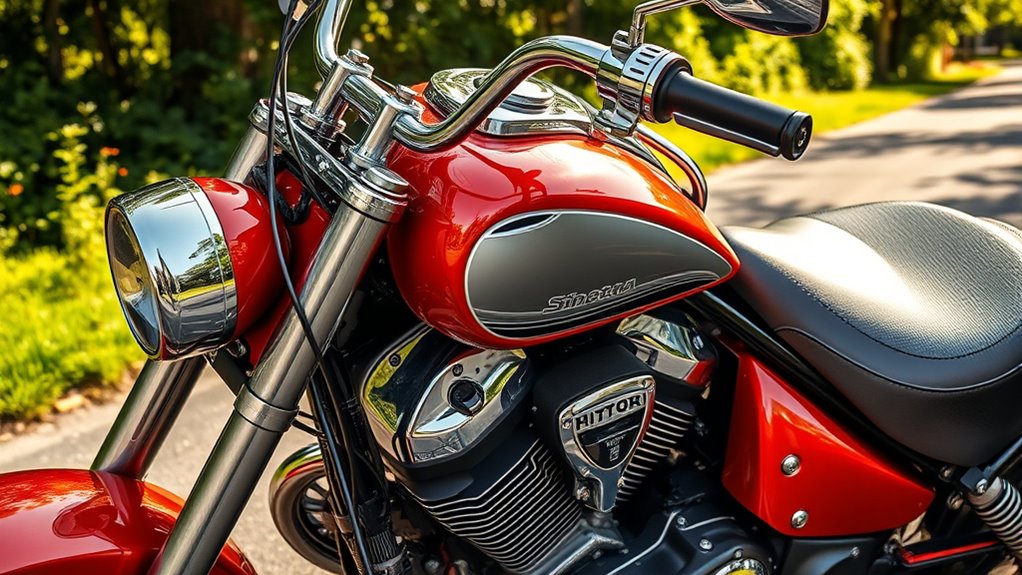
Many motorcycle insurance myths can lead you to false assumptions about costs and coverage. You might think all bikes cost the same to insure or that coverage is always standard, but that’s not the case. Understanding these misconceptions helps you make informed decisions and avoid surprises when protecting your classic motorcycle. Proper coverage is essential to protect your investment, especially for valuable bikes like classics, and can prevent significant financial loss if an accident occurs. Recognizing the importance of individual evidence in case of disputes can also help ensure your claims are properly supported and processed.
Myth: All Bikes Are Equal
Have you ever assumed that all motorcycles cost the same to insure? That’s a common misconception. Insurance rates actually vary widely based on several factors, not just the model. For example:
- Larger engines usually mean higher premiums, regardless of the bike’s age or style.
- Some insurers differentiate between street bikes and race bikes, affecting your rate.
- Coverage options differ, so not all policies cover the same risks or accessories.
- Multi-bike policies often require separate coverage for each bike, not automatic coverage.
- The type of bike, engine size, and insurer policies are the main drivers of cost, not just the model name.
- Insurance premium factors influence how rates are determined beyond just the motorcycle’s brand or model.
- Motorcycle insurance is generally more affordable than auto insurance, especially when you understand how to properly assess your coverage needs.
Understanding these distinctions helps you avoid oversimplified assumptions. Your motorcycle’s insurance costs depend on specific details, not just the brand or a letter in its name.
Misconception: Insurance Is Expensive
Contrary to popular belief, motorcycle insurance doesn’t have to break the bank. The average full coverage policy in the U.S. costs around $396 annually, or just $33 a month, though premiums vary based on location, age, and bike type. Minimum liability coverage can be as low as $144 to $156 per year, making basic protection affordable. Young riders under 25 often pay more—between $500 and $1,500 annually—due to higher risk, but costs decrease markedly after age 25. Sports bikes tend to be pricier, while standard and touring bikes usually cost less. Many riders pay less than expected by choosing coverage wisely or meeting legal minimums. Classic motorcycles, with lower liability risks and specialized policies, can also be more affordable than you might think. Insurance costs vary widely depending on individual circumstances, coverage choices, and regional factors, demonstrating that affordable options are available for most riders.
False Belief: Coverage Is Standard
You might assume that all classic motorcycle insurance offers the same coverage, but in reality, policies vary widely. Coverage isn’t automatically included for all bikes or identical across providers. For example, full coverage on one motorcycle doesn’t guarantee coverage for your other classics. Many policies require specialized or agreed value coverage to reflect their collector status and higher worth. Standard policies may exclude or limit coverage for antique bikes unless you add specific endorsements. Always review your policy documents carefully and confirm with your insurer whether classic coverage is included or needs a separate agreement. Full coverage extends to your other bikes.- Coverage differs between insurers and policies – Classic bikes often need specialized coverage – Standard policies may exclude antiques – Confirm if coverage is included or separate – Review policy details thoroughly
Frequently Asked Questions
Can I Insure a Partially Restored or Modified Classic Motorcycle?
Yes, you can insure a partially restored or modified classic motorcycle. Insurers typically require the bike to be from 1975 or older and in excellent condition or actively undergoing restoration. You’ll need to provide documentation like photos and receipts, and some policies may limit coverage for custom parts. Be transparent about modifications, and consider an agreed value policy to protect your restoration investment and guarantee proper coverage.
How Does Mileage Restriction Affect My Premium and Coverage Options?
When you have mileage restrictions, your premium drops because insurers see less risk—like a rider who only uses their bike for weekend rides, staying within 3,000 miles annually. This limited use means your coverage still protects your bike’s agreed value and special parts. If you exceed the limit, your policy could be canceled or costs increased. Staying within your mileage cap helps keep premiums low and coverage intact.
Are Vintage Motorcycle Insurance Policies Transferable if I Sell the Bike?
When you sell your vintage motorcycle, the insurance policy usually doesn’t transfer automatically. You’ll need to cancel your policy and the new owner should get their own coverage. Some insurers might offer a grace period or transfer options, but it’s essential to verify with your insurer directly. Keep in mind, agreed value coverage and accessories might not transfer, so coordinating with the insurer ensures continuous coverage during the ownership change.
What Are the Best Ways to Document and Appraise Custom Accessories?
To effectively document and appraise your custom accessories, start by creating a detailed inventory with brand, model, serial numbers, installation dates, and benefits. Take clear photos and videos from multiple angles, and keep receipts and invoices. Hire a certified appraiser to evaluate craftsmanship and market value, and compile a thorough report. Regularly research market trends, maintain organized records, and back up all digital documentation to guarantee accurate valuation and insurance coverage.
Does Insuring a Vintage Bike Include Coverage for Event Participation or Exhibitions?
They say, “It’s better to be safe than sorry,” and that applies to vintage bikes at events. Yes, insuring your vintage motorcycle often includes coverage for participation in shows and exhibitions. You may need to declare your event use, and premiums could rise slightly, but this coverage guards against damage, theft, and liability during these special occasions. Always check your policy details to make sure your bike’s protected when showcasing your prized possession.
Conclusion
Now that you know the ins and outs of insuring your classic motorcycle, you’re better equipped to make informed decisions. Understanding coverage options and costs helps you avoid surprises down the road. Remember, it’s better to be safe than sorry—don’t let your vintage ride become a money pit. With the right insurance and a little research, you’ll keep your prized bike protected and ready to hit the road whenever the mood strikes.
Flea & tick season Picks
flea and tick prevention
As an affiliate, we earn on qualifying purchases.