
To decide if your tank can be saved, start by inspecting it for signs of damage, corrosion, or leaks. Determine if damage is minor, like small cracks or rust spots, which you might repair, or if there’s extensive rust or structural failure, likely requiring replacement. Consider the tank’s age, overall condition, and repair costs. If you’re unsure about the extent of damage, keep exploring for detailed tips to help you make a safer, informed decision.

Get garage and car supplies delivered free — and shop member deals
- Fast, free delivery on millions of items
- Access to Prime Big Deal Days deals on October 6–7
- Prime Video, Amazon Music and more included
Key Takeaways
- Assess the extent and severity of corrosion or damage, identifying whether it is localized or extensive.
- Determine if repairs, such as welding, are feasible and sufficient to restore tank integrity.
- Consider the tank’s age, previous maintenance, and overall structural condition.
- Evaluate if the damage compromises safety, environmental safety, or structural stability.
- Consult professionals for expert assessment when damage exceeds repair limits or uncertainty exists.
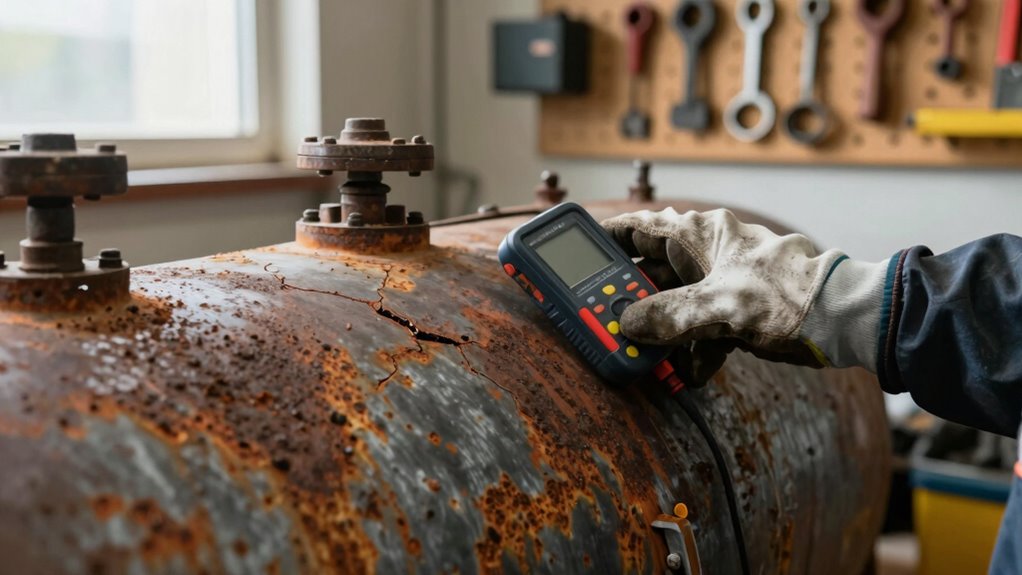
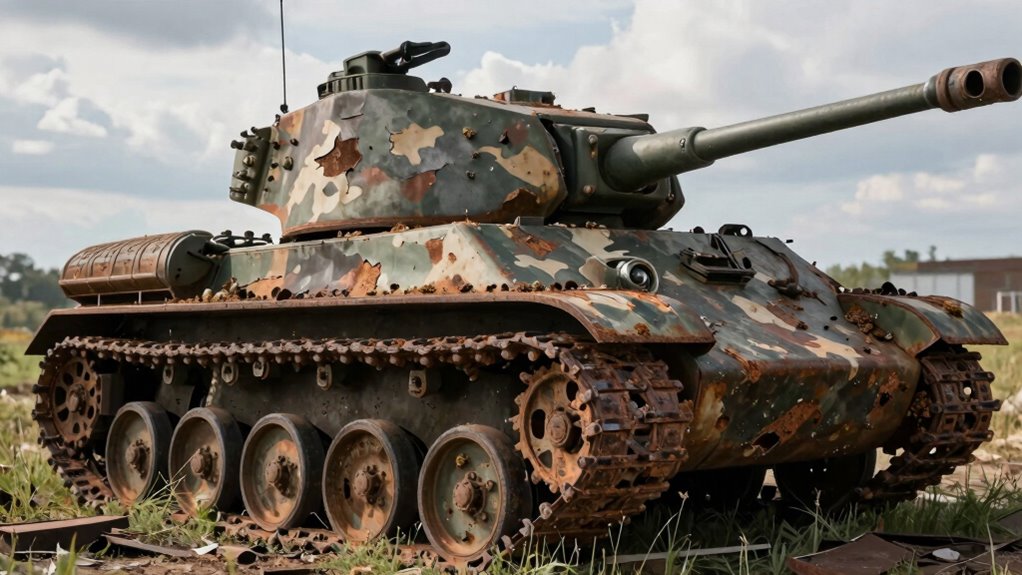
When your tank starts showing signs of damage or leaks, quick and effective repairs are essential to prevent further issues. The first step in deciding if the tank can be saved is to assess the extent of the damage. Small cracks or minor corrosion might be repairable, but extensive rust or structural failure could mean replacement is the safer option. Carefully inspect the tank for corrosion, especially in areas where the metal appears pitted or discolored. Corrosion prevention is key; if the damage is caught early, you can often stop corrosion from worsening by removing rust and applying protective coatings. Regular maintenance and monitoring can help catch issues early before they become severe. If the damage is localized, such as small holes or cracks, welding techniques can be effective for repair. Proper welding is crucial—not only for sealing leaks but also for maintaining the tank’s structural integrity. You’ll want to choose the right welding method based on the tank’s material and the type of damage. For example, MIG welding works well on thin metal, while stick or TIG welding might be necessary for thicker sections. Proper preparation before welding, like cleaning the area thoroughly and removing any corrosion or contaminants, ensures a stronger, longer-lasting repair. Keep in mind that improper welding can lead to weak spots or even additional damage, so if you’re not experienced, it’s wise to consult a professional. Deciding whether a tank can be saved also involves evaluating its overall condition. Look for signs of thinning metal, warping, or previous repairs that might have compromised its integrity. If the damage is widespread or the tank shows signs of fatigue, repair might not be cost-effective or safe. In such cases, replacing the tank could be the better choice to avoid safety hazards or environmental risks. Additionally, consider the tank’s age and previous maintenance history. Older tanks with multiple corrosion spots or extensive wear are less likely to be salvageable. If you decide to repair, always prioritize corrosion prevention to extend the lifespan of your tank. Applying rust-resistant coatings and regularly inspecting for early signs of deterioration can prevent future issues. Understanding corrosion mechanisms can help you better prevent future damage. Proper Corrosion prevention and maintenance can significantly extend the life of your tank, saving you time and money in the long run. Being aware of common damage types can guide you in choosing the most effective repair strategies. It’s also helpful to be aware of the different repair techniques suitable for various types of damage, ensuring you choose the most effective method. Recognizing the importance of early detection can make the difference between a simple repair and a costly replacement. In the end, your decision depends on a careful assessment of damage extent, the effectiveness of welding repairs, and the overall condition of the tank. When in doubt, consulting with a professional who specializes in tank repairs can help you determine if saving the tank is practical or if replacement is the safer route.
As an affiliate, we earn on qualifying purchases.
Frequently Asked Questions
What Are Signs of Structural Damage in a Tank?
You can spot signs of structural damage in a tank by examining for corrosion, which appears as rust or pitting on the surface. During corrosion inspection, look for thinning walls or holes. Also, check weld integrity—any cracks, leaks, or signs of weakening in welds indicate potential damage. These issues compromise the tank’s strength, signaling that it might need repairs or replacement to guarantee safety and functionality.
How Long Does a Typical Tank Repair Process Take?
On average, tank repairs take about 2 to 4 weeks, depending on the damage’s extent. During this time, you’ll undergo tank maintenance and address repair costs, which can vary widely. Minor fixes might only take a few days, while substantial damage could extend the process. Staying proactive and coordinating with your repair team helps guarantee timely completion, minimizing downtime and keeping your tank in peak condition.
Can Minor Leaks Be Fixed at Home?
Yes, you can fix minor leaks at home, but it’s essential to start with thorough tank cleaning to remove debris and corrosion. Use a suitable sealant or patch kit designed for your tank type, focusing on leak prevention. Make certain the area is dry and clean before applying any repair. Keep in mind, if the leak persists or worsens, it’s safest to consult a professional to prevent potential damage or safety hazards.
What Safety Precautions Are Necessary During Tank Repairs?
During tank repairs, safety precautions are essential, especially since improper handling causes 85% of industrial accidents. Always wear protective gear like gloves, goggles, and respirators to shield against hazardous fumes or splashes. Guarantee proper ventilation safety by working in well-ventilated areas or using exhaust systems to prevent toxic buildup. Never skip these steps—they’re indispensable to protect yourself and ensure a safe, successful repair process.
When Should I Replace a Tank Instead of Repairing It?
You should replace a tank when repair costs outweigh its value or if the tank material is severely corroded or damaged beyond repair. If the damage compromises the tank’s integrity or safety, replacement is the safer choice. Consider the lifespan of the tank and whether repairs will be cost-effective long-term. When in doubt, consult a professional to assess whether repair or replacement makes more sense financially and safety-wise.
rust removal and corrosion prevention products
As an affiliate, we earn on qualifying purchases.
As an affiliate, we earn on qualifying purchases.
Conclusion
When deciding if your tank can be saved, consider the extent of damage and repair costs. Don’t let fear of the unknown hold you back—imagine the satisfaction of restoring an essential part of your vehicle, bringing it back to life. With careful assessment, you’ll see that many issues are fixable, saving you money and effort. Trust your judgment, and remember, a well-maintained tank can serve you for years to come.
As an affiliate, we earn on qualifying purchases.
As an affiliate, we earn on qualifying purchases.
Halloween Picks
halloween
As an affiliate, we earn on qualifying purchases.