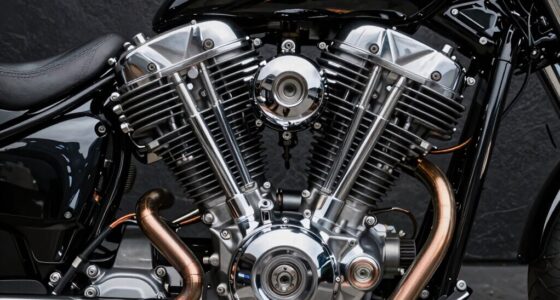
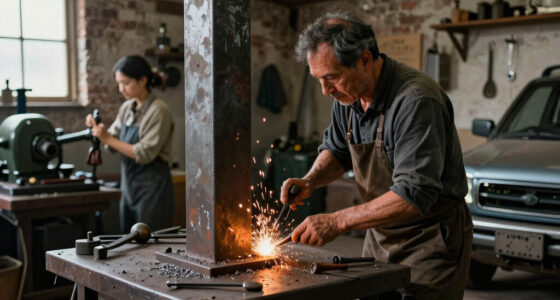
Restoration focuses on keeping your vehicle as close to its original factory condition as possible, emphasizing authenticity, original parts, and historical accuracy—great for collectors and preserving value. Customization, on the other hand, is all about personal style, performance upgrades, and unique modifications that reflect your taste. Your choice depends on whether you want to preserve the classic look or make it truly your own. Explore further to understand how each approach aligns with your goals.

Get business pricing on garage and car supplies
- Business-only prices and quantity discounts
- Tax-exempt purchasing
- Multiple users, one account, clear invoices
Key Takeaways
- Restoration emphasizes maintaining original factory conditions and authentic parts to preserve vehicle value and historical accuracy.
- Customization focuses on adding personal style, modern features, and unique modifications for performance and aesthetic preferences.
- Authentic restorations appeal to collectors and can increase resale value, whereas customized vehicles target specific tastes and niche markets.
- Restoration projects often require extensive time and budget for authentic parts and careful preservation; customization varies widely in scope.
- The choice depends on the owner’s goal: preserve heritage and authenticity or express personal style and enhance usability.
As an affiliate, we earn on qualifying purchases.
Understanding the Core Differences Between Restoration and Customization

Understanding the core differences between restoration and customization is essential when deciding how to treat a vintage vehicle. Restoration focuses on returning your car to its original factory condition, emphasizing authenticity, historical accuracy, and original parts. It’s about preserving the vehicle’s true character and value as it was when first produced. Customization, on the other hand, involves modifying your car to suit your personal style, performance needs, or comfort preferences. This can include modern upgrades, unique paint jobs, and aftermarket parts, often diverging from original specifications. Restorations aim to maintain the vehicle’s heritage, while customization prioritizes usability and personal expression. Recognizing these differences helps you determine whether you want an authentic classic or a personalized, upgraded version tailored to your tastes. Additionally, understanding color accuracy and how it impacts visual presentation can be crucial when considering aesthetic modifications or restorations. When evaluating original parts, it’s important to consider their availability and authenticity to ensure the vehicle’s integrity, especially given the importance of authenticity preservation. Moreover, considering market value can influence whether restoration or customization aligns better with your long-term investment goals. Being aware of parts sourcing can also help in making informed decisions about authenticity and quality.
As an affiliate, we earn on qualifying purchases.
Evaluating Cost Considerations and Budget Planning

When planning your project, you need to carefully consider restoration costs, which can vary widely based on condition and parts availability. Estimating customization expenses is equally important, especially since adding modern features often increases the budget considerably. Be prepared for unexpected repairs and surprises that can quickly impact your overall costs and timeline. Incorporating energy-efficient technology can help reduce long-term operational costs and enhance sustainability. Additionally, understanding piercing materials and jewelry measurements can prevent costly mistakes related to fit and material compatibility. Staying informed about global technology outages can also help you develop contingency plans to minimize disruptions during your project execution. Furthermore, considering authenticity and ethical sourcing ensures the integrity of your customization choices aligns with personal values and quality standards. Being aware of reliable supply channels can help you source quality materials more efficiently and avoid delays.
Budgeting for Restoration Costs
Planning your restoration budget requires careful evaluation of various cost factors to guarantee your project stays on track. First, consider the vehicle’s condition—dirtier or more damaged cars will need more work and higher expenses. Next, sourcing authentic parts can be costly, especially if they’re rare or require reproduction. Labor costs vary depending on the complexity of the restoration and your location. Don’t forget to allocate funds for unexpected issues like hidden rust or structural repairs. Finally, factor in your DIY skills versus professional help. To stay within budget, keep these points in mind:
- Cost of original or reproduction parts
- Labor fees and workshop rates
- Potential hidden repair costs
- Your skill level and DIY capabilities
- Contingency funds for surprises
Estimating Customization Expenses
Estimating customization expenses requires a clear grasp of the scope and complexity of your project, as these factors heavily influence costs. You need to take into account the extent of modifications—whether you’re upgrading the engine, adding modern tech, or redesigning the interior. The quality of parts used also impacts your budget; aftermarket parts range from affordable to high-end, affecting overall expenses. Labor costs vary based on the project’s intricacy and whether you’re doing some work yourself or hiring professionals. Customization projects can start around $20,000 but easily climb beyond $100,000 for extensive overhauls. Planning for these expenses involves setting realistic goals, researching options, and allocating a contingency fund for unforeseen costs. Accurate budgeting ensures your personalized project stays financially viable without sacrificing quality. Understanding customization costs is essential for creating a feasible plan and avoiding unexpected financial strain. Additionally, considering the cost of parts and labor can help you better estimate the total investment needed. Incorporating insights from AI tools can also assist in streamlining project management and cost estimation processes.
Managing Unexpected Repairs
Managing unexpected repairs is a crucial part of any restoration or customization project because unforeseen issues can quickly escalate costs. You need to plan for surprises that may arise during the process, whether it’s hidden rust, wiring problems, or sourcing rare parts. Being prepared helps prevent project delays and budget overruns. Incorporating total-cost clarity into your planning ensures you have a comprehensive understanding of potential expenses from the outset. Additionally, understanding the science behind repair issues can help you better anticipate and address common challenges. Recognizing the benefits of glycolic acid in skin care can inspire a proactive approach to maintenance, similar to how regular inspections can prevent larger issues in repairs. Staying informed about curiousminds.info can also provide useful insights and tips for handling unexpected situations effectively. Considering Grocery Savings Strategies can also be beneficial in managing overall project costs by reallocating funds efficiently. Consider these tips: – Set aside a contingency fund of at least 10-20% of your total budget – Regularly review progress to identify issues early – Prioritize repairs based on safety and feasibility – Keep detailed records of costs and repairs – Be flexible with timelines and costs to accommodate surprises
As an affiliate, we earn on qualifying purchases.
Timeline Expectations for Project Completion

The timeline for completing a restoration or customization project varies considerably depending on the scope and complexity. Restorations, especially those aiming for factory accuracy, often take several months to over a year. This extended timeframe is due to sourcing original parts, performing detailed craftsmanship, and ensuring authenticity demand patience. Customization projects, particularly those with modern upgrades and bespoke features, can sometimes be completed faster—around 12 to 14 weeks—thanks to streamlined processes and fabrication techniques. However, complex or highly personalized builds may extend beyond this timeframe. Factors like availability of parts, project design, and labor scheduling influence your timeline. To stay on track, clear communication with your builder and realistic expectations are essential, regardless of whether you’re restoring or customizing your vehicle. Ensuring the authenticity of every detail often requires meticulous attention, which can impact your overall schedule. Additionally, understanding the project scope can help set more accurate expectations for completion time. For projects emphasizing original parts, sourcing authentic components can be a significant factor in the timeline, and proper planning can help mitigate delays. Being aware of potential supply chain issues can also better prepare you for possible delays and adjustments during the process.
As an affiliate, we earn on qualifying purchases.
Market Value and Resale Impacts of Restoring Versus Personalizing

Your choice between restoring and customizing can markedly influence a vehicle’s market value and resale prospects. Authentic restorations often attract collectors who prioritize originality, boosting the vehicle’s worth, while personalized builds may appeal to buyers seeking modern features, possibly lowering the resale value. Understanding current market trends helps you decide which approach will yield the best return on your investment. Additionally, considering the Free Floating trend in vehicle customization can help tailor your project to current consumer preferences. Awareness of market value factors such as authenticity and personalization can further guide your decision-making process.
Authenticity and Collector Value
Restoring a vehicle to its original factory condition often boosts its market value, especially among collectors who prize authenticity and historical accuracy. When your car maintains its original parts and exact specifications, it becomes more desirable and can fetch higher resale prices. Authentic restorations appeal to purists who see vintage vehicles as pieces of history. Conversely, personalization can sometimes lower a car’s value for traditional collectors but may attract buyers seeking a unique, modernized ride. Additionally, understanding the market value and how restoration versus customization impacts resale can help guide your decisions. Consider these points:
- Original parts and factory specs increase collector appeal
- Authenticity often leads to higher auction prices
- Customization might reduce value for purists
- Restorations preserve historical significance
- Personalization attracts a niche market focused on style rather than history
Modern Appeal and Market Trends
Modern market trends show that the value of a classic vehicle depends heavily on how it’s restored or personalized. If you prioritize authenticity, original restorations often fetch higher prices at auctions and attract purist collectors. However, customization can appeal to buyers seeking modern performance, comfort, and unique style, potentially increasing resale value if done well. Restomods, blending vintage aesthetics with contemporary upgrades, often command premium prices, especially when rare or expertly built. Conversely, purely aesthetic modifications might lower market value among traditional collectors but can boost appeal in niche markets. Overall, current trends favor vehicles that balance originality with modern usability, making strategic customization a smart move for increasing market value and resale prospects.
Performance and Reliability: How Modifications Affect Usability

Modifications to a vehicle considerably influence its performance and reliability, often making it more suitable for daily use or long-distance driving. When you upgrade parts like engines, suspensions, or brakes, you enhance handling, power, and safety. These improvements can translate into a more comfortable, confident driving experience, especially over extended trips. However, not all modifications boost dependability; some may introduce complexity or reduce longevity if not properly installed or maintained.
Consider these points:
Keep in mind that aftermarket parts may require extra maintenance and careful installation for long-term reliability.
- Modern engines often deliver better fuel efficiency and power.
- Upgraded suspensions improve ride comfort and handling.
- Advanced electronics enhance safety features.
- Non-standard parts may require more frequent maintenance.
- Over-optimizing can lead to reliability issues if not balanced correctly.
Industry Trends Shaping Restoration and Customization Practices
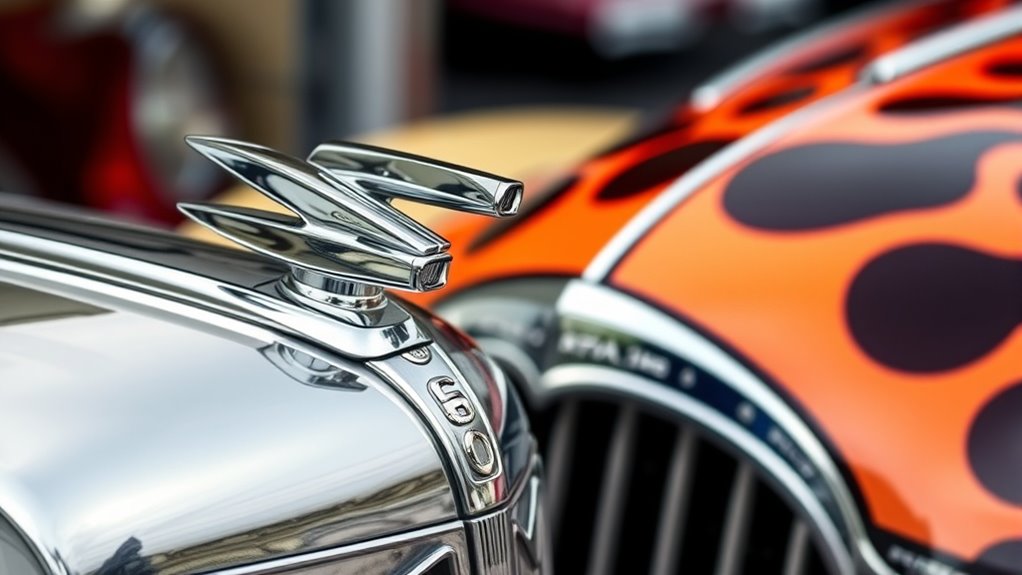
Industry trends are markedly influencing how restoration and customization practices evolve, driven by technological advancements and shifting consumer preferences. You now see more digital tools like 3D scanning and virtual modeling, which streamline restoration processes and improve accuracy. Environmental concerns push both sectors toward sustainable materials and eco-friendly methods, making projects more responsible. The rise of online platforms connects enthusiasts with expert craftsmen and rare parts, expanding access and options. In customization, modern technology, such as electric drivetrains and smart electronics, is becoming standard, allowing for more innovative and personalized builds. Meanwhile, consumer preferences favor unique, modernized vehicles that blend vintage aesthetics with contemporary performance. These trends collectively shape the industry, making restoration and customization more efficient, sustainable, and aligned with today’s technological and environmental standards.
Challenges Faced in Restoring Classic Vehicles
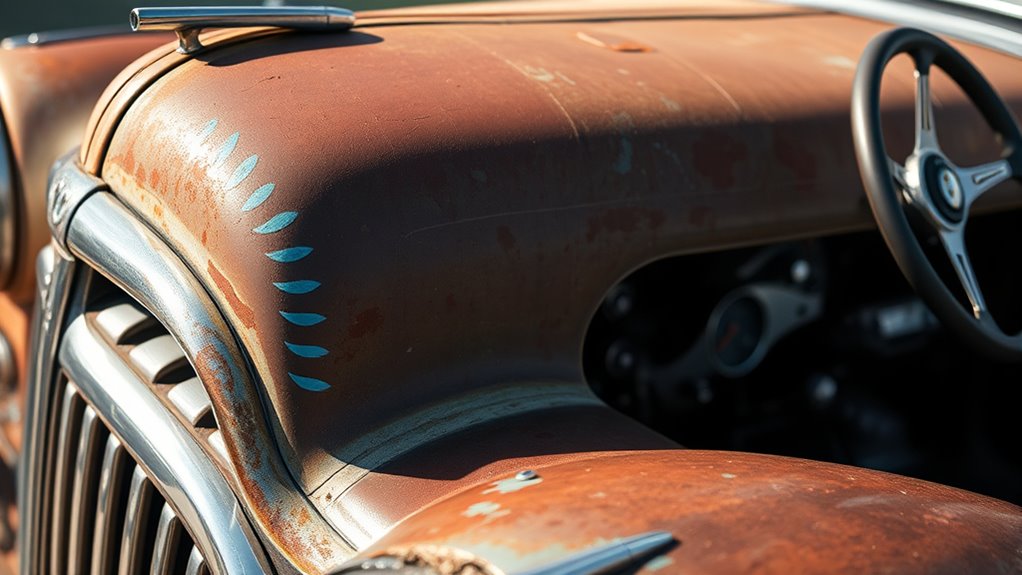
Restoring classic vehicles presents a range of significant obstacles that can complicate projects and impact timelines. You might face difficulties sourcing authentic parts, especially for rare models, causing delays. The process demands meticulous attention to detail, which can extend project durations and increase costs. Skilled labor shortages can hinder progress or lead to subpar work. Unexpected rust or structural damage often surfaces, requiring extra repairs. Additionally, regulatory hurdles, like emissions standards and safety compliance, can complicate restorations.
- Finding original or accurate reproduction parts
- Dealing with hidden rust and corrosion
- Coordinating skilled craftsmanship and labor availability
- Managing unexpected structural issues
- Navigating complex legal and safety regulations
The Role of Personal Style and Usage Goals in Decision-Making

Your personal style and how you plan to use the vehicle play a crucial role in shaping your restoration or customization choices. If you value originality and intend to showcase the car at shows, restoration focusing on authenticity makes sense. You’ll prioritize factory specifications, original parts, and historical accuracy. Conversely, if you want a daily driver with modern comforts, customization offers the flexibility to add contemporary features like upgraded engines, electronics, or aesthetics that match your unique taste. Consider your driving habits—long-distance travel, performance, or aesthetics—and how much time and money you’re willing to invest. Your goals influence whether you lean toward preserving the vehicle’s original charm or transforming it into a personalized statement that suits your lifestyle.
Choosing the Right Approach Based on Vehicle and Owner Preferences
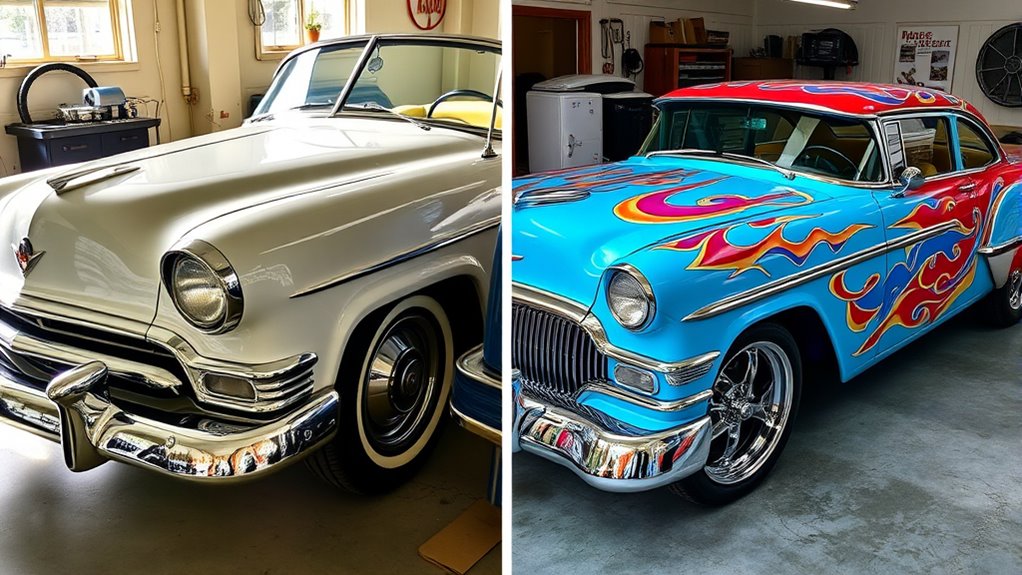
When deciding between restoration and customization, it’s important to think about both the vehicle’s characteristics and your personal preferences. Your vehicle’s age, rarity, and original condition can guide your choice—restoration suits classic models worth preserving, while customization fits vehicles needing performance boosts or modern updates. Consider your budget and timeline, as restorations often take longer and cost more if you want authenticity. Think about how you plan to use the car—daily driver or showpiece influences the approach. Finally, reflect on your style: do you want a pristine, original look, or a unique, personalized ride?
- Preservation of historical value vs. modern upgrades
- Budget constraints and project timelines
- Intended use: daily driving or collection piece
- Desire for authenticity or personal expression
- Long-term maintenance and resale goals
Frequently Asked Questions
How Do Restoration and Customization Impact a Vehicle’s Insurance Premiums?
Restoration and customization can both raise your insurance premiums because they increase your vehicle’s value and alter its original condition. Insurance providers see restored or customized cars as higher risks due to their enhanced performance or unique features, which can lead to higher coverage costs. You might also face higher premiums if your vehicle’s value appreciates considerably or if modifications make repairs more expensive. Always disclose modifications to ensure proper coverage.
What Are the Most Common Mistakes to Avoid During Restoration Projects?
You’re steering a delicate dance, so avoid rushing or cutting corners. Don’t overlook detailed research or skimp on quality parts—cheap alternatives are like quicksand for your project’s integrity. Keep a close eye on wiring and rust issues, and don’t ignore expert advice. Overlooking these pitfalls is like building a house on shifting sands, risking your restoration’s stability and long-term beauty. Take your time, and precision will be your guiding star.
Can Restoration or Customization Increase a Vehicle’s Fuel Efficiency?
Yes, both restoration and customization can boost your vehicle’s fuel efficiency. When you restore, replacing old parts with modern, fuel-saving components improves performance and reduces consumption. Customization allows you to upgrade to newer engines, lightweight materials, or aerodynamic features that enhance efficiency. By choosing modern technology and optimized parts, you can make your vehicle more economical for daily driving, saving you money and reducing your environmental impact.
How Do Legal Regulations Influence Modifications and Restorations?
Legal regulations act like traffic signals guiding your modifications, ensuring safety and compliance. You need to check emissions standards, safety laws, and registration rules in your area before you start. Ignoring these can lead to fines or your vehicle being deemed unroadworthy. Stay informed and work with professionals who understand local laws, so your project hits the road smoothly without legal bumps in the way.
What Maintenance Challenges Are Unique to Customized or Restored Vehicles?
You’ll face unique maintenance challenges with customized or restored vehicles. Custom cars often have complex, modern parts that require special tools and knowledge to repair or replace, increasing costs and downtime. Restored vehicles may need careful preservation to keep original parts in good condition, which can be delicate and time-consuming. Both types demand expert service to maintain their quality, and sourcing rare or aftermarket components can be tricky and expensive.
Conclusion
Ultimately, whether you choose restoration or customization depends on your goals and how you want your vehicle to reflect your personality. Restoring keeps it true to its roots, while customizing lets you put your stamp on it. Remember, don’t bite off more than you can chew—know your limits and plan accordingly. Whichever route you take, make sure it aligns with your style and expectations, because a well-chosen path makes all the difference in the end.
Halloween Picks
halloween
As an affiliate, we earn on qualifying purchases.