When choosing between powder coating and paint for refinishing frames and parts, consider durability, environmental impact, and application flexibility. Powder coating offers a thicker, tougher finish that resists chipping, scratching, and corrosion, making it ideal for outdoor or high-use items. It’s also eco-friendly with minimal VOC emissions. Paint provides more versatility for intricate designs and different materials. To understand which method best suits your needs and get expert tips, keep exploring the details ahead.
Open a free Amazon Business account
Business pricing, bulk buying and tax-exempt orders.
As an affiliate, we earn on qualifying purchases.
Key Takeaways
- Powder coating offers a thicker, more durable finish that resists chipping, scratching, and corrosion better than liquid paint.
- It provides a more environmentally friendly option with minimal VOC emissions and reusable overspray.
- Suitable for metal frames and outdoor use due to its high durability and corrosion resistance.
- Liquid paint is more versatile for various materials and intricate designs, making it ideal for detailed or flexible projects.
- The choice depends on desired durability, environmental considerations, material compatibility, and project complexity.
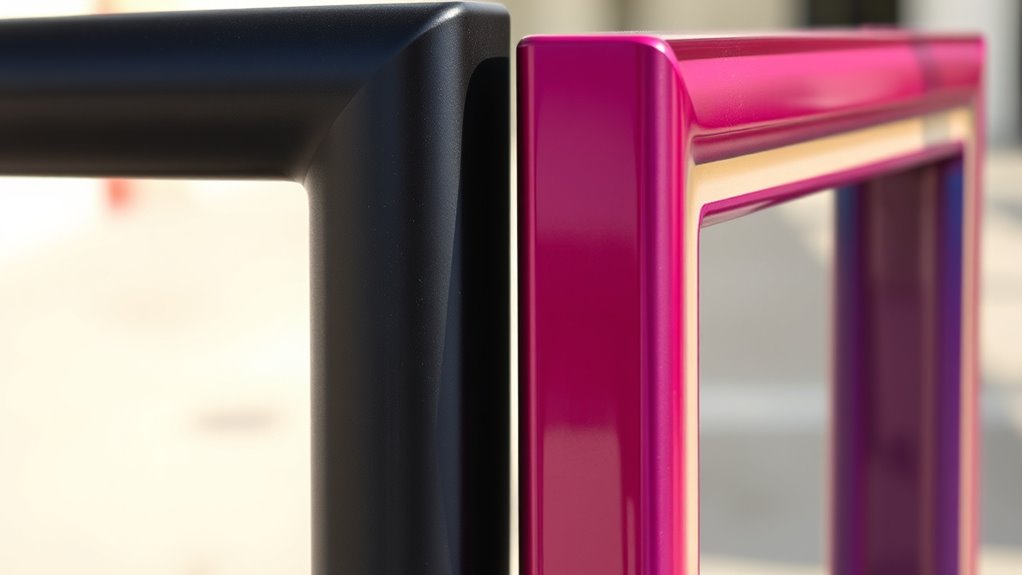
When deciding between powder coating and paint, understanding their differences is essential to making the right choice for your project. Both options serve to protect and enhance the appearance of frames and parts, but they differ considerably in key areas like surface durability and environmental impact. If you’re aiming for a finish that withstands heavy use and harsh conditions, powder coating might be your best bet. It creates a thicker, more robust layer that resists chipping, scratching, and corrosion, ensuring your parts stay in top shape longer. This increased surface durability means fewer touch-ups and replacements over time, which can save you money and effort in the long run. On the other hand, traditional liquid paint often produces a thinner coat, which can be more susceptible to damage, especially on surfaces exposed to frequent wear or outdoor elements.
Powder coating offers a durable, corrosion-resistant finish ideal for heavy use and outdoor conditions.
Environmental impact is another crucial factor to weigh. Powder coating is generally more eco-friendly because it produces little to no volatile organic compounds (VOCs). The process involves applying a dry powder electrostatically, then curing it with heat, resulting in minimal overspray and waste. Any excess powder can often be collected and reused, reducing material waste. Conversely, liquid paints typically emit VOCs during application and curing, which contribute to air pollution and pose health risks. If reducing your environmental footprint matters to you, powder coating offers a cleaner, greener alternative. Additionally, because it doesn’t rely on solvents or chemicals that evaporate into the air, it’s a more sustainable choice for environmentally conscious projects. It’s also worth noting that the application process for powder coating can be more efficient and produce fewer emissions compared to traditional painting methods.
However, it’s important to note that powder coating requires specialized equipment and is best suited for metal surfaces and certain shapes, as the process relies on electrostatic attraction. Painting, with its versatility, can be used on a wider range of materials and intricate designs, but it might demand more frequent maintenance depending on the environment. When weighing these options, consider how much surface durability you need and how important environmental impact is to your project. If you want a durable, long-lasting finish with a lower environmental footprint, powder coating often outperforms traditional paint. Still, if flexibility, ease of application, and working with various materials are priorities, paint might be more practical.
Ultimately, your decision should align with your specific needs, durability expectations, budget, and environmental values. Both methods have their strengths, but understanding these core differences will help you choose the best coating for your frames and parts.
Frequently Asked Questions
How Long Does Each Coating Process Typically Take?
Typically, powder coating takes about 20-30 minutes for the drying time and a curing process of 10-15 minutes at high temperatures, totaling roughly 30-45 minutes. Paint, on the other hand, usually dries to the touch within 1-2 hours, but the full curing process can take several days. So, powder coating generally offers a quicker turnaround, while paint needs more time to fully cure.
Can Powder Coating Be Applied to All Metal Types?
Yes, powder coating works on most metal types, but its compatibility hinges on the specific metal and surface preparation. Generally, it offers high coating versatility, sticking well to aluminum, steel, and cast iron. However, you should verify the metal’s compatibility to ensure proper adhesion and durability. Some metals, like certain galvanized or zinc-coated ones, may need special treatments to optimize powder coating results.
What Are the Environmental Impacts of Each Finishing Method?
You’ll find that powder coating has lower environmental emissions since it produces minimal volatile organic compounds (VOCs) and overspray can be recycled, offering recyclability advantages. Traditional paint releases more VOCs, contributing to air pollution and health issues. Powder coating’s environmentally friendly nature makes it a better choice for eco-conscious projects. By choosing powder coating, you reduce harmful emissions and support sustainable practices in finishing metal parts.
How Do Coating Costs Compare Over the Lifespan?
You might think powder coating costs are higher upfront, but over the lifespan, it’s more cost-effective thanks to superior durability. With a longer lifespan and resistance to chipping and corrosion, powder coating reduces maintenance and reapplication expenses. Paint, while initially cheaper, often requires frequent touch-ups and repainting, inflating costs over time. So, in the long run, powder coating offers better value through its enhanced lifespan durability.
Are There Color or Texture Limitations for Each Process?
You’ll find that both powder coating and paint have distinct color options and texture varieties. Powder coating generally offers a limited color palette but excels with smooth, durable finishes, while paint provides a broader range of colors and textures, like matte, gloss, or satin. If you want custom textures or specific shades, paint might suit you better. However, for a sleek, long-lasting surface, powder coating’s options are more streamlined.
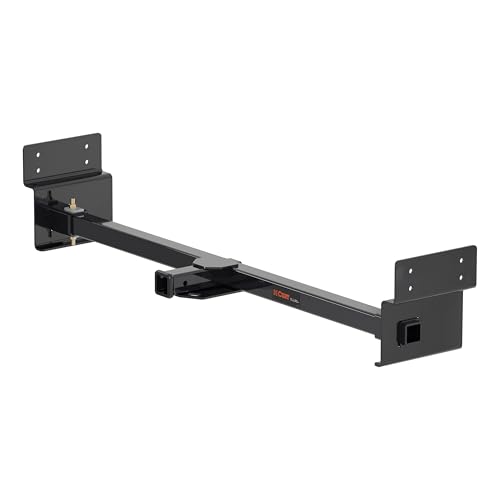
CURT 13703 Adjustable RV Trailer Hitch, 2 Inch Receiver, Fits Camper and Motorhome Frames up to 72 Inches Wide, 3,500 lbs GTW, 350 lbs TW
- Maximum Gross Trailer Weight: 3500 lbs
- Maximum Tongue Weight: 350 lbs
- Receiver Size: 2 x 2 inches
As an affiliate, we earn on qualifying purchases.
Conclusion
When choosing between powder coating and paint for your frames and parts, consider durability and finish quality. Did you know that powder coating offers up to 80% thicker coverage than traditional paint, making it 2-3 times more resistant to chipping and corrosion? This means your projects will last longer and stay looking new. So, weigh your priorities carefully—whether it’s longevity or ease of application—and make the choice that best suits your needs.

KUAFU Universal RV Trailer Hitch 2 Inch Class 3 Mount Receiver Tow Hitch
- Universal Compatibility: Fits ball mounts, cargo carriers, and more
- Durable Construction: Made of heavy-duty steel for strength
- High Weight Capacity: Tows up to 3500 lbs, 350 lbs tongue weight
As an affiliate, we earn on qualifying purchases.

VEVOR Motorcycle Carrier, 600 LBS Steel Motorcycle Carrier Hitch Mount with 47" Longer Ramp, Scooter Dirt Bike Trailer Hauler with Ratchet Straps and Stabilizer, for Car, Truck with 2" Hitch Receiver
- Weight Capacity: Supports up to 600 lbs
- Spacious Platform: 76 x 7-inch carrier with 47-inch ramp
- Durable Steel Construction: High-strength, rust-resistant steel
As an affiliate, we earn on qualifying purchases.
Pool season Picks
robotic pool cleaners
As an affiliate, we earn on qualifying purchases.