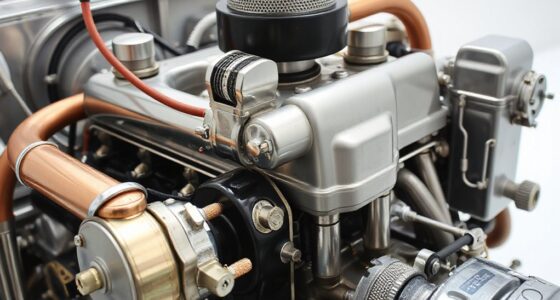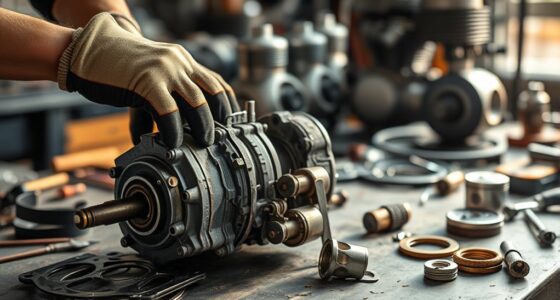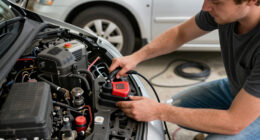
Deciding whether to tackle motorcycle restoration yourself or hire a pro depends on your skills, tools, and the task’s complexity. Simple jobs like cleaning, polishing, or replacing tires are great DIY options, while complex repairs such as engine rebuilds or frame repairs are better left to specialists. Assess your experience honestly and plan accordingly. If you’re unsure about the scope or safety risks, hiring a professional might save time and money. Keep going to learn more about choosing the right tasks for you.

Get business pricing on garage and car supplies
- Business-only prices and quantity discounts
- Tax-exempt purchasing
- Multiple users, one account, clear invoices
Key Takeaways
- Evaluate your technical skills and experience before attempting complex or safety-critical repairs.
- Consider the availability of tools and resources needed for the task to ensure quality results.
- Reserve simple maintenance and cosmetic tasks for DIY to save money and enjoy hands-on involvement.
- Hire professionals for intricate, safety-sensitive, or specialized repairs like engine rebuilds or electrical work.
- Balance your budget, time, and skill level to determine whether a task is suitable for DIY or professional help.
Restoring a motorcycle can be a rewarding project, but deciding whether to do it yourself or hire a professional depends on your skills, tools, and the complexity of the work. When considering this, it’s vital to evaluate the cost considerations involved. DIY restoration can save you money on labor costs, but only if you’re confident in your abilities and have the necessary tools. If you lack specialized equipment, you might end up spending more on rentals or purchasing new tools, which can eat into potential savings. Additionally, unforeseen issues can arise during the project, increasing costs if you’re not prepared for them. On the other hand, hiring a professional may seem more expensive upfront, but it often guarantees the work is done efficiently and correctly, reducing the risk of costly mistakes or rework.
Deciding to DIY or hire a pro depends on your skills, tools, and the project’s complexity.
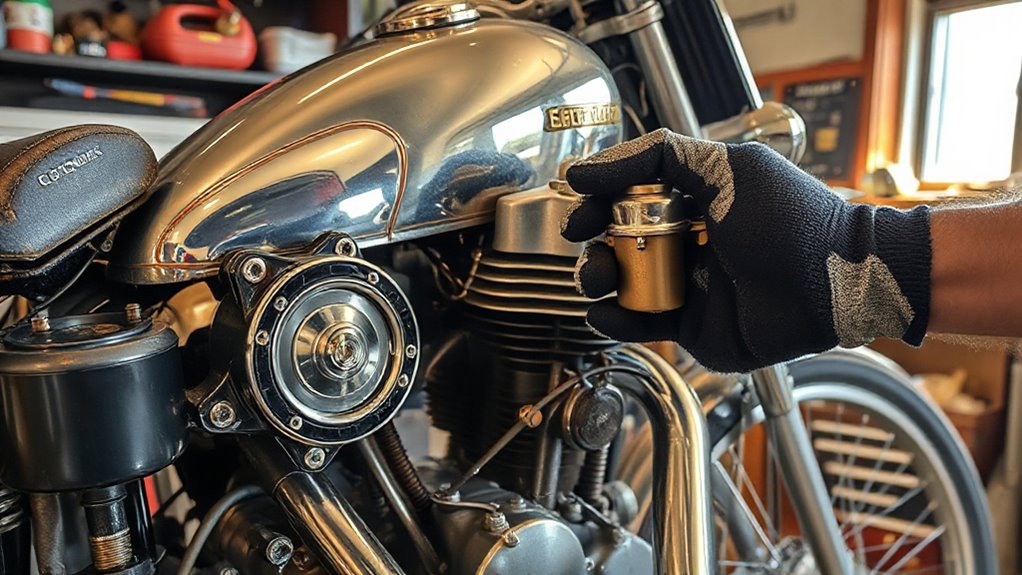
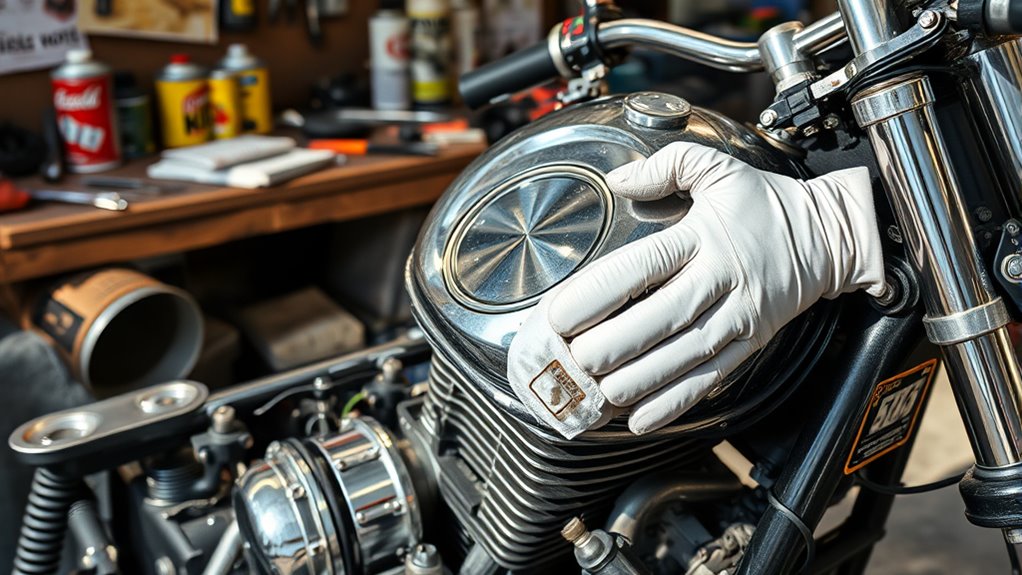
Your skill requirements play an integral role in this decision. If you have experience with mechanical work, basic engine repairs, or bodywork, you might comfortably handle certain restoration tasks yourself. Tasks like cleaning and polishing, replacing tires, or repainting parts are often manageable for hobbyists with minimal risk of damaging the bike. However, more complex jobs—such as engine rebuilds, electrical system rewiring, or frame repairs—demand specialized skills. Attempting these without proper expertise can lead to safety issues, further damage, or the need for professional correction later on. Be honest with yourself about your technical proficiency before diving into intricate tasks.
It’s also smart to consider the time investment. DIY projects can take considerably longer, especially if you’re learning as you go. If your schedule is tight or you need the bike back on the road quickly, outsourcing certain tasks might be the better choice. Conversely, if you enjoy working on bikes and have patience, tackling the project yourself can be deeply satisfying and educational. Remember, some tasks are straightforward enough for DIY, while others are best left to professionals. For example, replacing worn-out chain links or cleaning carburetors may be manageable, but diagnosing intricate electrical issues or performing frame alignments are better entrusted to experts. Additionally, understanding project scope helps clarify which tasks are feasible to undertake yourself.
Ultimately, balancing your budget, skills, and time will guide your decision. If you’re comfortable with basic repairs and have the right tools, doing some of the work yourself can be fulfilling and cost-effective. But for complex, vital tasks, investing in professional help ensures your motorcycle is restored safely and reliably. Knowing your limits and carefully planning each step will help you decide which tasks are worth tackling on your own and which ones should be left to the pros.
Frequently Asked Questions
How Do I Know if I Have the Necessary Skills for a Task?
You can determine if you have the necessary skills by doing a skill assessment and experience evaluation. Honestly consider your past projects and comfort level with similar tasks. If you’re confident in handling tools, reading manuals, and troubleshooting issues, you’re likely ready. Don’t forget to research the complexity of the task, and if it feels overwhelming, it’s smarter to consult a professional to avoid costly mistakes or safety hazards.
What Safety Gear Should I Use for Restoration Work?
When restoring your motorcycle, you should wear protective clothing like gloves and long sleeves to guard against sharp edges and chemicals. For example, if you’re sanding or painting, a respirator mask is essential to avoid inhaling harmful fumes. Always prioritize safety by using the right gear—protective clothing for skin safety and respirator masks to keep your lungs safe during tasks involving dust, fumes, or chemicals.
Are There Legal Considerations When Restoring a Motorcycle?
When restoring a motorcycle, you should consider liability considerations and licensing requirements. Make certain you’re aware of local laws, as certain modifications might need permits or inspections. If you’re making significant changes affecting safety or emissions, check if licensing or registration updates are necessary. Failing to comply can lead to legal issues or fines. Always research your area’s regulations and document your work to stay within legal boundaries during your restoration project.
How Do I Estimate the Total Cost of a Restoration Project?
Think of estimating your restoration cost as mapping a treasure hunt. To do this, start with a detailed plan of parts, tools, and labor needed. Conduct a thorough cost calculation for each component and add a contingency fund for unexpected expenses. This process helps you create a realistic budget plan, ensuring you don’t overspend and keeps your project on track from start to finish.
What Tools Are Essential for Beginner Motorcycle Restorers?
You’ll want an essential tools beginner kit that covers basic needs like screwdrivers, pliers, wrenches, and a socket set. A torque wrench helps with precise tightening, while a wire brush is great for cleaning parts. Don’t forget gloves and safety glasses. These tools give you a solid start, ensuring you can handle tasks like disassembly, cleaning, and reassembly safely and effectively.
Conclusion
Deciding whether to do it yourself or hire a pro depends on your skills and the task’s complexity. Remember, about 60% of motorcycle restorations are completed successfully by DIY enthusiasts, saving money and gaining satisfaction. If you’re comfortable with basic maintenance, tackling small projects can boost your confidence. However, for complex engine work or wiring, trusting a pro guarantees safety and quality. Whichever path you choose, enjoy the journey and the incredible feeling of bringing your bike back to life!
Halloween Picks
halloween
As an affiliate, we earn on qualifying purchases.