
To choose a touring helmet for long-distance comfort, focus on one with adjustable vents to keep airflow smooth and your head cool, reducing sweat and fogging. Look for a helmet with a snug, comfortable fit, plush but firm padding, and removable liners for easy cleaning. Make sure it’s lightweight and made from durable materials like fiberglass or carbon fiber for safety and less fatigue. If you keep exploring, you’ll find even more tips to enhance your riding experience.
Key Takeaways
- Prioritize helmets with adjustable vents for customized airflow and enhanced cooling during extended rides.
- Choose helmets with clear, anti-fog, UV-protected visors for optimal visibility in diverse conditions.
- Ensure a snug, comfortable fit with removable, washable padding to maintain freshness on long journeys.
- Select lightweight helmets made from durable materials like fiberglass or carbon fiber for reduced fatigue.
- Verify safety certifications and durable construction to ensure long-lasting protection on scenic routes.
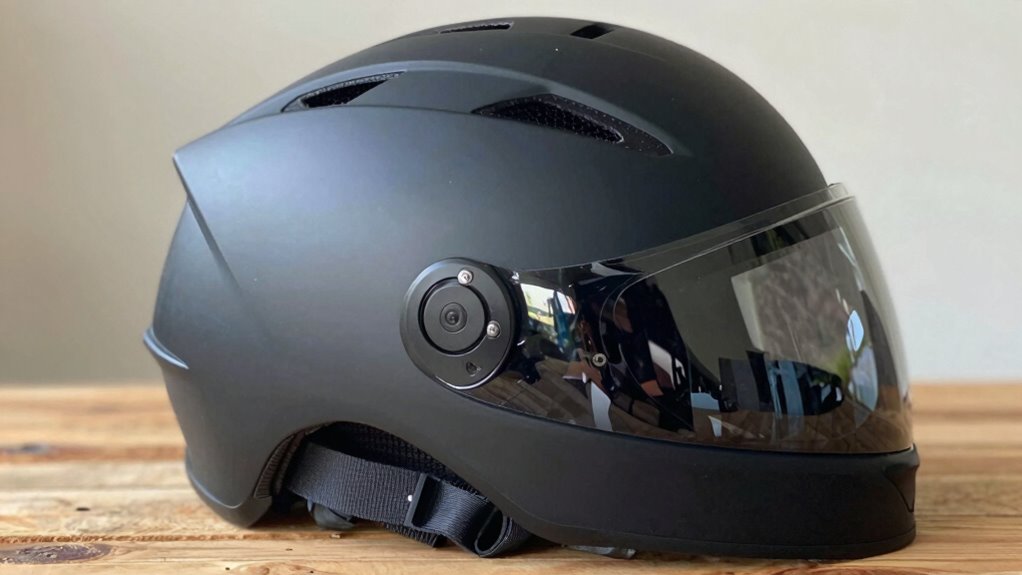
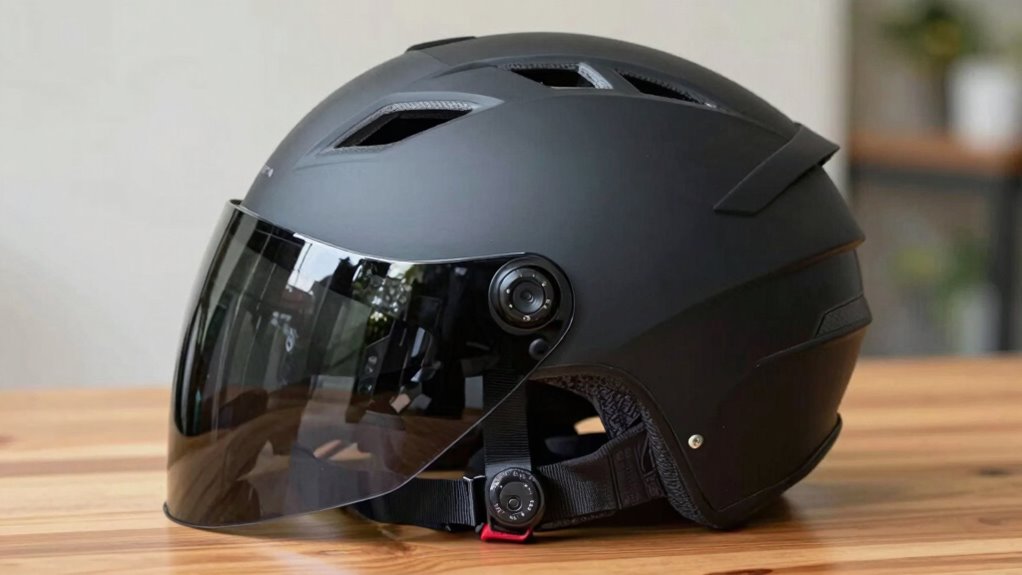
Are you ready to hit the open road? Before you do, choosing the right touring helmet can make all the difference in your long-distance comfort. One of the first things to weigh is helmet ventilation. When you’re on a long ride, your body heats up, and a helmet with good ventilation allows airflow to keep you cool and prevent excessive sweating. Look for helmets with multiple vents that are adjustable; this way, you can customize airflow based on the weather conditions or your personal comfort. Proper ventilation also helps reduce helmet fogging, which is vital when riding in varying climates or during early mornings and late evenings. If your helmet doesn’t breathe well, it can lead to discomfort, fatigue, and even distraction, so prioritize models with well-designed, strategically placed vents. Additionally, consider the helmet’s ventilation system to ensure optimal airflow during your rides. Ensuring the helmet’s ventilation system is effective can significantly improve your riding experience, especially on extended trips. A well-designed ventilation system can also help prevent heat buildup in the helmet’s interior, contributing to overall comfort.
Good ventilation keeps you cool, prevents fog, and enhances comfort on long rides.
Another key feature to pay attention to is visor clarity. When you’re traveling long distances, clear visibility is essential for safety and reducing eye strain. The visor should be scratch-resistant, UV-protected, and offer an anti-fog coating to maintain pristine clarity in different weather conditions. Some helmets come with pinlock inserts or other anti-fog systems that substantially improve visor performance, especially in humid or cold environments. You’ll want a visor that opens easily, allowing quick shifts between riding and stopping without risking damage or smudging. Also, consider the size and shape of the visor—larger visors provide a broader field of view, which enhances safety and situational awareness during your ride.
Comfort is another major factor in choosing a touring helmet. The interior padding should be plush yet firm, providing a snug fit without feeling tight. Look for helmets with removable, washable liners so you can keep your helmet fresh on those extended trips. A well-fitting helmet reduces pressure points and minimizes noise, which can distract or tire you over long hours. Additionally, consider the helmet’s weight—lighter helmets decrease fatigue, especially during multi-day journeys. When selecting a helmet, paying attention to safety certifications can give you peace of mind about its protective capabilities. Keep in mind that a helmet with the right balance of weight and durability can also contribute to long-term comfort and safety.
Finally, think about the helmet’s overall build quality and safety certifications. A durable shell made from lightweight materials like fiberglass or carbon fiber ensures your helmet can withstand impacts while remaining comfortable. When all these elements—helmet ventilation, visor clarity, comfort, and safety—come together, you’ll be better prepared for those long, scenic rides. Choosing the right touring helmet is about balancing these features to guarantee you stay cool, clear-headed, and safe no matter how far the road takes you.
touring motorcycle helmet with adjustable vents
As an affiliate, we earn on qualifying purchases.
As an affiliate, we earn on qualifying purchases.
Frequently Asked Questions
How Often Should I Replace My Touring Helmet?
You should replace your touring helmet every 5 to 7 years, even if it looks fine. Regular helmet maintenance helps guarantee safety, but materials degrade over time. If your helmet sustains a crash, shows signs of damage, or no longer fits well, replace it immediately. Always check that your helmet meets current safety standards, as outdated helmets may not provide adequate protection. Prioritizing timely replacement keeps you safe during long-distance rides.
Are There Specific Helmet Brands Recommended for Long-Distance Touring?
Some top brands for long-distance touring helmets include Shoei, AGV, and Arai. These brands prioritize helmet ventilation, making sure you stay cool on extended rides, and feature noise reduction technology to minimize road noise, enhancing comfort. When choosing, look for models with good airflow and soundproofing, as these factors greatly impact your comfort over long distances. Investing in reputable brands helps guarantee durability and safety during your adventures.
How Do I Ensure a Perfect Fit for Extended Rides?
Think of your helmet as a trusted companion on your journey. To guarantee a perfect fit, focus on helmet ventilation and chin strap adjustment—these keep you comfortable mile after mile. Try on different sizes, and use the adjustable straps to snugly secure the helmet without squeezing. A well-fitted helmet feels like a second skin, reducing fatigue and distractions, so you can enjoy the open road with confidence and ease.
What Accessories Can Enhance Long-Distance Helmet Comfort?
Enhance your long-distance helmet comfort by adding ventilation features that keep you cool and reduce fatigue. Consider installing communication systems for seamless, hands-free communication, which minimizes distractions and boosts safety on extended rides. These accessories improve airflow and allow you to stay connected without compromising comfort. With proper ventilation and reliable communication gear, you’ll enjoy a more comfortable, enjoyable, and stress-free touring experience.
Is a Modular Helmet Better for Long-Distance Touring?
Modular helmets are a great choice for long-distance touring because they offer versatility and convenience. You can easily flip up the chin bar when you need a break or extra ventilation, especially if your helmet has advanced ventilation systems. This flexibility helps keep you comfortable during long rides, reducing fatigue. Plus, their adjustable features allow you to customize airflow and fit, making them a practical option for extended trips.
anti-fog UV protective motorcycle helmet visor
As an affiliate, we earn on qualifying purchases.
As an affiliate, we earn on qualifying purchases.
Conclusion
Choosing the right touring helmet guarantees you’ll ride comfortably mile after mile. Remember, it’s better to be safe than sorry, so don’t cut corners on fit, ventilation, and features. Take your time trying on different options until you find the perfect fit. After all, a good helmet is your trusty sidekick on the open road—keeping you comfortable and protected, so you can enjoy the journey without feeling like you’re chasing your tail.
lightweight fiberglass motorcycle helmet
As an affiliate, we earn on qualifying purchases.
As an affiliate, we earn on qualifying purchases.
removable washable helmet padding
As an affiliate, we earn on qualifying purchases.
As an affiliate, we earn on qualifying purchases.