If your older bike’s clutch slips or drags, start by testing it with the rear brake drag method and check the RPM versus speed to identify the issue. Adjust the clutch free play properly—around ⅛ inch—by tightening or loosening the cable or hydraulic system. Inspect worn or damaged friction plates, springs, or pressure plates, and replace as needed. Keep up with regular maintenance to prevent problems, and stay tuned for detailed steps to fix your clutch effectively.

Get garage and car supplies delivered free — and shop member deals
- Fast, free delivery on millions of items
- Access to Prime Big Deal Days deals on October 6–7
- Prime Video, Amazon Music and more included
Key Takeaways
- Recognize signs of slipping (engine revs increase without speed gain) or dragging (clutch not fully disengaging) through specific tests.
- Adjust clutch free play using cable or hydraulic system settings to ensure proper engagement and disengagement.
- Inspect clutch components like friction plates, pressure plates, and springs for wear, damage, or warping, replacing as needed.
- Regularly check clutch cable tension, fluid levels, and perform rear brake drag tests for accurate diagnosis.
- Troubleshoot issues by analyzing symptoms, inspecting components, and performing proper adjustments to maintain smooth clutch operation.
motorcycle clutch cable adjustment kit
As an affiliate, we earn on qualifying purchases.
As an affiliate, we earn on qualifying purchases.
Recognizing the Signs of a Slipping Clutch

How can you tell if your motorcycle’s clutch is slipping? You’ll notice the engine RPM rising sharply without a corresponding increase in speed, especially in higher gears. This indicates the clutch isn’t fully gripping, causing it to slip under load. You might also feel the bike accelerate unevenly or hear a rattling or grinding noise when you pull the clutch lever or shift gears. Another sign is a loss of power at wide-open throttle; the engine revs up but doesn’t deliver the expected acceleration. Additionally, if you test by dragging the rear brake in gear, and the engine RPM remains high without bogging down, it’s a clear sign of slipping. Recognizing these signs early helps prevent further damage and guarantees timely adjustments. Proper clutch calibration and maintenance are essential for optimal performance and longevity of your bike’s clutch system. Ensuring your clutch components are within manufacturers’ specifications can help extend the lifespan and prevent slipping issues.
hydraulic clutch repair kit for bikes
As an affiliate, we earn on qualifying purchases.
As an affiliate, we earn on qualifying purchases.
Identifying Symptoms of Clutch Dragging

When your motorcycle’s clutch begins to stick or not fully disengage, you’ll notice it moving forward even when you pull the clutch lever fully in. This indicates clutch dragging, where the plates fail to separate completely. You might feel the clutch lever is stiff or hard to pull, or it may feel notchy and require extra effort. Shifting gears can become difficult or feel rough, with resistance or a grind. You may also experience vibrations or shuddering during clutch release or gear changes. The engine might bog down less when dragging the rear brake, or the bike could lurch forward unexpectedly. These signs point to incomplete clutch disengagement, requiring inspection and adjustment to restore proper operation and prevent further damage. Additionally, using appropriate oils and maintaining the clutch components can help prevent or reduce dragging issues. Regularly checking and adjusting the clutch cable or hydraulic system ensures consistent engagement and minimizes clutch slip or drag. Proper lubrication and component maintenance are essential for optimal clutch performance and longevity. Monitoring clutch wear can also help identify early signs of problems before they worsen. Ensuring correct adjustment of the clutch system is vital for smooth operation and to prevent damage to transmission parts.
friction plates for motorcycle clutch
As an affiliate, we earn on qualifying purchases.
As an affiliate, we earn on qualifying purchases.
Adjusting Free Play to Optimize Clutch Performance
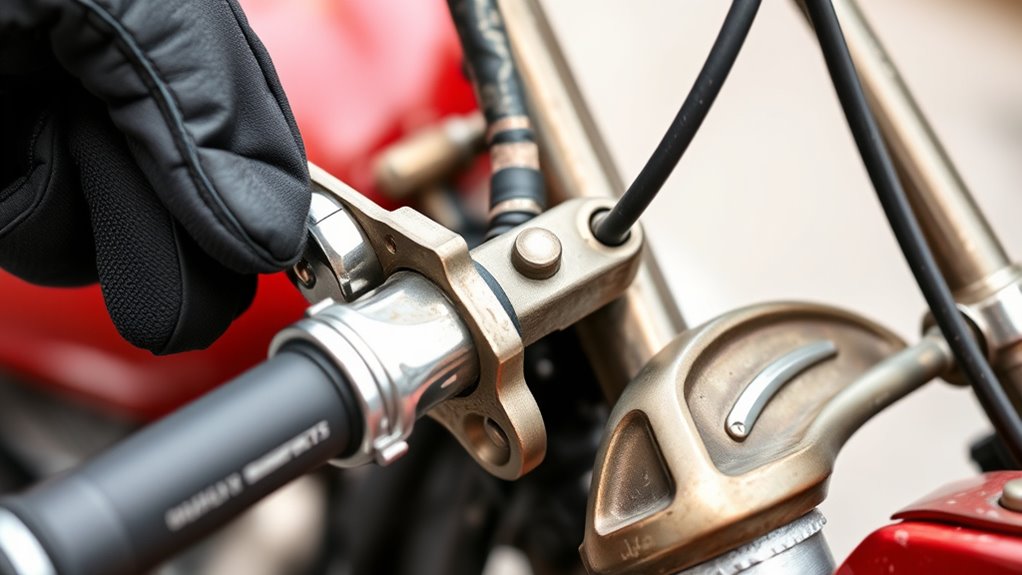
To guarantee your clutch operates smoothly and prevents slipping or dragging, adjusting the free play is essential. Start by locating the clutch lever’s adjustment point, either on the cable or hydraulic system. For cable-actuated clutches, loosen the locknut and turn the adjuster to create about an eighth of an inch of free play at the lever’s end. If your bike has a hydraulic clutch, check the bleed screw and fluid level, then adjust the pushrod or master cylinder as needed. Proper free play ensures the clutch fully disengages without dragging or slipping. Regularly checking and maintaining free play keeps your clutch responsive and prolongs component life. Additionally, ensuring proper clutch hydraulics and water chemistry can contribute to smoother operation and prevent issues related to contamination or corrosion. For optimal performance, inspect the clutch cable regularly for fraying or damage and replace it if necessary. After adjustments, test the lever feel and perform a rear brake drag test to confirm correct operation.
motorcycle clutch spring replacement
As an affiliate, we earn on qualifying purchases.
As an affiliate, we earn on qualifying purchases.
Inspecting and Replacing Worn Clutch Components

Regular inspection of your clutch components is essential for maintaining peak performance, especially in older bikes. Remove the clutch cover to access the friction plates, pressure plate, and springs. Look for signs of wear such as glazing, scoring, or warping on the friction plates. Check the pressure plate for cracks or warping, and measure the thickness of clutch plates against specifications. Worn or broken springs can cause slipping or dragging, so replace them if they’re sagging or damaged. Inspect the clutch release bearing for smooth operation and signs of damage. If you notice excessive wear, warping, or damage, replace the affected parts with quality replacements. Proper inspection helps prevent further damage and ensures your clutch engages and disengages smoothly. Additionally, reviewing clutch adjustment can further improve performance and extend the lifespan of your clutch system. Performing regular maintenance routines tailored to your bike’s specific needs can also help identify issues early and maintain optimal functionality.
Correct Maintenance Practices for Older Clutch Systems
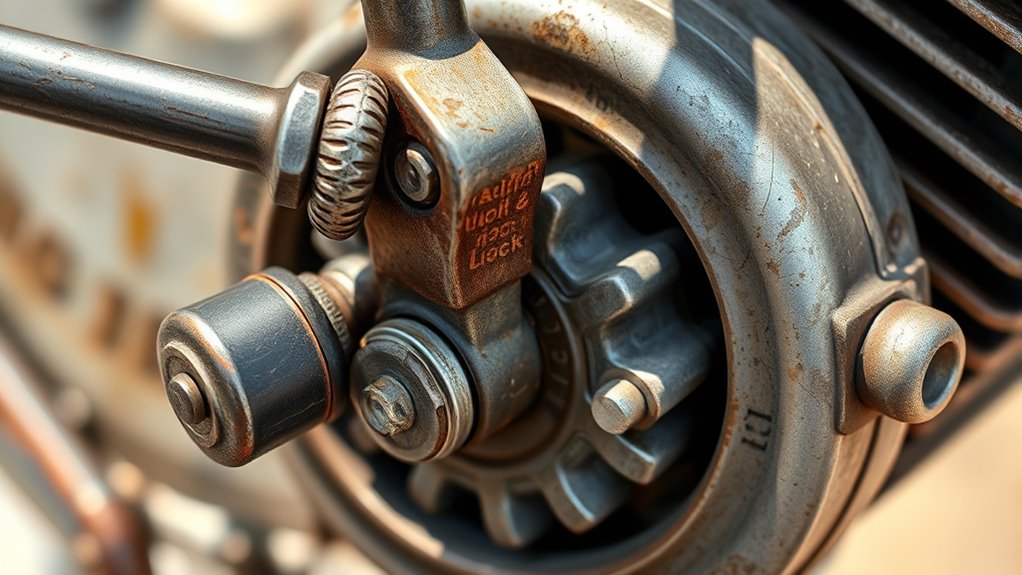
To keep your older clutch working smoothly, you need to regularly check and adjust the free play to guarantee proper disengagement. Inspect the friction plates for any signs of glazing, scoring, or wear, and replace them if necessary. Staying on top of these maintenance tasks helps prevent slipping and dragging issues before they become major problems. Additionally, understanding the thermal behavior of clutch components can help you identify overheating issues that may lead to faster wear or failure. Monitoring clutch temperature during operation can provide early warnings of potential problems, allowing for timely adjustments. Proper lubrication body jewelry measurements can also reduce friction and prolong the lifespan of your clutch components, especially in Free Floating systems where movement is less restricted. Recognizing the net worth of your maintenance investments can help you plan for replacements and upgrades effectively.
Regular Free Play Checks
Maintaining proper free play in your clutch lever is essential for preventing slipping or dragging, especially on older bikes. You should check the free play regularly to verify it matches your motorcycle’s specifications, usually about an eighth of an inch. To do this, pull the clutch lever gently and observe how much movement occurs before resistance is felt. If the free play is too tight, the clutch may not fully disengage, causing drag. If it’s too loose, the clutch might slip under load. Adjust the free play by turning the adjuster at the lever or the cable until you achieve the correct amount. Regular checks help you catch issues early, ensuring smooth operation and prolonging the life of your clutch components.
Friction Plate Inspection
Inspecting your clutch’s friction plates is a crucial step in maintaining older bikes, especially since worn or damaged plates can lead to slipping or dragging. Remove the clutch cover and carefully take out the plates. Examine each for signs of glazing, scoring, or warping. Glazed plates look shiny and smooth, indicating overheating, while scoring shows deep grooves that reduce grip. Measure their thickness against the manufacturer’s specifications; excessive wear lowers friction and causes slip. Check for broken or cracked plates, which can cause inconsistent engagement. Replace any worn or damaged friction plates with quality parts. Clean all components thoroughly before reassembling. Proper inspection ensures your clutch operates smoothly, preventing issues like slipping or dragging that compromise your bike’s performance and safety. Additionally, understanding the importance of security zone info can help protect your home and belongings from potential threats. Regular clutch maintenance can extend the lifespan of your older bike’s clutch system and ensure reliable performance. Incorporating proper lubrication during reassembly can further reduce wear and improve clutch response for better riding experience. For optimal results, consider using essential oils known for their soothing and antimicrobial properties to keep your workspace clean and free of bacteria during maintenance.
Testing Clutch Condition Effectively
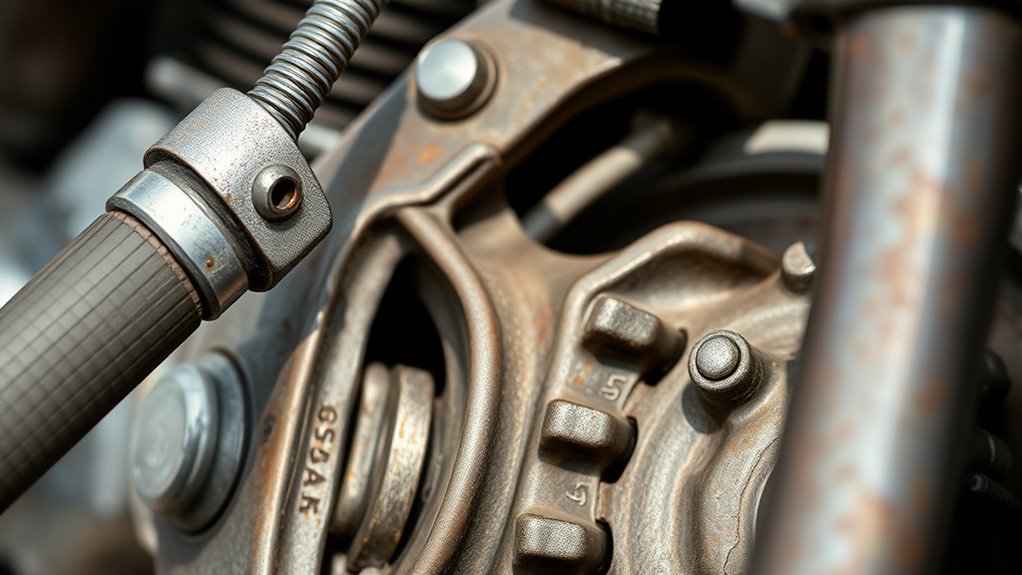
To test your clutch condition accurately, start with the rear brake drag test—if the engine doesn’t bog down when you pull the brake in gear, slip or drag may be present. Next, check RPM versus speed in top gear; disproportionate RPM increases suggest slipping. Additionally, inspecting clutch cable tension and ensuring proper ventilation can help prevent overheating and prolong clutch life. Proper clutch adjustment ensures smooth operation and can prevent premature wear. Regular maintenance practices also contribute significantly to maintaining clutch performance over time. Monitoring clutch plate wear is essential, as worn plates can lead to slipping and decreased efficiency. Moreover, performing visual inspections regularly can help identify early signs of damage or maladjustment before serious issues develop.
Rear Brake Drag Test
The rear brake drag test is a straightforward method to evaluate your clutch’s condition by observing how the engine responds when the clutch is fully engaged and the rear brake is applied. First, shift into a high gear, such as 5th or 6th, and pull the clutch lever fully in. Then, gently apply the rear brake while keeping the clutch engaged. If the engine RPM remains steady or drops only slightly, your clutch is likely slipping. However, if the engine bogs down or stalls quickly, it indicates good clutch disengagement. Conversely, if your bike continues to move forward with minimal brake application, it suggests clutch drag. This simple test helps identify whether your clutch is slipping or dragging and guides your next steps in troubleshooting or adjustments.
RPM Vs Speed Check
Performing an RPM versus speed check is an effective way to evaluate your clutch’s condition during normal riding. To do this, accelerate smoothly in top gear and observe the RPM at a steady speed. If the RPM rises disproportionately compared to speed, your clutch may be slipping. Conversely, if the engine struggles to maintain RPM or the bike moves forward without a corresponding RPM increase, it could indicate clutch drag.
| Gear | Expected RPM at 60 mph | Signs of Slipping or Dragging |
|---|---|---|
| 5th/6th | 4,000-5,000 rpm | RPM too high for current speed (slip) |
| 5th/6th | 2,500-3,500 rpm | RPM too low, engine bogs (drag) |
| All | Steady RPM | Proper clutch engagement |
| All | Fluctuating RPM | Possible clutch issue or maladjustment |
Clutch Noise & Feel
Listening for unusual noises and feeling for irregular vibrations when operating your clutch can provide valuable insights into its condition. Rattling, grinding, or pulsations may indicate worn or damaged friction plates, a warped pressure plate, or a failing release bearing. A stiff or notchy feel often signals excessive wear or improper adjustment. If the clutch lever feels too loose or too tight, it can cause slipping or dragging, respectively. Pay attention to how smoothly the clutch engages and disengages; jerky or uneven action suggests internal issues. Unusual noises or vibrations are early warning signs that parts need inspecting or replacing. Regularly testing the clutch’s feel and listening for abnormal sounds helps catch problems early, preventing more extensive damage and ensuring safe, smooth operation.
Troubleshooting Common Clutch Issues in Older Bikes
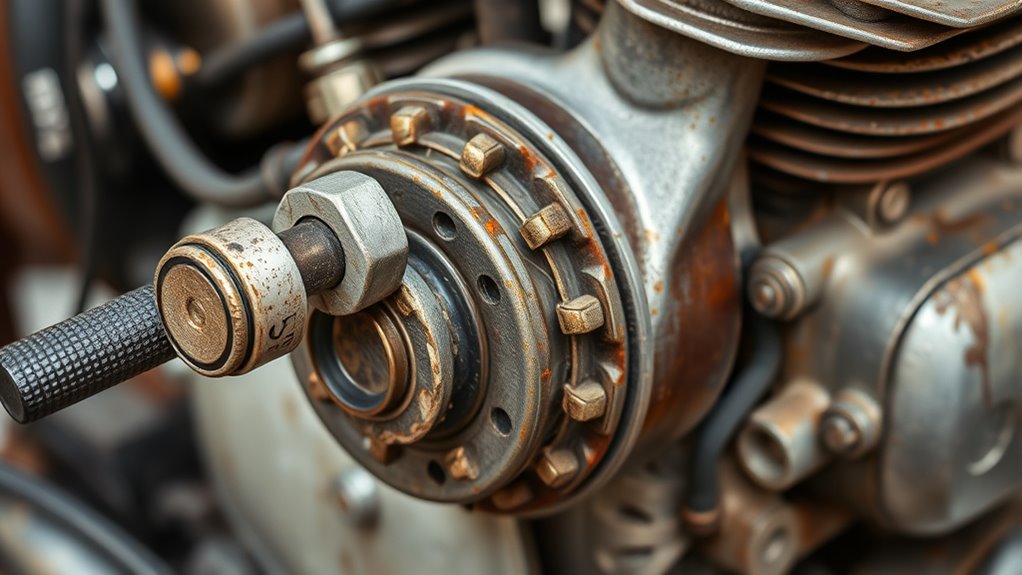
Troubleshooting clutch issues on older bikes often starts with identifying whether the problem is slipping or dragging. Once you determine the issue, you can focus on specific fixes. Check for signs like engine RPM rising without acceleration, indicating slipping, or the bike moving with the clutch pulled, suggesting drag. You should also listen for unusual noises or feel vibrations during operation. To troubleshoot effectively:
- Inspect clutch free play and adjust to manufacturer specs.
- Examine friction plates for glazing, scoring, or wear, replacing them if needed.
- Check clutch springs and replace if they’re worn or weak.
Additionally, look for damaged components like the release bearing or pressure plate. Proper diagnosis guarantees you target the right cause and restore smooth clutch operation.
Preventative Measures to Extend Clutch Life
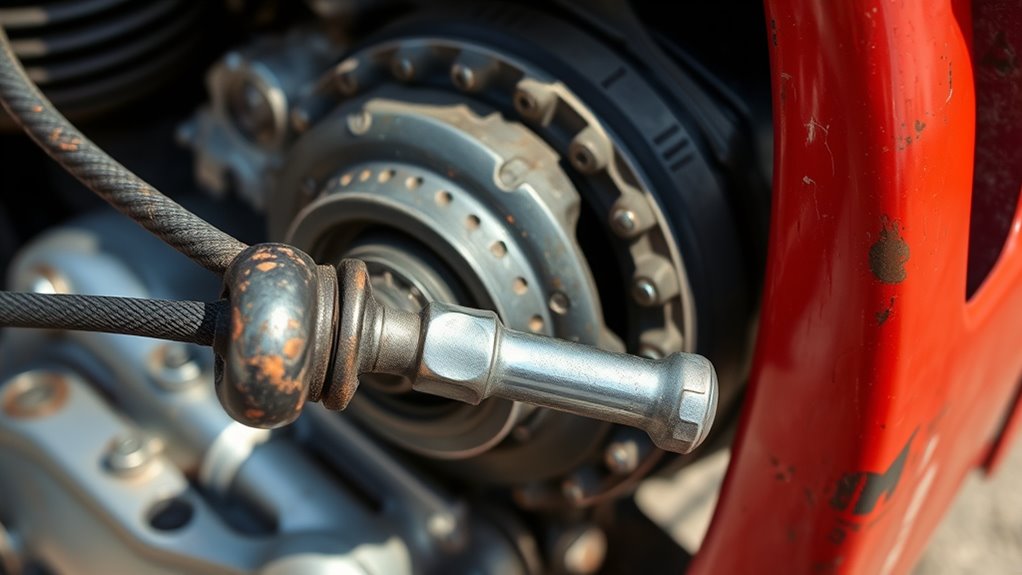
Regular maintenance is essential to prevent premature clutch wear and extend its lifespan on older bikes. Start by regularly checking and adjusting the clutch free play according to your bike’s manual—about an eighth of an inch is typical. Inspect friction plates for glazing, scoring, or thinning; replace them if needed to maintain proper grip. Replace clutch springs periodically to keep tension balanced and avoid slipping. Keep the clutch mechanism clean and lubricated where specified to reduce unnecessary wear and heat buildup. After heavy riding or prolonged clutch slipping, allow the clutch to cool down to prevent warping. For hydraulic or cable-actuated systems, regularly inspect and adjust the clutch cable or fluid levels. These steps help prevent heat damage, uneven wear, and ensure smoother operation, prolonging your clutch’s life.
Frequently Asked Questions
Can Clutch Slipping or Dragging Cause Engine Overheating?
Yes, clutch slipping or dragging can cause engine overheating. When the clutch slips, it generates excess heat due to friction, which can transfer to the engine and transmission. Dragging clutches keep pressure on the engine, causing unnecessary strain and heat buildup. Over time, this heat can damage clutch components and decrease engine efficiency. Regularly adjusting your clutch and replacing worn parts helps prevent overheating and prolongs your bike’s lifespan.
How Often Should I Replace Clutch Springs on an Older Bike?
You should replace your clutch springs every 15,000 to 20,000 miles or when you notice signs of wear like slipping, dragging, or difficulty shifting. Regular inspections are key—check for weakened tension, corrosion, or damage. If your clutch feels less responsive or the lever becomes harder to pull, it’s time to replace the springs to maintain proper engagement and prevent further wear. Always follow your bike’s service manual for specific guidelines.
What’s the Impact of Using Heavy-Duty Springs on Clutch Wear?
Using heavy-duty springs can put extra stress on your clutch components, leading to faster wear of friction plates and pressure plates. The increased spring tension forces the clutch to engage more aggressively, which can cause overheating and warping over time. If you choose heavy-duty springs, make sure your clutch system is properly maintained, and consider replacing worn parts more frequently to prevent premature failure.
Can Improper Clutch Adjustment Damage Other Transmission Components?
Improper clutch adjustment can silently damage your transmission, just like neglecting regular maintenance. When you don’t set the clutch free play correctly, it puts extra strain on the gearbox, shift forks, and bearings, causing premature wear or failure. This misalignment leads to gears grinding, increased friction, and possible transmission failure. Stay proactive—adjust your clutch properly to protect your entire transmission system from avoidable damage and costly repairs.
Is It Necessary to Replace the Entire Clutch Assembly if Issues Persist?
You don’t always need to replace the entire clutch assembly if issues persist. Often, adjusting the clutch free play, replacing worn friction plates, or upgrading springs can resolve slipping or dragging problems. However, if components like the pressure plate or release bearing are severely damaged or warped, then replacing the whole clutch assembly is necessary. Regular maintenance and inspections can help you determine if a full replacement is truly needed.
Conclusion
Remember, a well-maintained clutch isn’t just about smooth rides; it’s about trusting your bike’s heart. Some say that neglecting clutch care can mirror neglecting your own machine’s needs, leading to bigger problems down the road. By staying attentive and addressing issues early, you keep your bike reliable and extend its lifespan. Ultimately, caring for your clutch reflects your respect for your bike’s longevity—and in turn, your own riding experience.
Fall Picks
fall essentials
As an affiliate, we earn on qualifying purchases.