
If your engine shows startup smoke, it’s likely caused by oil leaking past worn valve seals, which usually clears once the engine warms up. Continuous smoke, however, points to worn piston rings that allow oil to burn during regular operation, leading to persistent smoke. Diagnosing these issues correctly helps you prioritize repairs and prevent further engine damage. To understand how to distinguish between these causes and get your engine back in shape, keep exploring the details ahead.
Key Takeaways
- Startup smoke, typically blue and short-lived, indicates oil leaking past valve seals, especially when the engine is cold.
- Continuous smoke during operation suggests worn piston rings, allowing oil to burn constantly in the combustion chamber.
- Valve seal issues cause oil consumption and blue smoke mainly during startup, whereas worn rings cause persistent smoke and increased oil use.
- Diagnostic tests differentiate between valve seal leaks and piston ring wear to determine the correct repair approach.
- Addressing valve seal problems is usually less costly, while piston ring issues require more extensive, costly repairs.
Startup smoke typically appears when you first start your vehicle. If you notice blue smoke during startup, it often indicates that oil is leaking into the combustion chamber, which is a sign of worn valve seals or valve guide issues. Valve seals are designed to prevent oil from entering the cylinders, but over time, they can become brittle or damaged, especially if the engine runs infrequently or is exposed to extreme temperatures. This kind of smoke doesn’t usually persist once the engine warms up, but the presence at startup suggests oil is seeping past the seals. This can accelerate oil consumption, leading to more frequent top-offs and potential long-term damage if ignored. While oil consumption rises, engine longevity can be compromised because burning oil leaves deposits that can foul spark plugs, clog piston rings, and cause additional wear. Proper diagnostics can help determine whether valve seals or piston rings are the primary cause of the issue, ensuring appropriate repairs. Continuous smoke, on the other hand, occurs during normal operation and is often associated with more severe issues. If you see blue smoke consistently while driving, it might point to worn piston rings. Unlike valve seals, piston rings are responsible for sealing the combustion chamber and maintaining compression. When they wear out, oil can slip past into the combustion chamber during every cycle, causing ongoing oil burning. This persistent smoke indicates a deep-seated problem that’s more costly and complex to repair. The constant burning of oil not only increases oil consumption but also accelerates engine wear, reducing overall engine longevity. The excess oil can foul the catalytic converter, lead to increased emissions, and cause long-term damage to engine components.
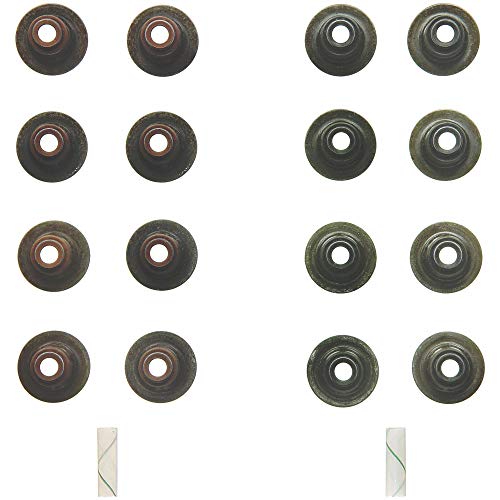
FEL-PRO SS 71039 Engine Valve Stem Oil Seal Set for Chevrolet Silverado 1500
GET THE RIGHT PART — Before purchasing, please check the “Amazon Confirmed Fit” bar to ensure this part…
As an affiliate, we earn on qualifying purchases.
As an affiliate, we earn on qualifying purchases.
Frequently Asked Questions
Can Valve Seal Leaks Cause Engine Misfires?
Yes, valve seal failure can cause engine misfires. When valve seals leak oil into the combustion chamber, it leads to oil leakage that can foul spark plugs and disrupt the combustion process. This misfiring reduces engine efficiency and may cause rough idling or hesitation. If you notice oil consumption or misfires, check for valve seal issues, as leaking seals are a common culprit and can be repaired to restore proper engine function.
How Does Oil Consumption Differ Between Valve Seal and Piston Ring Issues?
You’ll notice that oil consumption is generally higher with piston ring issues because rings directly control oil and combustion gases. Valve seal leaks tend to cause oil burning mainly during startup, leading to smoke but less significant oil loss afterward. To diagnose, use compression tests for rings and visual or smoke tests for valve seals. This helps you pinpoint whether rings or seals are the main culprit behind oil consumption.
Are There Specific Driving Habits That Worsen Smoking Problems?
You can worsen smoking problems by frequently accelerating hard and idling your engine for long periods. Rapid acceleration increases oil consumption and stress on valve seals or piston rings, making smoke more noticeable. Similarly, extended engine idling allows oil to seep past worn seals or rings, causing continuous smoke. To reduce the issue, avoid aggressive driving and limit long idle times, helping your engine stay healthier and smoke less.
What Are the Long-Term Engine Damage Risks From Each Issue?
Think of your engine as a ticking time bomb; ignoring valve repair or ring replacement can cause serious damage. Valve seal leaks lead to burning oil, causing piston damage over time. Worn piston rings allow blow-by, damaging the cylinders and decreasing compression. Long-term, these issues can cause costly engine failure, so addressing them early safeguards your engine’s health and keeps it running smoothly for miles to come.
How Accurate Are Visual Inspections in Diagnosing Smoke Sources?
Visual inspection offers a quick way to identify smoke sources, but it has diagnostic limitations. You might spot obvious leaks or oil residue, but subtle issues like worn valve seals or ring damage often require more detailed tests. Relying solely on visual inspection can lead to misdiagnosis, so combining it with other diagnostic methods guarantees a more accurate assessment of whether valve seals or rings are causing the smoke.

Socpuro Auto Engine Piston Ring Compressor Tool Set with Piston Installer Pliers and 14 Piston Rings(62-145mm) for Car Truck Auto Engine
【Professional Tools】 Socpuro piston ring repair Kit is designed to fit piston rings in compression cylinders, with fine…
As an affiliate, we earn on qualifying purchases.
As an affiliate, we earn on qualifying purchases.
Conclusion
Think of startup smoke as dawn’s gentle mist—brief and fading as the day begins, signaling healthy valve seals. Continuous smoke, on the other hand, is like a persistent storm cloud—looming and dark, hinting at worn rings. Recognize these signs as your vehicle’s way of whispering its story. Address them promptly, and you’ll clear the skies in your engine’s horizon, ensuring a smooth journey ahead. Your car’s health is the sunrise after every dark night.
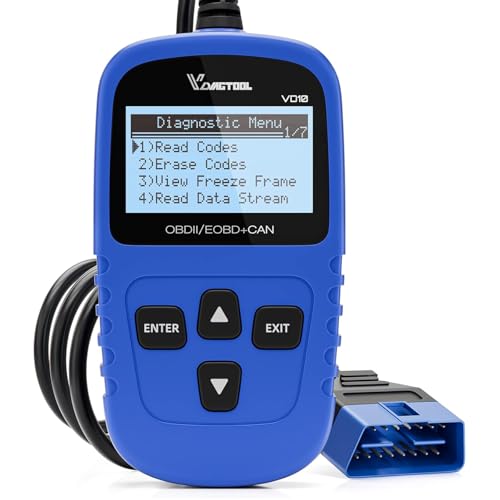
VDIAGTOOL VD10 OBD2 Scanner Code Reader Car Diagnostic Tool Engine Fault Code Reader for Turn Off CEL with Freeze Frame/I/M Readiness for All OBDII Protocol Cars, OBD2 Scanner Diagnostic Tool
【A MUST-HAVE TOOL FOR DIYERS】 – VDIAGTOOL VD10 car code reader is an incredibly useful obd scanner for…
As an affiliate, we earn on qualifying purchases.
As an affiliate, we earn on qualifying purchases.

AutoLine Pro HyperSmoke™ Automotive Smoke Machine EVAP Vacuum Leak Tester – Adjustable Pressure – OEM Approved Smoke Fluid – Built-in Air Compressor Motor – Includes Cone and Gas Cap EVAP Adapter.
HyperSmoke Technology – Creates Thick Visible Smoke for Easy Leak Testing. Adjustable Pressure. Infinite Smoke. Instant Warmup. Built-In…
As an affiliate, we earn on qualifying purchases.
As an affiliate, we earn on qualifying purchases.