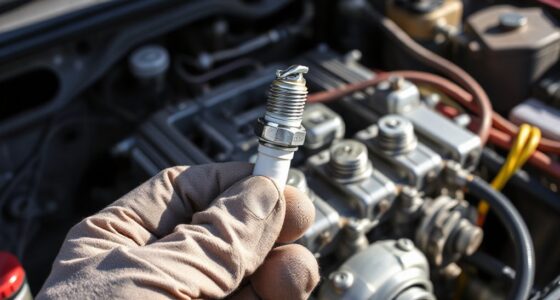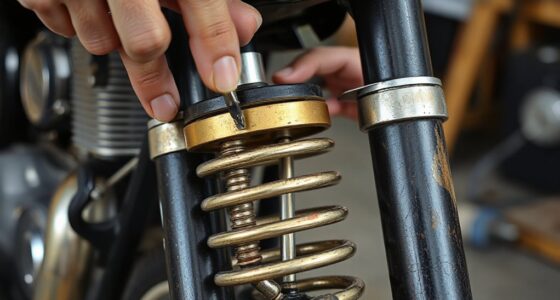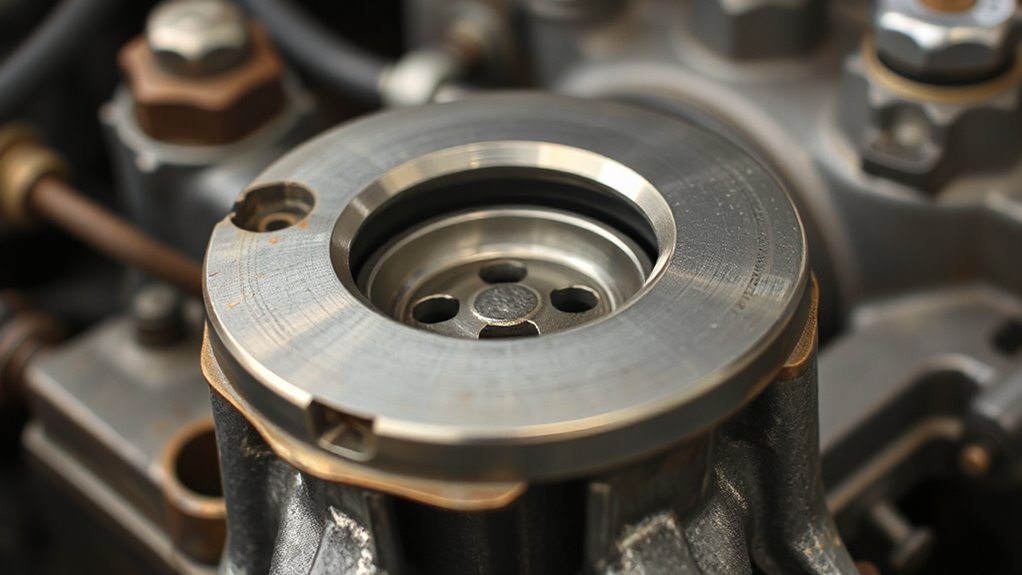

To guarantee your vintage engine runs smoothly on unleaded gasoline, installing hardened valve seats is essential. These upgraded components withstand the lack of lead’s lubricating properties, preventing valve seat wear and damage. Many aftermarket options are available, designed specifically for classic engines. Proper installation and choosing the right materials can prolong engine life and maintain performance. If you want to learn more about how hardened valve seats protect your vintage ride, keep exploring your options.
Key Takeaways
- Hardened valve seats are designed to withstand the lack of lead lubrication in unleaded fuels.
- Installing hardened valve seats prevents valve seat erosion in vintage engines running on unleaded gas.
- Compatibility of hardened seats with existing engine materials ensures durability and optimal performance.
- Proper installation and material selection extend engine lifespan and maintain vintage engine integrity.
- Combining hardened valve seats with suitable additives helps preserve engine components and prevent wear.
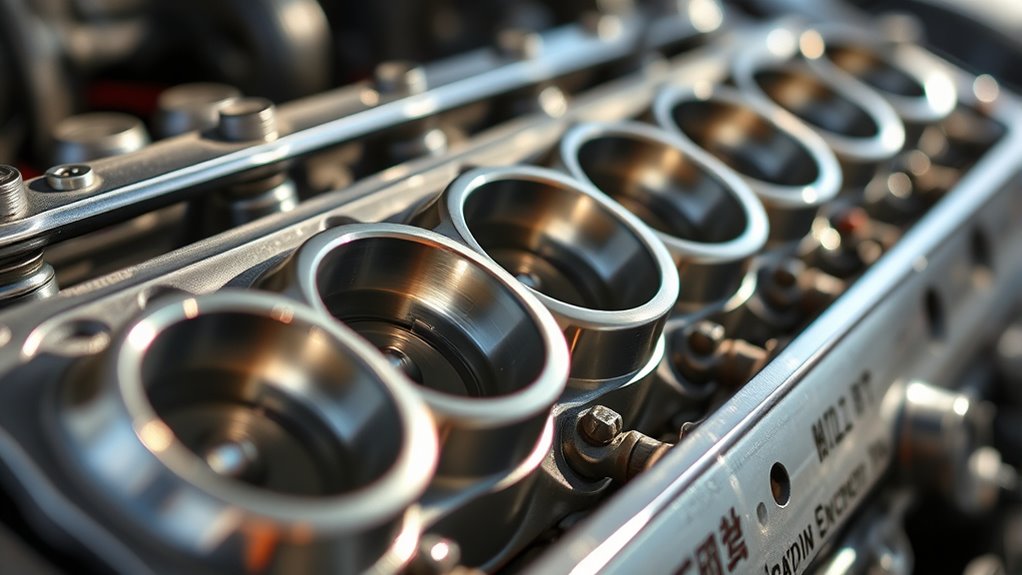
Have you ever wondered how switching to unleaded gas can benefit your vehicle and the environment? When you make the switch, you’re not just doing your part to reduce emissions—you’re also adapting to changes in fuel formulations and regulations that have evolved over time. Historically, fuel regulations have shifted markedly, especially as governments around the world began banning leaded gasoline to protect air quality and public health. These regulations, known as historical fuel regulations, mandated the removal of lead from gasoline, which previously served as a lubricant for engine components like valve seats. As a result, engines built for leaded fuel started experiencing increased wear, particularly in vintage engines with soft valve seats.
Switching to unleaded gas reduces emissions and responds to evolving fuel regulations.
This is where understanding fuel additive compatibility becomes essential. Many older engines rely on soft valve seats that were originally designed to work with leaded gasoline. When you switch to unleaded fuel, these seats lose their natural lubricant, which can cause them to deteriorate faster. To combat this, fuel additive compatibility becomes paramount. Certain fuel additives are formulated to restore lubrication and protect these delicate parts, helping you preserve the engine’s integrity. Additives containing compounds like manganese or other lubricants can be added to unleaded fuel to mimic the lubricating properties of leaded gas, extending the life of your valve seats and reducing the need for costly repairs.
Choosing the right fuel and additives isn’t just about compatibility; it’s about understanding the implications of moving away from leaded fuel. While unleaded gasoline is now the standard due to its environmental benefits, it requires adjustments to your engine maintenance routine. Modern regulations have phased out leaded gasoline because of its health and environmental hazards, but this shift posed challenges for vintage engines. Many classic cars were built with materials and designs that depended on lead’s lubricating qualities. In response, aftermarket solutions, like hardened valve seats, were developed to withstand the absence of lead and guarantee these engines continue to run smoothly.
In essence, adapting your vintage engine to unleaded fuel involves more than just choosing the right gasoline; it requires an awareness of fuel additive compatibility and the impact of historical fuel regulations. Attention to detail and proper maintenance routines are essential to ensure your engine remains reliable over time. By understanding these factors, you can make informed decisions that extend your engine’s lifespan while contributing to cleaner air and a healthier environment. Proper maintenance, combined with the right additives and compatible fuels, allows you to enjoy your vintage vehicle without sacrificing performance or environmental responsibility.

PRAZTECH 10pcs Engine Valve Seat & Face Cutter with Stem Pilots | Exhaust Inlet | Wooden Box | Vintage Cars & Bikes | Automotive Hand Tool DIY
Set Includes 70 / 20 Degree Bore Cutter : 1 ¼”, 1 ½”
As an affiliate, we earn on qualifying purchases.
As an affiliate, we earn on qualifying purchases.
Frequently Asked Questions
Can Hardened Valve Seats Be Installed on Any Vintage Engine?
You can install hardened valve seats on many vintage engines, but engine compatibility varies. Some engines have cylinder heads designed for this upgrade, while others pose installation challenges due to their design or condition. It’s crucial to assess your engine’s specific model and consult with a specialist to verify proper fit and functionality. Proper installation guarantees reliable performance, especially when using unleaded fuel, preventing damage and extending your engine’s life.
How Long Do Hardened Valve Seats Typically Last?
Hardened valve seats can last over 100,000 miles with proper maintenance. Typically, valve seat materials like tungsten or hardened steel withstand wear and tear, making them ideal for vintage engine restoration techniques. You’ll find that these durable materials considerably extend engine lifespan, especially when combined with regular inspections. Investing in high-quality valve seats ensures your engine remains reliable, preserving its performance for years to come.
Are There Aftermarket Options for Hardened Valve Seats?
Yes, you can find aftermarket options for hardened valve seats that suit your vintage engine. These upgrades are designed to improve durability and are compatible with a wide range of engine types. When selecting aftermarket hardened valve seats, make sure to check engine compatibility to guarantee a proper fit and maximum performance. Installing these can extend your engine’s lifespan and help it run smoothly on unleaded fuel.
What Is the Cost Difference Between Stock and Hardened Valve Seats?
You might be surprised by the cost comparison—hardened valve seats typically cost more than stock ones. Material costs for hardened seats can range from $20 to $50 per seat, depending on quality and material. While stock seats are cheaper initially, investing in hardened seats can save you money long-term, preventing costly repairs. The difference influences your engine’s durability, making it a vital decision for vintage engine enthusiasts.
Will Hardened Valve Seats Affect Engine Performance?
Hardened valve seats won’t negatively affect your engine performance; in fact, they improve it by allowing you to run unleaded fuel without damaging your valves. You’ll notice better fuel efficiency and emissions reduction, helping your vintage engine stay reliable and environmentally friendly. These upgrades ensure smoother operation, reduce valve seat recession, and extend engine lifespan, making them a wise choice for maintaining performance and adhering to modern fuel standards.

VP Racing Fuels 29505, Madditive Octanium Unleaded Octane Booster – Quart (Pack of 1)
One bottle treats up to 10 gallons of fuel (38 Liters)
As an affiliate, we earn on qualifying purchases.
As an affiliate, we earn on qualifying purchases.
Conclusion
Remember, a stitch in time saves nine. Upgrading your vintage engine with hardened valve seats guarantees you avoid costly repairs and keep your classic running smoothly. By choosing the right solutions, you’re preserving its character and performance for years to come. Don’t wait until problems arise—proactive maintenance is always wiser. Embrace these upgrades, and you’ll enjoy your vintage ride without worry, proving that with the right care, old favorites can still shine bright on the road.
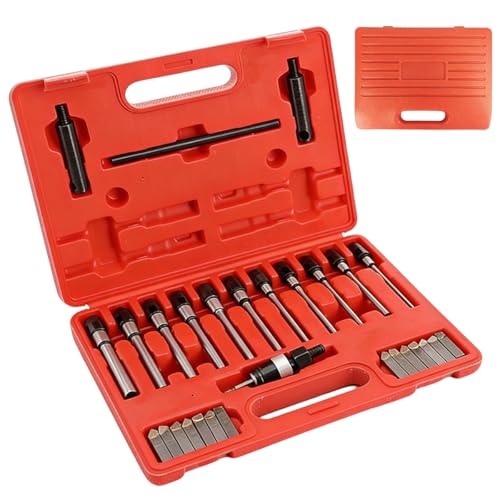
Pansente 29-Piece Valve Seat Cutter Set 22-63mm Valve Seat Cutter Kit 15°-90° Angle Reamer Tools Suitable for Automotive Repair and Tuning
Complete 29-Piece Professional Kit: This all-encompassing valve seat cutter set arrives ready for action. It includes 14 cutter…
As an affiliate, we earn on qualifying purchases.
As an affiliate, we earn on qualifying purchases.

056-154 Replacement Tecumseh Float Valve Kit, Carburetor Needle Seat Bowl Gasket Rebuild Repair Kit, Replace Tecumseh 631021 631021B 631021A V40 V50 V60 VM80 H30, Carburetor Float Valve Needle Seat
Core Product Identification: This 056-154 Replacement Tecumseh Float Valve Kit is a comprehensive Carburetor Needle Seat Bowl Gasket…
As an affiliate, we earn on qualifying purchases.
As an affiliate, we earn on qualifying purchases.