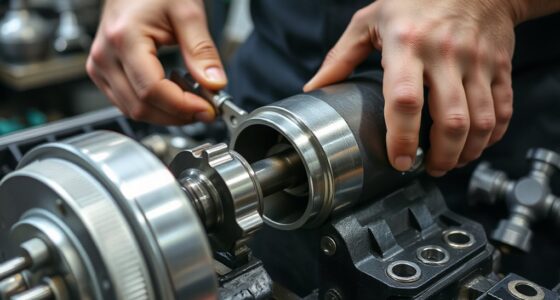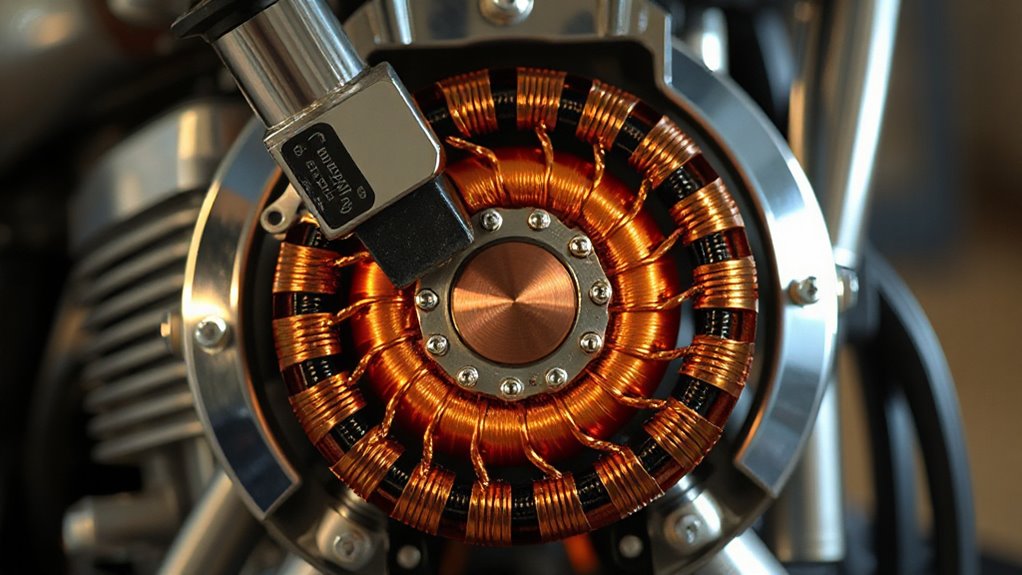
Upgrading your stator for a high-output charging system boosts your vehicle’s electrical capacity, making it ready for extra accessories and high-demand components. Choose an aftermarket alternator designed for higher amperage and verify it fits securely to avoid issues. Upgrade wiring with thicker gauge cables and quality connectors to handle the increased current safely. Proper installation and testing are key to reliability. Keep exploring to discover detailed steps and tips for a seamless upgrade.

Get business pricing on garage and car supplies
- Business-only prices and quantity discounts
- Tax-exempt purchasing
- Multiple users, one account, clear invoices
Key Takeaways
- Select a high-output stator designed for increased electrical capacity compatible with your vehicle.
- Ensure proper mounting and fitting to prevent slippage and wear, following manufacturer specifications.
- Upgrade wiring with thicker gauge cables and high-quality connectors to handle additional current safely.
- Incorporate protective components like fuses or circuit breakers rated for higher amperage.
- Thoroughly test the upgraded system for voltage stability and performance after installation.
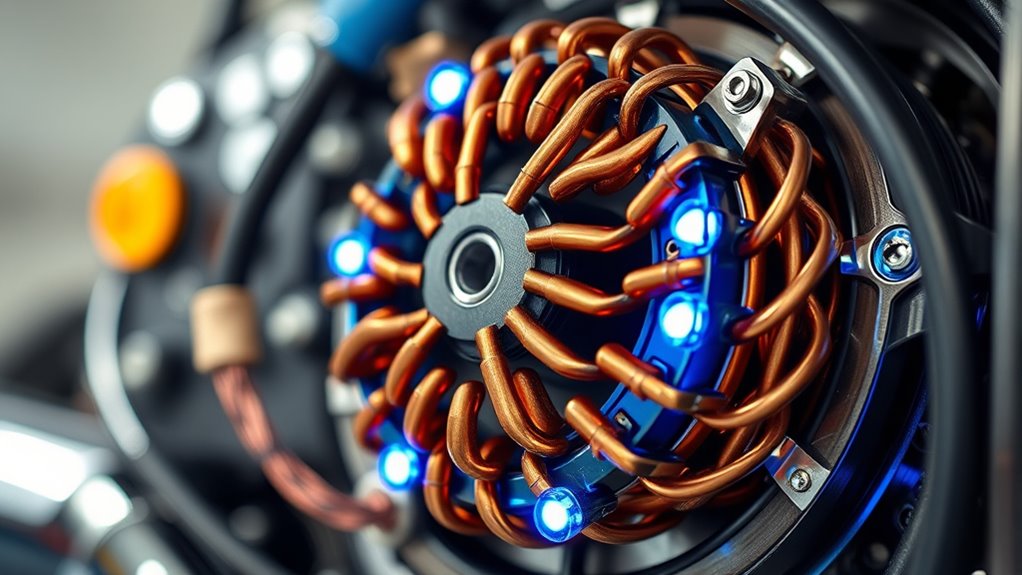
High-output charging systems are vital for powering modern vehicles and equipment that demand more electrical energy than standard systems can provide. If you’re looking to improve your vehicle’s electrical capacity, upgrading your alternator is a smart move. Alternator upgrades allow you to generate more current, supporting additional accessories, high-performance lighting, or specialized equipment without risking power shortages. When tackling these upgrades, wiring enhancements become just as important as selecting the right alternator. Upgrading your wiring ensures that the increased electrical output flows efficiently and safely throughout your system, preventing overheating or wiring failures that could compromise your setup.
Upgrading your alternator and wiring boosts electrical capacity and safety for modern vehicle accessories.
The first step in boosting your system’s output involves choosing an alternator designed for higher performance. Many aftermarket options are available that can produce significantly more amperage than your stock unit. Once you’ve selected an appropriate high-output alternator, you need to think about wiring enhancements. Standard wiring may not handle the increased current, which can lead to voltage drops, reduced efficiency, or even electrical fires. Upgrading to thicker gauge wires and high-quality connectors ensures that the increased power is delivered reliably and safely to all your devices. Additionally, proper wiring enhancements can help reduce electrical resistance, improving overall system efficiency and longevity.
You should also pay attention to your existing wiring harness. Sometimes, it’s necessary to replace or reinforce sections of wiring that are old, corroded, or undersized. Proper wiring enhancements include adding fuse blocks or circuit breakers rated for the higher current load. This protective measure prevents damage to your vehicle’s electrical system in case of a short circuit or overload. When installing new wiring, make sure connections are tight and secure, and use quality terminals to reduce resistance and prevent future corrosion.
Additionally, upgrading your alternator and wiring may require modifications to your vehicle’s mounting brackets and belt system. Ensure that the new alternator fits properly and that the drive belt maintains proper tension. Proper installation is key to preventing slippage or premature wear. After completing your alternator upgrade and wiring enhancements, it’s vital to test the system thoroughly. Check for voltage stability at various points and monitor the temperature of wires and connectors during operation. This helps you identify potential issues early, ensuring your system performs reliably.
In short, upgrading your alternator combined with wiring enhancements can dramatically boost your vehicle’s electrical capacity. This allows you to run more accessories, enjoy brighter lighting, or support high-power audio systems without worry. Just remember, a well-planned upgrade involves selecting the right components, reinforcing your wiring, and installing everything carefully for maximum performance and safety. Paying attention to electrical safety and following proper installation procedures will help you achieve a reliable and efficient upgrade.
Frequently Asked Questions
Will Upgrading My Stator Affect My Motorcycle’s Warranty?
Upgrading your stator can affect your manufacturer warranty, especially if it’s considered an aftermarket modification. Manufacturers may view it as altering the original equipment, which could void certain warranty coverage. To avoid issues, check your motorcycle’s warranty terms and consult your dealer before making upgrades. If done carefully and with quality parts, some manufacturers might not void your warranty, but it’s best to clarify beforehand.
How Much Does a High-Output Stator Typically Cost?
A high-output stator typically costs between $150 and $400, depending on your motorcycle model and brand. When comparing costs, consider installation tips like guaranteeing compatibility and professional wiring. You might save money by doing the installation yourself if you’re comfortable with electrical work, but for best results, professional installation ensures proper fit and function. Always check reviews and warranty info to make a wise investment in your bike’s charging system.
Can I Install a High-Output Stator Myself?
You can install a high-output stator yourself, but be aware that about 60% of DIYers face installation challenges. To guarantee safety, follow all precautions like disconnecting the battery and using proper tools. If you’re comfortable with electrical work and follow instructions carefully, you can do it. Otherwise, consider professional help to avoid damage or injury, since incorrect installation can cause system failures.
What Are the Common Signs My Charging System Needs an Upgrade?
If you notice your battery drain or your headlights dim unexpectedly, it’s a clear sign your charging system might need an upgrade. These issues suggest your alternator or stator isn’t providing enough power to keep your battery charged. Don’t ignore these symptoms, as they can lead to more serious electrical problems. Getting your system checked and upgrading to a high-output stator can restore reliable power and improve performance.
Are There Any Compatibility Issues With Aftermarket Stators?
You might face compatibility issues with aftermarket stators due to variations in models and manufacturer specifications. Always check for aftermarket compatibility and confirm the stator matches your bike’s specific make and model. Variations in stator designs can cause fitment problems or electrical mismatches. To avoid issues, consult your bike’s manual or a professional mechanic before purchasing, and verify that the aftermarket stator aligns with your system’s requirements.
Conclusion
Upgrading to a high-output charging system can truly transform your ride, ensuring your battery stays charged and your accessories run smoothly. Did you know that a properly upgraded stator can increase your system’s output by up to 50%? This means more reliable power when you need it most, preventing unexpected stalls and extending your bike’s lifespan. Don’t settle for less—upgrade today and experience the difference a powerful charging system can make on every ride.
Halloween Picks
halloween
As an affiliate, we earn on qualifying purchases.