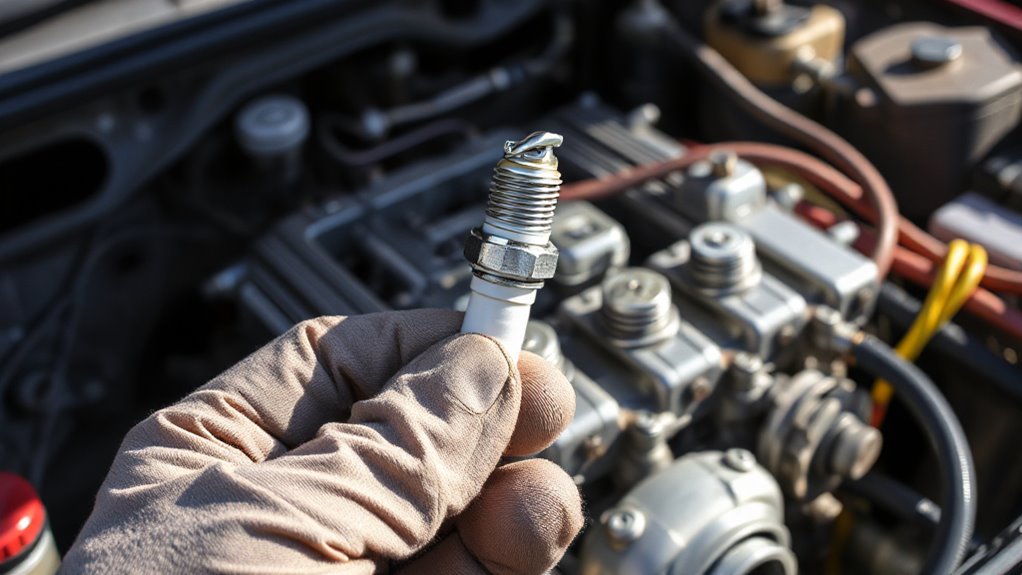

To fine-tune your carburetor mixture, you need to check your spark plugs regularly. Look for electrode color and wear patterns; light tan indicates good combustion, while black soot shows a rich mix, and white deposits suggest too lean a mixture or timing issues. Worn or damaged plugs can mislead your adjustments. By understanding these signs, you can make precise carburetor tweaks, helping your engine run smoothly—if you keep exploring, you’ll uncover more ways to perfect your tune.
Key Takeaways
- Examine spark plug electrode color: light tan indicates proper carburetor mixture, while black or white suggests adjustments are needed.
- Check for uneven electrode wear to identify misfiring or timing issues affecting mixture balance.
- Use visual signs like soot or blistering to determine if the fuel mixture is too rich or too lean.
- Regularly inspect spark plugs for erosion or deposits to maintain consistent ignition and easier carb tuning.
- Reading spark plugs helps diagnose internal engine health, enabling precise carburetor adjustments for optimal performance.
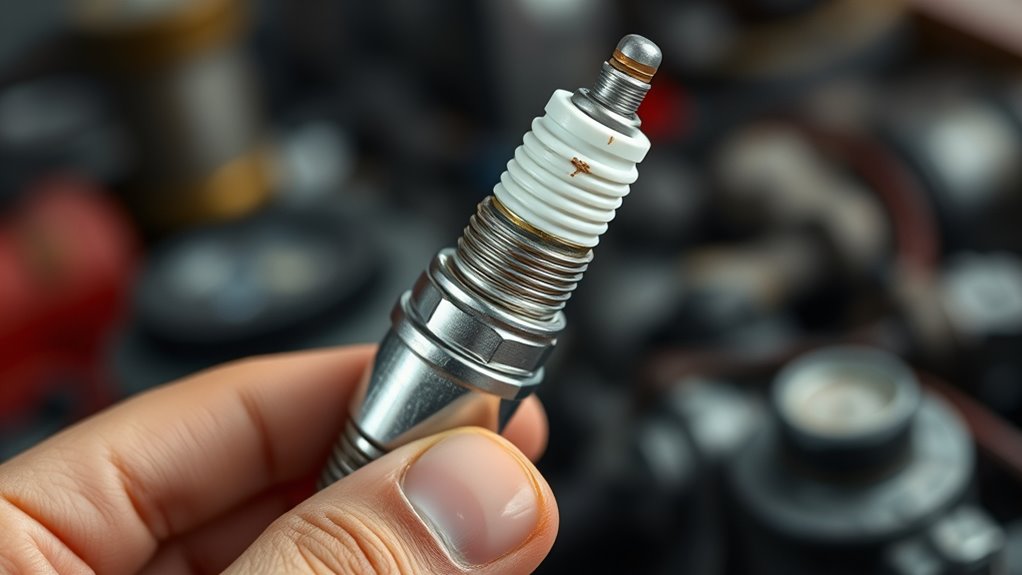
Ever wonder what your spark plugs can tell you about your engine’s health? They’re more than just components that ignite the fuel-air mixture; they act as diagnostic tools revealing essential details about how well your engine performs. One of the first things to check is ignition timing, which directly influences how your spark plugs operate. If the timing is off, your spark plugs might show signs like uneven wear or sooty deposits. When ignition timing is too advanced or retarded, the spark occurs either too early or too late in the combustion cycle, stressing the electrode and leading to uneven electrode wear. This uneven wear can cause misfires, rough idling, or reduced fuel efficiency, hinting that your ignition system needs adjustment. By inspecting your spark plugs’ electrode condition, you can determine if the timing is correctly set. Look for a clean, light tan color on the electrodes; this indicates proper ignition timing. If you notice black, sooty deposits, it might suggest too much fuel or late ignition timing. Conversely, a white or blistered electrode could mean the timing is too advanced or the engine is running too hot. Recognizing these signs helps you fine-tune your engine’s performance and avoid more costly repairs down the line.
Additionally, appliance maintenance plans can help ensure your engine’s electrical systems stay in top shape, preventing issues that could affect spark plug performance.
The electrode wear pattern on your spark plugs is another key clue. As your engine runs, the electrodes gradually erode due to the high temperatures and electrical arc. Moderate, even electrode wear signifies normal operation, but excessive or uneven wear points to issues. If one electrode is considerably more worn than the other, it could indicate a misfiring cylinder or improper ignition timing. Over time, worn electrodes reduce the spark’s effectiveness, impairing combustion and decreasing power. This makes it harder to fine-tune your carburetor mixture since an inconsistent spark affects fuel efficiency and emissions. Regularly inspecting your spark plugs allows you to catch electrode wear early. When replacing or cleaning them, check for signs of erosion, melting, or build-up, which signal that your ignition system or fuel mixture might need adjustment. Proper electrode maintenance ensures consistent ignition, leading to smoother engine operation and easier carburetor tuning.
In essence, reading your spark plugs offers a window into your engine’s inner workings. By paying close attention to ignition timing clues and electrode wear patterns, you can proactively address issues before they escalate. Keeping your spark plugs in top shape not only improves engine performance but also makes fine-tuning your carburetor mixture a straightforward task. It’s a simple step that saves you time, money, and the hassle of unexpected breakdowns. So next time you check your spark plugs, remember that they’re speaking to you—listen carefully, interpret their messages, and keep your engine running at its best.

Nitrous Outlet Top Spark Plug Reading Tool
Nitrous Outlet Top Spark Plug Reader
As an affiliate, we earn on qualifying purchases.
As an affiliate, we earn on qualifying purchases.
Frequently Asked Questions
How Often Should I Check My Spark Plugs?
You should check your spark plugs every 30,000 miles or as part of your regular maintenance schedule. Spark plug lifespan varies depending on your vehicle and driving habits, but inspecting them regularly helps catch signs of wear or fouling early. By staying on top of this maintenance, you guarantee ideal engine performance, fuel efficiency, and prevent costly repairs down the line. Don’t wait until issues arise—routine checks keep your engine running smoothly.
What Tools Are Best for Reading Spark Plugs?
You’ll want a spark plug socket and a gapping tool for reading spark plugs. Use a wire brush or spark plug cleaning tool to clear any debris before inspecting the spark plug gap with a feeler gauge. This helps you assess the condition and guarantee proper gaps, which are vital for essential engine performance. These tools make it easier to maintain your spark plugs and keep your engine running smoothly.
Can Spark Plug Color Indicate Other Engine Issues?
Think of your spark plug as a health report card. If the color shows signs of corrosion or electrode wear, it can signal more than just an overly rich or lean mixture. These issues might point to engine problems like misfiring, carbon buildup, or fuel mixture imbalance. Ignoring these signs could lead to decreased performance or damage, so pay close attention to spark plug color and condition for early diagnosis.
How Do Weather Conditions Affect Spark Plug Readings?
Weather conditions, like temperature impact and humidity influence, can *considerably* affect spark plug readings. Hot weather may cause the plug to run lean, while cold conditions can lead to a richer mixture. High humidity can also alter combustion, making plugs appear different than in dry conditions. Always consider these factors when inspecting spark plugs, and adjust your carburetor accordingly to maintain *ideal* engine performance in varying weather.
Is It Necessary to Replace Spark Plugs Regularly?
You definitely need to replace your spark plugs regularly, or you’ll risk engine failure that feels like a catastrophe. Over time, the plug gap widens and the electrode condition worsens, leading to poor combustion, misfires, and decreased fuel efficiency. Checking and replacing your spark plugs every 30,000 miles guarantees peak performance. Don’t let neglected plugs turn your smooth ride into a nightmare—stay ahead with timely replacements.
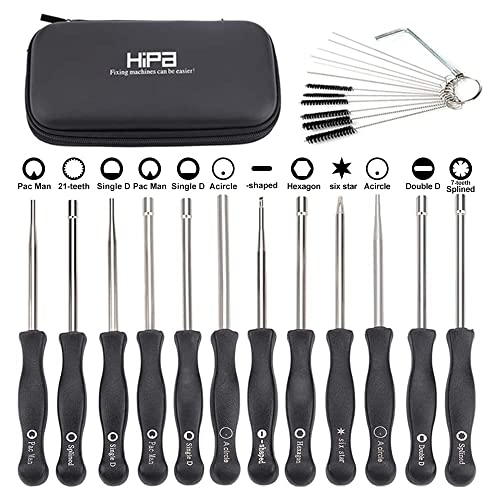
HIPA Pack-of-12 Carburetor Adjustment Tool Carburator Adjusting Kit for 2-Cycle Small Engine for Poulan Husqvarna STHIL ECHO Trimmer Weedeater Chainsaw
Carburetor adjustment tool kit, fits for ZAMA, STHIL, Husqvarna, Poulan, Weedeater, Echo, Homelite, Ryobi, MTD, Troy-Bilt,Toro, Sears, Ruixing,…
As an affiliate, we earn on qualifying purchases.
As an affiliate, we earn on qualifying purchases.
Conclusion
Just like the wise old owl that sees through the night, reading your spark plugs reveals the secrets of your engine’s health. By paying attention to their color and condition, you can fine-tune your carburetor mixture and keep your machine running smoothly. Remember, every spark plug tells a story—listen carefully, and you’ll stay ahead of any performance issues, ensuring your ride stays as sharp as a hawk’s eye in the sky.

CTA Tools 3238 9 Wire Spark Plug Gap Gauge
CTA Tools 3238 Spark Plug Gap Gauge – 9-Wire is designed to accurately measure spark plug gaps. The…
As an affiliate, we earn on qualifying purchases.
As an affiliate, we earn on qualifying purchases.

UNLRAE Spark Plug Cleaner,Car Accessories Pneumatic Spark Plug Cleaner Sandblaster,Automotive Tools,High-Efficiency Air Sandblaster with Brasive Material,Suitable for Most Motorcycle,Lawn Mower,Cars
[High-Quality Materials]: The pneumatic spark plug cleaner is made of high-quality plastic, brass, and steel clip materials, making…
As an affiliate, we earn on qualifying purchases.
As an affiliate, we earn on qualifying purchases.