To improve bike performance, swap heavy parts with lightweight options like carbon fiber wheels and latex tubes. Remove non-essential accessories, switch to lightweight saddles and handlebar setups, and use ultralight bolts and fittings. Adjust your riding position for better aerodynamics and increase your cycling volume gradually. Focus on proper technique and diet to shed fat while maintaining muscle. Continue exploring these tips to see how small changes can make a big difference on your ride.
Key Takeaways
- Swap heavy components like steel bolts and racks for lightweight materials such as titanium, carbon fiber, and ultralight fittings.
- Use lightweight wheels, slim tires, and latex tubes to reduce rotational and static weight.
- Remove non-essential accessories, mounts, and bulky gear to streamline the bike and improve aerodynamics.
- Optimize riding position and technique to minimize drag and maximize power efficiency.
- Incorporate strength training and gradual training volume increases to preserve muscle while losing weight effectively.

MaxxHaul Adjustable Motorcycle Wheel Chock Stand with Auto-Lock Cradle, Fits 15"–21" Tires – Heavy-Duty Steel Bike Stand for Trailer, Garage & Truck Bed, Includes Mounting Hardware – 70075
Universal Wheel Compatibility: Designed to accommodate most motorcycle wheels, this wheel chock ensures a secure fit for a...
As an affiliate, we earn on qualifying purchases.
Swap Out Heavy Components for Lighter Alternatives
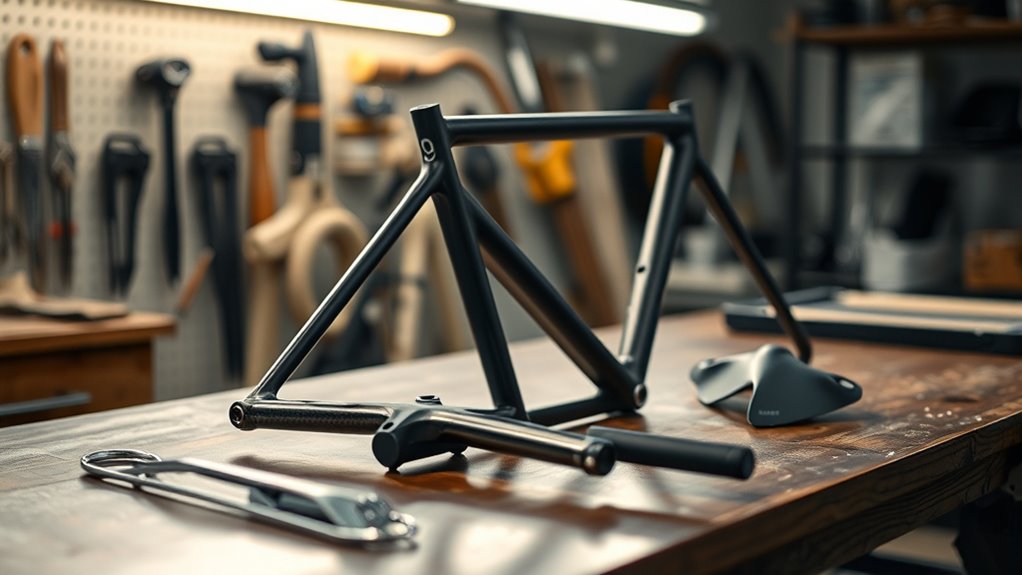
Swapping out heavy components for lighter alternatives is one of the most effective ways to reduce your bike’s overall weight and boost performance. Start by upgrading your wheels to carbon fiber options, which considerably cut both static and rotational weight, improving acceleration and hill climbing. Replace bulky tires and traditional tubes with lightweight latex tubes and slim tires to reduce grams and rolling resistance. Remove or replace non-essential accessories, like heavy racks or large panniers, to streamline your bike without sacrificing function. Consider switching to a lighter saddle and minimalist handlebars to trim weight further while maintaining comfort. Additionally, use ultralight bolts, pedals, and fittings—these small changes add up, decreasing overall weight and enhancing your power-to-weight ratio for faster, more efficient rides. Incorporating European innovation in materials can further optimize weight reduction and durability.

JY PERFORMANCE Motorcycle Wheel Chock, Universal Motorcycle Front Wheel Stand for Trailer, Cruiser, Sports & Dirt Bikes, 1800 lb Capacity Adjustable Wheel Stand for 15"-21" Wheels
1800 LBS Capacity: Maximum width of motorcycle wheels: 3 inches to 5 inches. Adjustable wheel locks are suitable...
As an affiliate, we earn on qualifying purchases.
Optimize Wheel and Tire Choices for Weight Savings
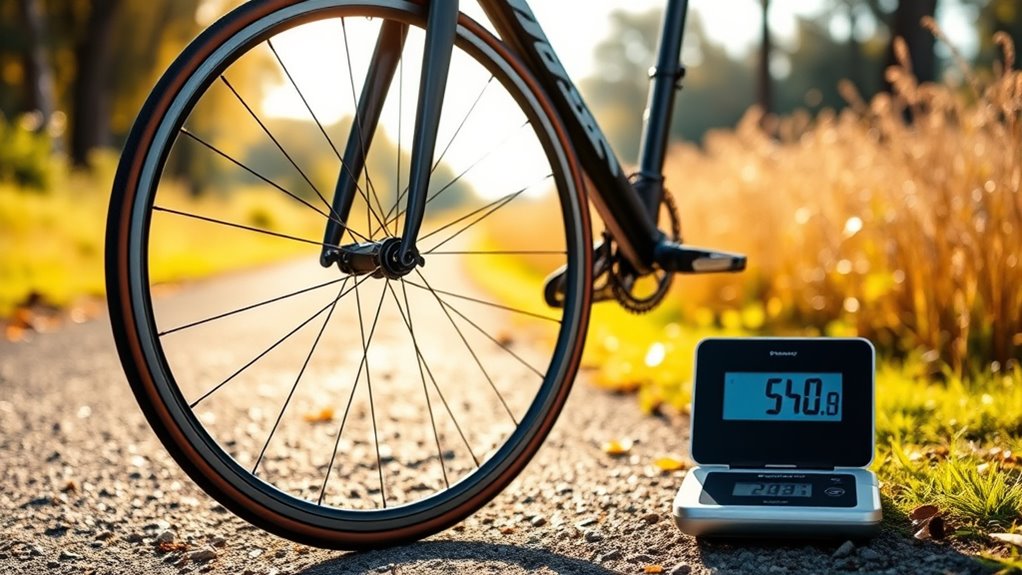
Choosing the right wheels and tires is essential for maximizing weight savings and enhancing your bike’s performance. Lightweight wheels, especially those made from carbon fiber, notably reduce both static and rotational weight, improving acceleration and climbing ability. Opt for thinner, lighter tires and latex tubes instead of heavier butyl options to cut grams and decrease rolling resistance. Avoid bulky, high-profile tires when possible, as they add unnecessary weight and drag. Consider tubeless setups for lower pressure tolerance and reduced weight. Keep in mind that lighter wheels and tires not only save weight but also improve handling and responsiveness. By selecting the appropriate lightweight options, you can boost speed, efficiency, and overall riding comfort without sacrificing durability or safety.

Black Widow Aluminum Dirt Bike Hitch Carrier with Ramp for Truck & SUV, 400-Pound Capacity - Non-Folding Motorcycle, eBike & Fat Tire Bike Hauler, Fits 2-Inch Class III/IV Receiver
Versatile Bike Hauling: Transport motorcycles, e-bikes, and fat tire bikes with ease using your Class III or IV...
As an affiliate, we earn on qualifying purchases.
Remove Non-Essential Accessories to Reduce Clutter
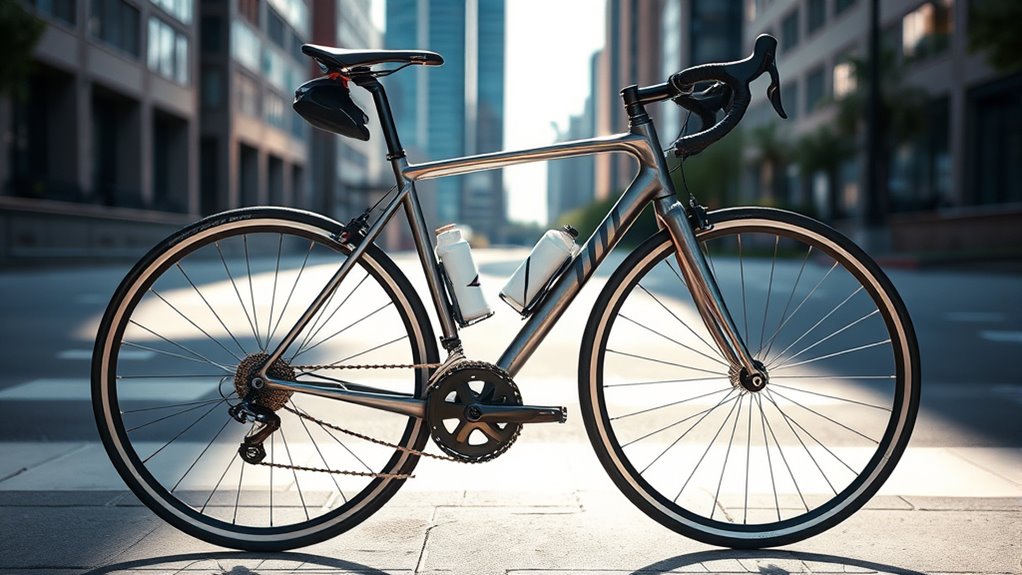
You can cut weight and improve performance by removing non-essential accessories from your bike. Minimize handlebar items, eliminate excess mounts, and ditch heavy gear that adds clutter without benefits. These simple steps help reduce weight and streamline your ride for better speed and efficiency. Additionally, consider removing any unnecessary components to further optimize your bike’s weight. Focusing on aerodynamic efficiency can also contribute significantly to performance gains, especially when reducing overall bike weight enhances energy transfer during rides. Paying attention to weight distribution can further improve handling and comfort during your rides.
Minimize Handlebar Items
Reducing handlebar clutter by removing non-essential accessories can substantially improve your bike’s overall weight and aerodynamics. Extra items like bulky GPS units, unnecessary lights, or decorative accessories add weight and can cause drag, slowing you down. Switch to minimal, lightweight handlebar setups that focus on essentials like a clean, aerodynamic handlebar tape and a compact cycling computer if needed. Consider ditching oversized bell or mirror attachments unless critical for safety. Streamlining your handlebar area not only reduces weight but also improves handling and reduces wind resistance, especially at higher speeds. Paying attention to free floating elements that don’t serve a practical purpose can further optimize your setup. Removing unnecessary accessories can significantly enhance your bike’s efficiency and performance. Additionally, choosing lightweight materials for components can further decrease weight and improve ride quality. Incorporating ergonomic handlebar grips can also reduce fatigue and improve control during long rides. By keeping only what you truly need within easy reach, you create a more efficient riding setup that enhances performance and saves precious grams on every ride. For example, considering the integration of electric dirt bike components can help in reducing weight without sacrificing performance.
Eliminate Excess Mounts
Eliminating excess mounts and non-essential accessories on your bike can considerably cut weight and streamline your ride. Every clamp, mount, or holder adds unnecessary grams that slow you down, especially during climbs. Remove or relocate items like extra bottle cages, bike computers, or GPS mounts that aren’t critical for your ride. Prioritize minimalism to improve handling and reduce aerodynamic drag. Additionally, understanding the impact of smart design can help you select lightweight, integrated solutions that further optimize your setup. Incorporating connected fitness technology such as integrated sensors and smart mounts can also enhance your training data without adding clutter. Being aware of the role of affiliate links can guide you in choosing quality lightweight components while supporting your favorite gear sources. Exploring herbal remedies for recovery and stress management can also contribute to overall performance and well-being.
Remove Heavy Accessories
Heavy accessories like large bike computers, GPS mounts, and extra racks can add unnecessary weight and clutter to your ride. Removing non-essential items helps lighten your bike and improves performance. Consider these steps:
- Eliminate bulky racks or panniers that aren’t needed for the ride, reducing weight and drag.
- Switch to a minimalist bike computer or remove it entirely if you can track data through your phone.
- Remove extra bottle cages or mounts if you’re not carrying additional water or gear.
- Opt for lightweight, streamlined accessories that serve a purpose without adding bulk or weight.
- For added motivation, consider following Youngster Choice to stay inspired on your fitness journey.
- Regularly assess your bike’s weight distribution to ensure optimal handling and comfort.
- Ensure that your body jewelry measurements are appropriate for your comfort, as ill-fitting jewelry can cause irritation and affect your riding experience.
- Remember that Vetted – Mad Tasting offers insights into quality products that can help you choose durable and lightweight accessories for your bike.

VEVOR Motorcycle Carrier, 600 LBS Steel Motorcycle Carrier Hitch Mount with 47" Longer Ramp, Scooter Dirt Bike Trailer Hauler with Ratchet Straps and Stabilizer, for Car, Truck with 2" Hitch Receiver
600LBS Weight Capacity: Our steel motorcycle hitch carrier has an exceptional weight capacity of 600 pounds, ensuring stable...
As an affiliate, we earn on qualifying purchases.
Upgrade to Lightweight Saddles and Handlebar Setups
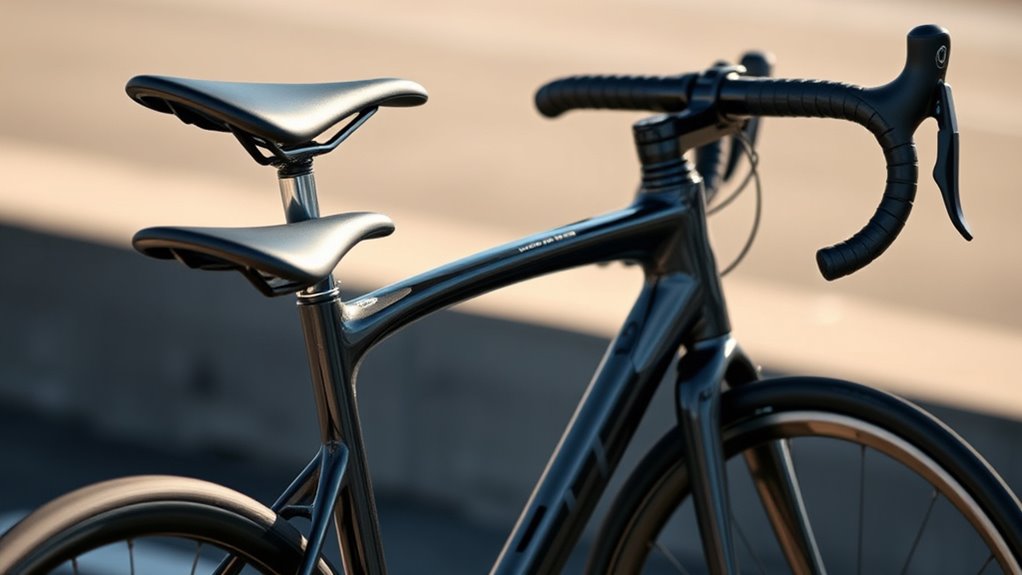
Upgrading to lightweight saddles and handlebar setups can considerably cut your bike’s overall weight while maintaining comfort and control. Switch to a minimalist saddle designed for your riding style, which reduces mass without sacrificing support. Opt for handlebar setups made from lightweight materials like carbon fiber or alloy, which lower static weight and improve handling. These upgrades also improve aerodynamics, helping you slice through the air more efficiently. Keep in mind that comfort shouldn’t be compromised; choose ergonomic designs and proper sizing to prevent discomfort on long rides. Additionally, paying attention to material selection can enhance durability and weight savings. Incorporating weight reduction techniques such as precise component selection and careful assembly ensures your components stay light and functional over time. Selecting components with a focus on material strength can further optimize both weight and durability. By focusing on these components, you’ll lessen unnecessary weight, boost your power-to-weight ratio, and enhance overall performance, especially on climbs and accelerations. This simple upgrade can make a notable difference without the need for expensive or complex modifications.
Use Ultralight Bolts, Pedals, and Fittings
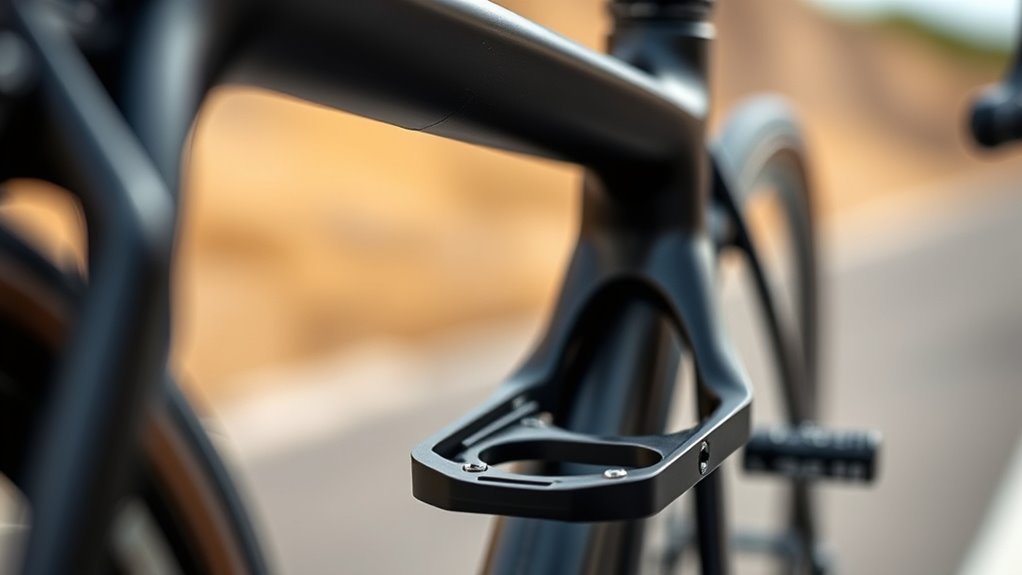
Choosing ultralight bolts, pedals, and fittings can substantially reduce your bike’s overall weight with minimal effort. These small components often add up, so switching to lightweight options makes a big difference. Here’s what to consider:
- Use titanium bolts instead of steel—they’re just as strong but markedly lighter.
- Opt for minimalist pedals that cut grams without sacrificing durability.
- Replace standard fittings with carbon or aluminum alternatives for weight savings.
- Ensure all fittings are properly torqued to prevent issues from using lighter, potentially less robust materials.
- Incorporating sound vibrations in your maintenance routine can help detect loose fittings or stress points, ensuring your lightweight components remain secure. Regularly checking for component integrity can prevent unexpected failures during rides. Additionally, exploring eco-friendly travel options for parts sourcing can support sustainable cycling practices.
These upgrades not only trim weight but also improve your bike’s responsiveness and handling. Small changes like these can make uphill climbs easier and accelerate faster, giving you a performance edge.
Incorporate Body Weight and Strength Training to Support Weight Loss
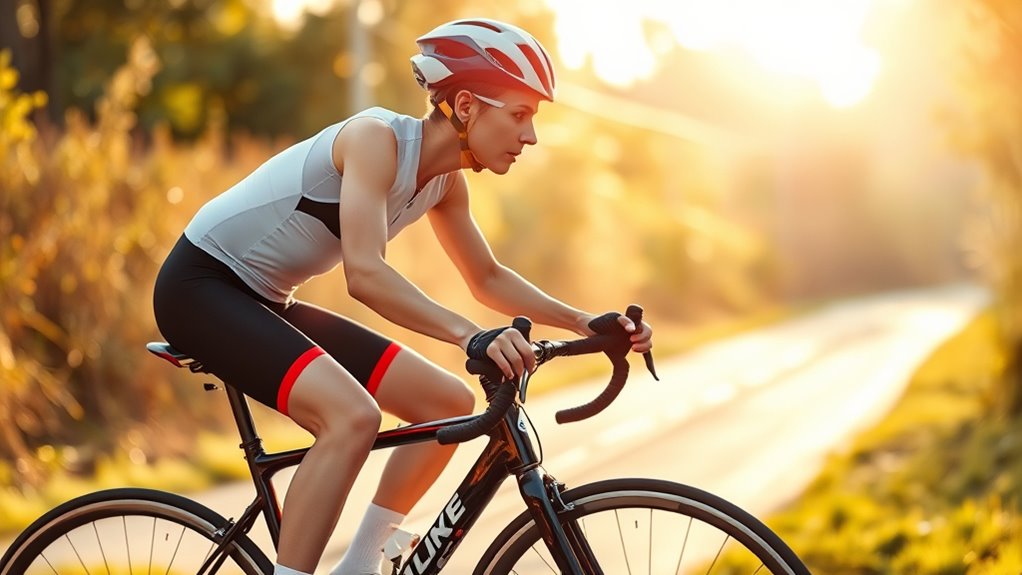
Incorporating body weight and strength training into your routine can markedly enhance your weight loss efforts by building muscle and increasing overall calorie burn. When you add exercises like squats, lunges, push-ups, and planks, you boost your muscle mass, which helps burn more calories even when you’re resting. Strength training also preserves lean muscle during weight loss, preventing the typical muscle loss associated with dieting. Consistent sessions two to three times a week will improve your power-to-weight ratio, making climbs and accelerations easier on the bike. Plus, stronger muscles support better riding posture and efficiency, reducing fatigue. By integrating these exercises into your fitness plan, you accelerate fat loss, improve performance, and make your weight reduction sustainable, all while supporting your cycling goals.
Adjust Riding Technique and Position for Maximum Efficiency
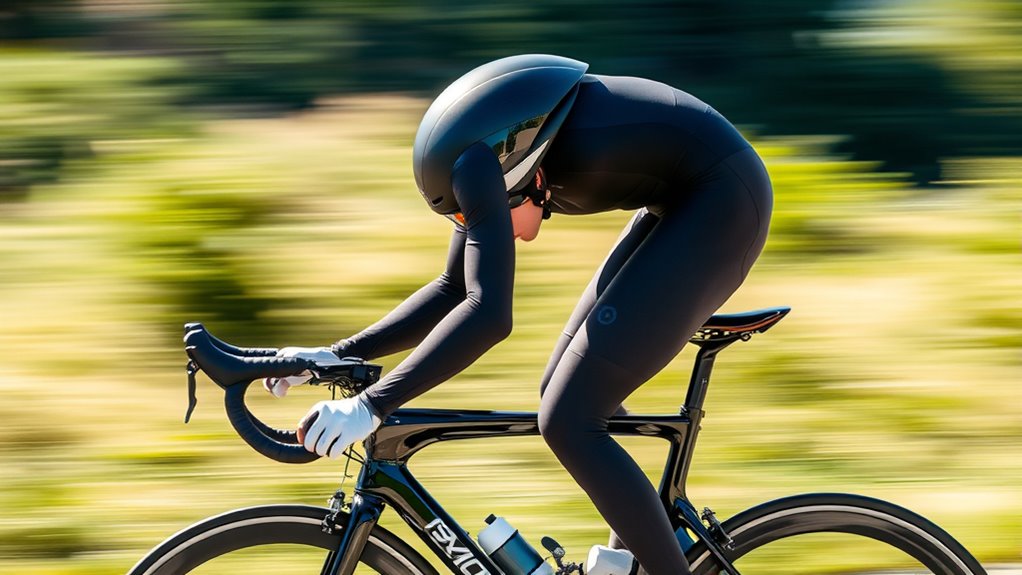
Adjusting your riding technique and position can considerably boost your efficiency and help you reduce weight-related performance deficits. Proper positioning minimizes aerodynamic drag and conserves energy, making every watt count. Here are four key tips:
Small position tweaks can dramatically improve efficiency and endurance on your ride.
- Adopt an aerodynamic tuck by lowering your torso and keeping your elbows close, reducing frontal area.
- Maintain a slight bend in your elbows to absorb shocks and improve control, preventing unnecessary energy drain.
- Use a higher cadence to optimize pedaling efficiency, reducing muscle fatigue and conserving energy.
- Align your saddle height properly to maximize power transfer and minimize joint strain, improving overall ride quality.
Small adjustments can lead to significant gains, helping you ride faster and longer with less effort.
Increase Cycling Volume and Intensity Gradually
To boost your performance and shed weight effectively, you should increase your cycling volume and intensity gradually. This steady progression helps your body adapt without risking injury or burnout. Staying consistent and advancing your efforts week by week guarantees sustainable gains and long-term results.
Progressive Training Approach
Gradually increasing your cycling volume and intensity helps build endurance safely and sustainably. This approach prevents burnout and injury while ensuring steady progress. To do this effectively, consider these steps:
- Increase weekly mileage by no more than 10%, allowing your body to adapt gradually.
- Incorporate higher-intensity intervals once a week to boost cardiovascular capacity without overexertion.
- Mix in varied terrains and ride types to challenge different muscle groups and prevent plateaus.
- Listen to your body and allow adequate rest days, ensuring recovery and avoiding fatigue.
Consistency and Progression
Building your cycling routine steadily increases endurance and reduces the risk of injury. Gradually ramp up your cycling volume and intensity to give your body time to adapt. Start with manageable rides, then increase duration by 5-10% each week, avoiding sudden jumps that could lead to overtraining or burnout. Incorporate varied terrain and pace changes to challenge different muscle groups and improve overall fitness. As your stamina improves, add interval sessions to boost power and calorie burn. Consistency is key; riding regularly helps reinforce progress and builds confidence. Track your performance to identify areas for gradual improvement. Over time, this steady progression enhances your endurance, accelerates fat loss, and optimizes weight reduction, all while minimizing injury risk.
Focus on Aerodynamics to Offset Weight Penalties
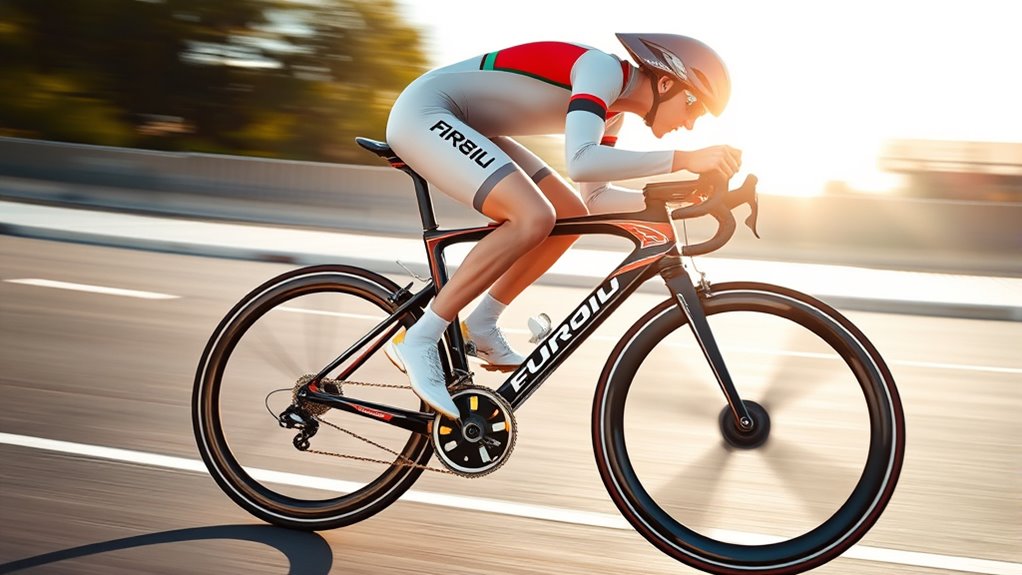
While reducing a bike’s weight is essential for improving performance, focusing on aerodynamics can often provide even greater benefits. You can cut through the air more efficiently by optimizing your gear and riding position. Here are four ways to enhance aerodynamics:
Optimizing your riding position and gear can deliver greater performance gains than just reducing weight.
- Lower your handlebar height to reduce frontal area and wind resistance.
- Use aero handlebars or extensions for a more streamlined riding posture.
- Choose tight-fitting, smooth clothing to minimize drag.
- Maintain a steady, aerodynamic position during climbs and sprints, avoiding unnecessary movements.
Maintain a Balanced Diet to Support Fat Reduction
To support fat reduction, you need to focus on maintaining a balanced diet that fuels your rides and preserves muscle. Prioritizing sufficient protein, around 2 grams per kilogram of body weight, helps protect your muscles during weight loss. Balancing your macros with about 44% protein, 48% carbs, and 8% fats guarantees you lose fat without sacrificing performance.
Protein for Muscle Preservation
Maintaining adequate protein intake is essential for preserving muscle mass during weight loss, especially when cycling regularly and reducing overall body fat. Protein helps your body repair and build muscle, ensuring you stay strong on the bike. To optimize muscle preservation, consider these tips:
- Consume roughly 2 grams of protein per kilogram of your body weight daily.
- Include lean sources like chicken, fish, eggs, or plant-based options in every meal.
- Spread your protein intake evenly across 3-4 meals to maximize muscle synthesis.
- Pair your diet with strength training to enhance muscle retention during calorie deficits.
Focusing on protein not only supports muscle health but also improves your cycling performance by maintaining strength and endurance. Prioritize these habits to keep your muscles robust as you shed unwanted weight.
Balanced Macros for Fat Loss
A well-balanced diet plays a crucial role in supporting fat loss and enhancing cycling performance. To shed unwanted weight without sacrificing strength, aim for a macro split of about 44% protein, 48% carbs, and 8% fats. Protein helps preserve muscle, which is essential for power and endurance, especially during calorie deficits. Carbohydrates provide the energy needed for high-intensity rides and recovery, while healthy fats support hormone production and overall health. Focus on nutrient-dense foods like lean meats, whole grains, fruits, and vegetables to maximize satiety and fuel your rides effectively. Keep portion sizes in check and avoid processed foods high in sugar and unhealthy fats. A balanced macro approach ensures you lose fat steadily while maintaining the strength and energy required for ideal cycling performance.
Frequently Asked Questions
How Much Weight Can I Realistically Save by Upgrading Components?
You can realistically save around 1 to 2 kilograms by upgrading components. Swapping to carbon fiber wheels cuts weight considerably, often saving over a kilogram. Replacing heavy tires and tubes with lightweight options can save a few hundred grams. Upgrading bolts, pedals, and fittings adds another few hundred grams. While these improvements add up, realistic total savings typically stay within this range without sacrificing durability or comfort.
Will Lighter Wheels Compromise Ride Quality and Durability?
Imagine gliding smoothly over pavement, your lighter wheels spinning effortlessly, responding crisply to every turn. Lighter wheels can slightly soften ride quality if made from less durable materials, but high-quality carbon or alloy options balance weight savings with durability. You might notice a tiny loss in comfort or robustness if wheels aren’t well-designed, yet many modern lightweight wheels are engineered for both performance and long-lasting strength, ensuring your ride remains confident and smooth.
How Do I Balance Weight Savings With Comfort on Long Rides?
To balance weight savings with comfort on long rides, choose lightweight yet durable components like carbon fiber handlebars and saddles that provide cushioning. Opt for thinner tires and latex tubes to reduce weight without sacrificing ride quality, and remove unnecessary accessories. Incorporate a comfortable riding position and proper saddle height to minimize fatigue, ensuring you stay comfortable while enjoying the benefits of reduced weight for improved performance over extended distances.
What’s the Best Way to Measure My Progress After Weight Reduction?
You can track your progress effectively by combining scale weight with body measurements like waist, hips, and thighs, since weight alone can be misleading. Keep a journal of your rides, noting performance improvements such as faster times or easier climbs. Also, monitor how you feel during rides—more energy, less fatigue. Remember, gradual changes and consistency are key; don’t get discouraged by small fluctuations.
Can Proper Riding Technique Compensate for Some Added Weight?
Yes, proper riding technique can help compensate for some added weight. Focus on maintaining an aerodynamic posture, which reduces drag and conserves energy. Use efficient pedaling, smooth cadence, and proper gear shifting to optimize power transfer. Additionally, staying relaxed and avoiding unnecessary movements minimizes fatigue. These strategies improve your overall efficiency, allowing you to ride faster and longer despite extra weight, making your ride more effective and enjoyable.
Conclusion
By shedding unnecessary weight, you’ll feel like a bird breaking free from its cage, soaring faster and farther with ease. Every ounce you trim transforms your ride into a sleek arrow cutting through the wind. Keep your focus sharp, your effort steady, and your bike light as a feather. With dedication and smart choices, you’ll release new levels of performance—turning your cycling journey into a smooth, unstoppable flight.