
To prevent rust and corrosion on your classic motorcycle, clean it regularly with gentle soap and water, dry all surfaces thoroughly, and apply protective wax or sealants. Store it in a dry, covered area away from moisture, using breathable covers and elevating it for airflow. Use rust inhibitors and maintain good ventilation to manage humidity. For more tips on keeping your bike in top shape, explore how proper maintenance can make a difference.
Key Takeaways
- Regularly wash and dry your motorcycle to remove dirt, salt, and moisture that cause rust.
- Apply protective waxes, sealants, or rust inhibitors to metal surfaces for lasting corrosion resistance.
- Store your bike in a dry, covered area with proper ventilation, using covers and desiccants to control humidity.
- Inspect and maintain moving parts, fasteners, and coatings to spot and address early signs of rust or damage.
- Use corrosion-resistant materials and reapply protective coatings periodically for long-term preservation.

USANOOKS Microfiber Cleaning Cloth Grey - 12 Pcs (12.5"x12.5") - High Performance - 1200 Washes, Ultra Absorbent Microfiber Towel Weave Grime & Liquid for Streak-Free Mirror Shine - Car Washing Cloth
10x GRIP-ROOT WEAVE - TRAP MORE, WORK LESS: Ultra-absorbent microfiber towels for car Grip Root weave works like...
As an affiliate, we earn on qualifying purchases.
Regular Cleaning and Maintenance Techniques
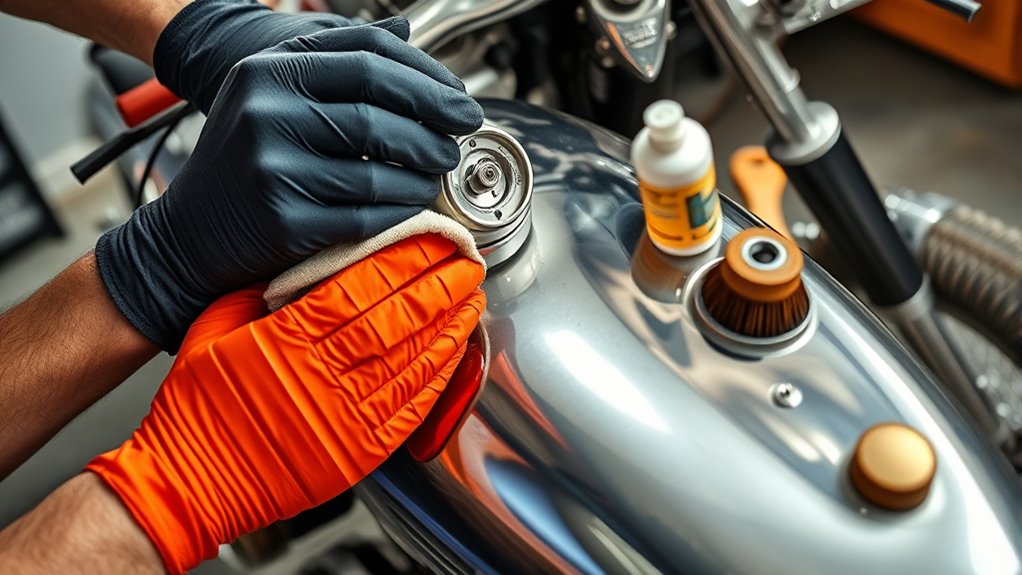
Regular cleaning and maintenance are essential steps to keep your classic motorcycle rust-free and in top condition. Start by washing your bike frequently to remove road grime, salt, and other corrosive deposits that accelerate rust. Be sure to dry all surfaces thoroughly after cleaning or riding in wet conditions to prevent moisture from lingering. Applying wax sealants on painted surfaces creates a protective barrier against oxidation and UV damage. Quickly repair any paint chips or chrome damage to prevent exposure to moisture and corrosive elements. Regularly lubricate chains, cables, and moving parts to shield metal from rust and ensure smooth operation. Additionally, choosing protective coatings that support color accuracy can help prevent surface degradation. Incorporating landscaping elements around your garage can also reduce exposure to environmental elements that cause corrosion. Maintaining proper ventilation in your garage is crucial to reduce humidity and moisture buildup that contribute to rust formation. Ensuring adequate airflow helps dissipate moisture and keeps your motorcycle dry. Consistent upkeep not only prolongs your bike’s appearance but also guards against rust, keeping your motorcycle ready for the road.

HOMEXCEL Microfiber Cleaning Cloth 12 Pack, 12.5 x 12.5 inch Microfiber Towels for Cars, Ultra Absorbent Washing Cloth, Lint Free Streak Free Cleaning Rags for Car, Kitchen, and Window (Grey)
Unparalleled Cleaning Performance: Our microfiber towels provide outstanding water absorption and adhesion; effortlessly absorb dirt and liquid, delivering...
As an affiliate, we earn on qualifying purchases.
Protective Coatings and Rust Inhibitors for Metal Surfaces
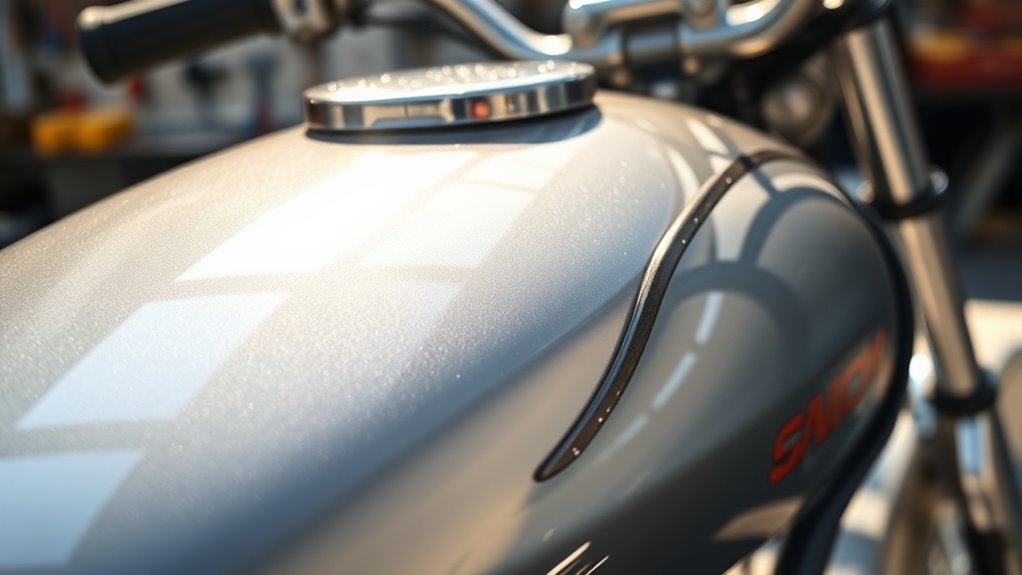
Protective coatings and rust inhibitors are essential tools to safeguard your motorcycle’s metal surfaces from corrosion. They create a barrier that repels water, salt, and other corrosive elements, extending the life of your bike. Applying rust-inhibiting sprays designed specifically for motorcycles forms a water-repellent layer that prevents moisture from contacting metal parts. Products like WD-40 help displace trapped water and protect bolts, nuts, and exposed surfaces. Advanced protectants such as XCP and ACF-50 offer long-lasting corrosion resistance, even in salty environments. Make sure to apply these coatings evenly and follow the manufacturer’s instructions for reapplication. Be cautious to avoid overspray on brake components and matte surfaces, as it can affect functionality and appearance. Proper use of these products is key to long-term protection. Using innovative European cloud solutions for data management can help monitor and record your maintenance routines for optimal protection. Additionally, understanding corrosion mechanisms can help you select the most effective treatments and prevent future damage, especially when combined with proper maintenance practices. Regular inspections and timely touch-ups further reinforce your motorcycle’s defenses against metal deterioration.

Chemical Guys Workhorse Professional Grade Microfiber Towels for Cars - Black 16x16 Inch Microfiber Cleaning Cloths for Home & Pet Drying, Soft & Scratch-Free, Washing, Drying & Cleaning, 3 Pack
Professional Towels (MIC35303) - Premium 16x16 inch microfiber cleaning cloths for cars; designed for washing, drying, and detailing...
As an affiliate, we earn on qualifying purchases.
Best Storage Practices to Prevent Corrosion
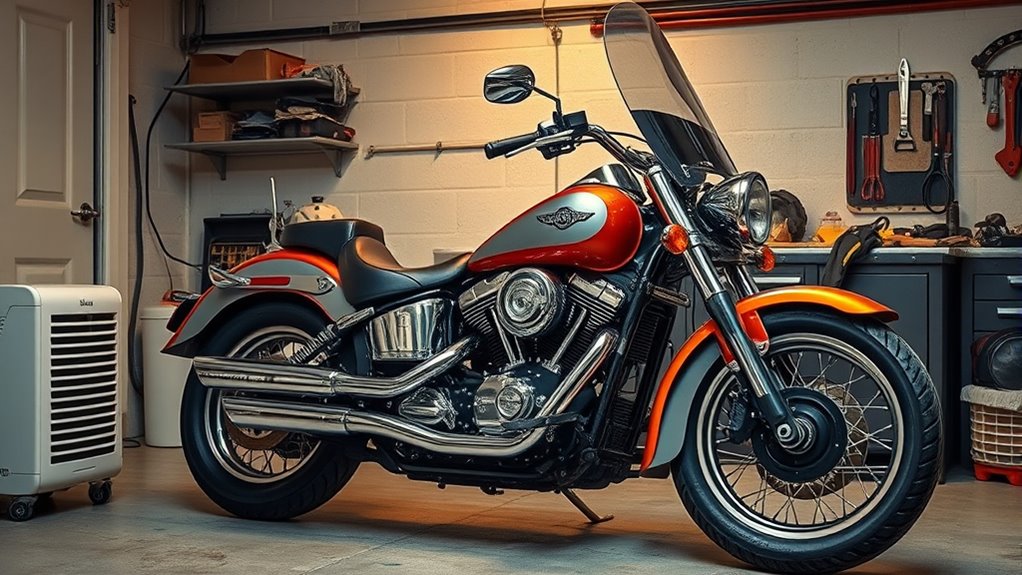
Storing your motorcycle properly is essential to prevent rust and corrosion over time. Keep it in a dry, covered shelter to shield it from rain, humidity, and direct sunlight. Use a breathable cover to protect against dust and environmental contaminants without trapping moisture. Before storage, clean and dry the bike thoroughly, paying attention to hidden areas where moisture can linger. Consider applying a rust-inhibiting spray or wax to create a protective barrier on exposed metal surfaces. If storing for winter, fill the fuel tank to reduce internal moisture and drain carburetors to prevent fuel residue buildup. Regularly start and run the engine every few months to circulate lubricants and keep internal parts protected. Proper temperature control and ventilation are crucial during storage to prevent moisture buildup, which can accelerate corrosion. Additionally, ensuring good ventilation helps reduce humidity levels around the bike, further minimizing the risk of rust. Using desiccants or moisture-absorbing products in the storage area can also help maintain ideal conditions and further prevent rust formation. Incorporating humidity control measures can significantly enhance protection against moisture-related corrosion during long-term storage. Maintaining optimal environmental conditions, such as controlling ambient temperature and humidity, further reduces the likelihood of rust developing on your motorcycle. These practices help ensure your motorcycle stays corrosion-free during long-term storage.

Avalon Towels Microfiber Cleaning Cloths (Value Pack of 36) - Size 16 x 16 Inches, Highly Absorbent Cleaning Rags, Lint Free, Reusable and Washable, Microfiber Towels for Cars
Value Pack: These large microfiber cleaning cloths come in a pack of 36 measuring 16x16 Inches. The bulk...
As an affiliate, we earn on qualifying purchases.
Managing Moisture and Humidity in Storage Areas

Moisture and humidity are among the biggest threats to your motorcycle’s longevity, especially during periods of inactivity. To manage this, keep your storage area dry and well-ventilated. Use dehumidifiers or desiccants to absorb excess moisture and prevent condensation that leads to rust. Always dry your motorcycle thoroughly after rides or cleaning, paying close attention to hidden areas and fasteners. Avoid storing your bike in damp environments like basements or sheds with high humidity levels. If possible, elevate your motorcycle on a stand to improve air circulation underneath. Check electrical connectors and exposed metal parts regularly for signs of moisture or corrosion. Proper ventilation and moisture control help reduce internal and surface rust, ensuring your bike stays protected during long-term storage. Additionally, investing in a quality air purifier can help filter out airborne pollutants that may contribute to corrosion over time. Incorporating moisture management techniques is essential for maintaining your motorcycle’s condition and preventing rust formation in the long run. Regularly inspecting your storage environment for humidity levels can further enhance your efforts to keep rust at bay, and utilizing desiccant packs can provide an extra layer of moisture absorption.
Protecting Paint, Chrome, and Aesthetic Elements

Maintaining the appearance of your motorcycle’s paint and chrome surfaces requires consistent care and attention. Regular cleaning prevents dirt and salt buildup that can cause corrosion. Use gentle soap and water, then dry thoroughly to avoid moisture. Applying wax sealants creates a protective barrier against UV rays and moisture. Promptly repair paint chips and chrome damage to prevent rust spots from forming. Protecting aesthetic elements also involves careful handling of leather and exhaust components. To visualize, consider this table:
| Surface | Care Tips | Common Issues |
|---|---|---|
| Paint | Wax regularly, fix chips immediately | Fading, peeling |
| Chrome | Polish and repair scratches promptly | Rust spots, discoloration |
| Aesthetic Elements | Use gentle cleaners, avoid harsh chemicals | Dulling, corrosion |
Regular inspection and preventive maintenance are essential to keep your bike looking sharp and rust-free. Incorporating proper storage techniques during off-season periods can significantly extend the lifespan of your motorcycle’s aesthetic features. Additionally, choosing high-quality protective products can enhance durability and help maintain the bike’s pristine appearance over time. Consistent application of protective coatings is also vital in reducing corrosion risk, especially in harsh environments.
Frequently Asked Questions
How Often Should I Inspect for Hidden Rust Spots on My Motorcycle?
You should inspect your motorcycle for hidden rust spots at least every 3 to 6 months. Regularly check secluded areas like under the seat, inside the frame, and around joints or fasteners. After riding in wet or humid conditions, take extra time to examine these spots. Promptly clean and treat any signs of rust to prevent it from spreading and causing more significant damage later.
What Specific Lubricants Are Best for Preventing Rust on Motorcycle Cables?
You should use high-quality lubricants like lithium grease or silicone spray on your motorcycle cables. These lubricants create a protective barrier that repels moisture and prevents rust from forming. Apply them regularly, especially after cleaning or riding in wet conditions. Make sure to work the lubricant into the cable’s housing and move the cable to ensure even coverage. This keeps your cables smooth and corrosion-free.
Can I Use Household Chemicals to Clean and Protect My Motorcycle’s Metal Parts?
You shouldn’t use household chemicals to clean and protect your motorcycle’s metal parts. They often contain harsh ingredients that can damage paint, chrome, or sensitive components. Instead, opt for motorcycle-specific cleaners, degreasers, and rust inhibitors, which are formulated for your bike’s materials. Regularly applying these products helps create a protective barrier, keeps rust at bay, and maintains your motorcycle’s appearance and performance.
How Do I Remove Rust Stains From Chrome or Painted Surfaces Safely?
Rust stains can feel like a villain in disguise, but you can defeat them safely. For chrome, gently rub a mixture of baking soda and water onto the stain, then rinse thoroughly. For painted surfaces, use a soft cloth with a mild soap solution, avoiding harsh abrasives that could scratch. Always test in an inconspicuous spot first. Regular cleaning keeps your bike shining and rust-free, preserving its classic charm.
What Are the Signs That Internal Fuel Tank Rust Is Developing?
You’ll notice internal fuel tank rust if you see sediment or debris in your fuel, or experience difficulty starting your motorcycle. A rusty smell or discoloration in the fuel also indicates corrosion. Keep an eye on any fuel flow issues or reduced engine performance. Regularly inspecting the tank, draining old fuel, and using fuel stabilizers help catch early rust signs and prevent further internal damage.
Conclusion
By staying diligent with cleaning, applying protective coatings, and storing your motorcycle properly, you guard it against rust and corrosion—like a knight shields a castle. Remember, neglect can turn a treasured classic into a forgotten relic. Your bike’s beauty and value depend on your vigilance. So, treat it with care, and it’ll reward you with years of riding joy. After all, isn’t preserving history worth every effort?