
TL;DR

Get business pricing on garage and car supplies
- Business-only prices and quantity discounts
- Tax-exempt purchasing
- Multiple users, one account, clear invoices
Ford has begun building Fathom electric pickup validation vehicles on the production line at its Louisville assembly plant. COO Kumar Galhotra said about 90% of validation testing is complete, but customer deliveries are not planned until late 2027. Ford still needs to confirm that suppliers can provide parts at the required pace and quality.
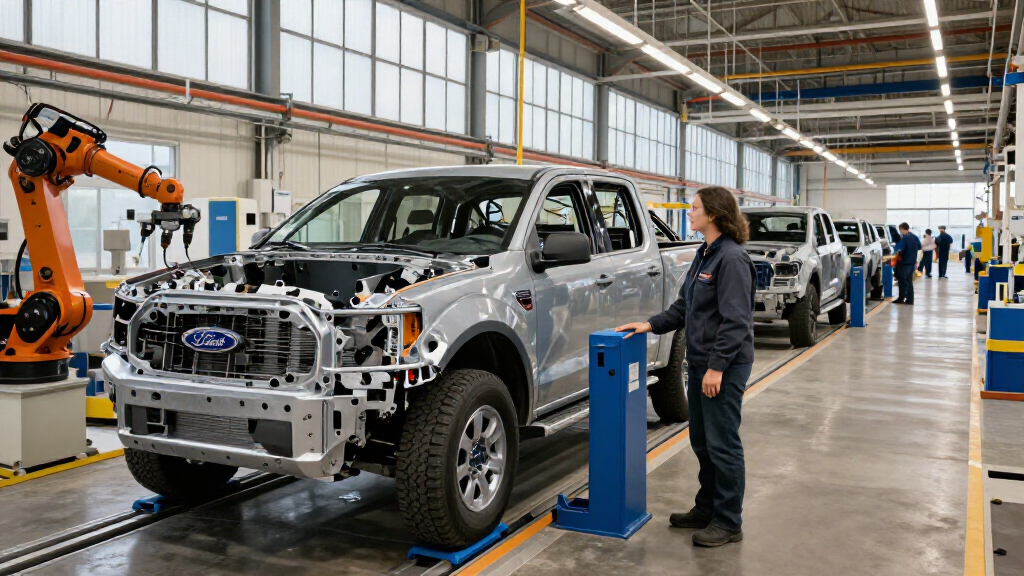
Ford has begun building Fathom electric pickup validation vehicles on the production line at its Louisville Assembly Plant, a milestone in testing the new truck and the manufacturing system intended to make it. Chief Operating Officer Kumar Galhotra said about 90% of validation testing is complete; customer deliveries are not planned until late 2027.
Galhotra said Ford had built its first Fathoms on the Louisville line during the company’s recent quarterly earnings call. These are production-line validation vehicles, not customer-ready trucks, according to the report by InsideEVs. The distinction matters: Ford is testing how the vehicle and its manufacturing process work together, rather than announcing that full-rate production or deliveries have begun.
The truck is being developed on Ford’s Universal Electric Vehicle (UEV) Platform. The company’s planned “assembly tree” process differs from a conventional line in which a vehicle moves through a sequence of stations: workers assemble the Fathom’s front, middle and rear sections at the same time, then join the sections later. Ford says the approach is designed to improve production speed and efficiency, including worker ergonomics. Those are intended benefits, not results established by the validation milestone.
Ford is also testing large structural castings at its Shelbyville Technical Center. Galhotra said the company had made 5,000 “unicastings”, combining 146 parts into two large castings. He described the work as evidence that Ford can make the components at a high rate. The next challenge, he said, is getting suppliers to deliver parts at the necessary pace and quality.
Ford Tests a New Build System
The Fathom is a test of more than a new electric pickup. Ford is relying on the UEV platform and a different factory layout to make an affordable EV at scale. If the process works as intended, the company could simplify assembly and reduce the number of separate components involved in parts of the vehicle. That could support lower manufacturing costs, though Ford has not yet demonstrated those gains in customer production.
The production-line vehicles mark progress because a new design and a new assembly method must work reliably together before deliveries can begin. But 90% completion of validation testing does not mean the launch is complete. Supplier output, quality and the factory’s ability to sustain production remain open parts of the task.
InsideEVs reported that Ford is targeting 100,000 Fathom sales in its first year. That is a reported target, not a confirmed sales result or production total. Whether Ford can reach it will depend on execution across the plant and supply chain as the launch approaches.
Products Worth Considering
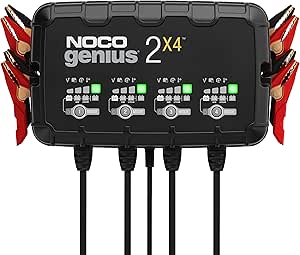
NOCO GENIUS2X4 6V/12V Four-Bank Battery Charger and Maintainer

DEWALT 20V MAX XR 3/4-Inch Cordless Impact Wrench Kit with POWERSTACK Battery and Charger

Vantrue N4 Pro S 4K 3-Channel Dash Cam with Triple STARVIS 2 HDR
As an affiliate, we earn on qualifying purchases.
From Prototype to Louisville Line
Ford has invested more than $2 billion in its Louisville plant for Fathom manufacturing, according to the report. The move from development work to vehicles built on the intended production line gives the automaker a chance to test processes and identify issues before customer deliveries. Ford has not said that these validation trucks are being sold or delivered.
The manufacturing approach also draws attention because it departs from the moving assembly line associated with Henry Ford. Ford’s “assembly tree” would bring separately built sections together later in the process. InsideEVs compared the concept with Tesla’s “unboxed” approach for the Cybercab; the comparison describes a broad similarity in assembly strategy, not proof that the two systems are identical.
Ford’s casting work is another part of its effort to reduce manufacturing complexity. The company says two large castings bring together 146 parts. The reported count of 5,000 castings indicates production activity at the technical center, but by itself does not establish how many finished trucks can be made or how much the process will reduce vehicle costs.
““It’s progressing very well.””
— Kumar Galhotra, Ford chief operating officer, on the Fathom’s progress
Suppliers and Scale Remain Open
Ford has not disclosed a detailed validation schedule, the number of Fathom vehicles built so far, or the production rate currently achieved at Louisville. The 90% testing figure was Galhotra’s estimate on the earnings call; the available report does not specify which tests remain or when they will finish.
It is also unclear whether suppliers can consistently meet the required volume and quality standards. Ford has not yet shown that the assembly-tree method or large castings will produce the projected efficiency or cost benefits at the scale needed for its reported first-year sales target. Late 2027 remains the stated delivery timing, but the report does not provide a more precise launch date.
Supplier Readiness Before Deliveries
Ford says it will work on supplier readiness over the next few months, focusing on whether suppliers can deliver parts at rate and with high quality. The company also has time before its planned late-2027 customer deliveries to continue validation and refine the Louisville production process.
The next meaningful signs of progress will include further updates on testing, supplier performance and production readiness. Ford has not announced a date for full customer production or provided a revised delivery timetable; the first validation builds do not, on their own, confirm that the launch schedule or reported sales target will be met.
Key Questions
Has Ford started delivering Fathom pickups to customers?
No. Ford has built validation vehicles on the Louisville production line, but customer deliveries are not scheduled until late 2027.
What does Ford mean by an “assembly tree”?
Ford plans to assemble the Fathom’s front, middle and rear sections at the same time, then join them later in the process. The company says this could improve efficiency and worker ergonomics; those benefits have not yet been established by customer-scale production.
How much Fathom validation testing is complete?
Ford COO Kumar Galhotra said about 90% of validation testing had been completed during the company’s recent quarterly earnings call. The report does not specify which tests remain.
What is Ford’s main remaining manufacturing challenge?
Galhotra pointed to the supply base: suppliers need to provide parts at the required production rate and quality. Ford also must continue validating the truck and its new manufacturing process.
Has Ford confirmed its first-year Fathom sales target?
InsideEVs reported a target of 100,000 sales in the first year. That is a reported goal, not confirmed sales, and Ford has not yet demonstrated production at the scale needed to meet it.
Source: insideevs.com