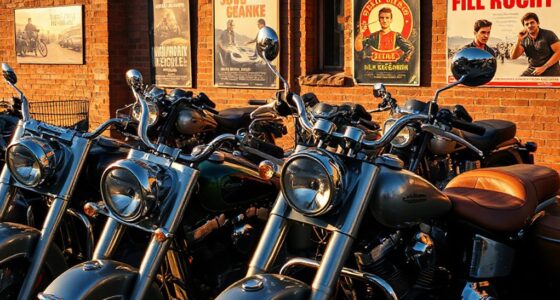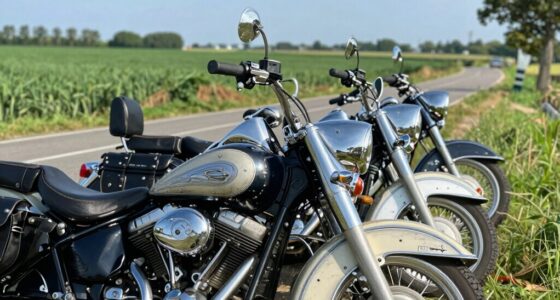
The history of the cafe racer begins in 1960s London, where rebellious youths customized surplus military bikes into fast, stylish symbols of individualism and freedom. Inspired by racing culture, they created lightweight, personalized machines that embodied speed and attitude. Over time, the scene spread globally, influencing fashion, art, and technology. Today, modern cafe racers blend vintage aesthetics with innovations like electric powertrains, maintaining their rebellious spirit—discover how this iconic culture continues to evolve.
Key Takeaways
- The café racer culture originated in 1960s London, driven by youth rebellion, motorcycle customization, and street racing traditions.
- Post-WWII surplus bikes inspired DIY modifications, shaping the distinctive style and ethos of early café racers.
- Iconic models like Triumph Bonneville and BSA Gold Star set performance and aesthetic standards for the scene.
- The culture evolved from street racing to organized clubs, influencing fashion, music, and broader rebellion movements.
- Modern café racers blend classic design with advanced technology, including electric options and customization, maintaining their legacy today.

TADAFA Retro Motorcycle Cafe Racer Seat Frame Hoop Brat Loop with LED Strip Turn Singal Tail Light Brake Light (7/8 inch Tube/Flat Loop/Width 175mm/6.89in)
- Universal Fit for Large CC Bikes: Fits subframes up to 230mm wide
- Sturdy 7/8 Inch Diameter Tube: Made with durable 2mm thick steel
- Integrated LED Light System: Includes brake, turn, tail, and driving lights
As an affiliate, we earn on qualifying purchases.
As an affiliate, we earn on qualifying purchases.
Origins and Early Days in 1950s–1960s Britain
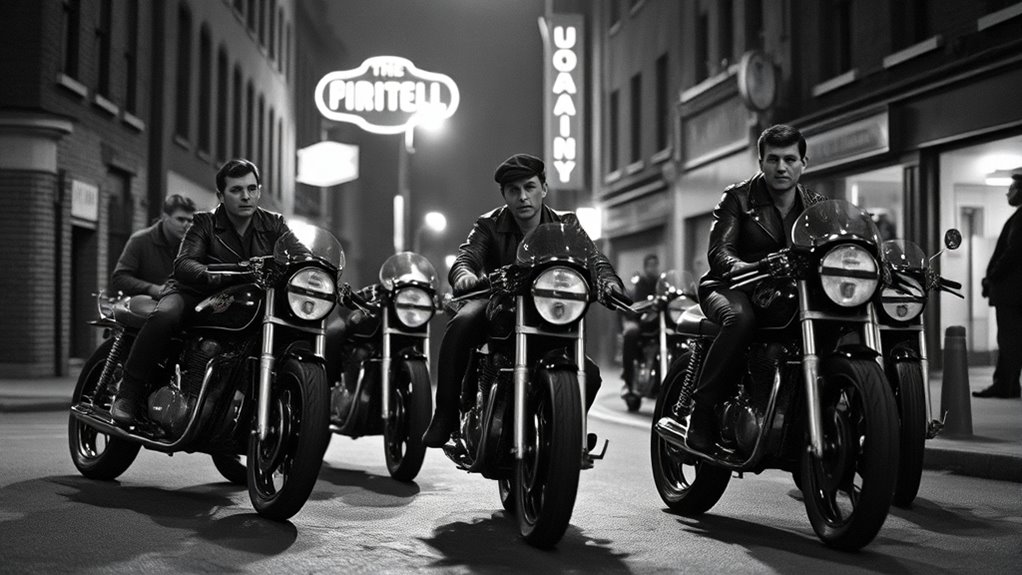
After World War II, Britain experienced significant social and economic changes that fueled the rise of motorcycle culture. With surplus military bikes available, you could easily find affordable motorcycles perfect for customization. Young people, enthusiastic for freedom and individual expression, rejected post-war conformity through rebellious activities like motorcycle racing. Roads and new highways in cities made it easier for you to participate in café-to-café racing, creating a vibrant subculture. Limited mass consumer options meant DIY modifications became popular, allowing you to tune and personalize your bike for speed and style. The emergence of the Rockers—a youth group passionate about fast motorcycles and rock ‘n’ roll—cemented this movement. Your choice of bikes from Triumph, Norton, or BSA helped define the early café racer aesthetic, blending performance with a rebellious spirit. Surplus military bikes became the foundation for many custom builds, further fueling the movement.

Cardo Refresh KIT for PACKTALK/FREECOM X/Spirit Series
- Includes cleaning pads and plates: 2 cleaning pads and multiple glue plates
As an affiliate, we earn on qualifying purchases.
As an affiliate, we earn on qualifying purchases.
The Rise of the Café Racer Subculture and Lifestyle

You’re drawn into a scene where rebellion, speed, and camaraderie define the café racer lifestyle. At these coffeehouses, riders share rituals, swap stories, and express their defiance through style and attitude. This subculture isn’t just about bikes; it’s about forging an identity rooted in independence and shared cultural rituals. Originating in mid-20th century London, the café racer movement grew out of a desire for affordable, customizable motorcycles that could deliver quick, agile performance.
Origins of Rebellion
Have you ever wondered how a rebellious motorcycle subculture took shape in post-war Britain? It all started with the Rockers, young men who modified bikes for speed and style, adopting leather jackets, slicked-back hair, and American influences like greasers and rock and roll icons. They clashed with the Mods, who preferred scooters and jazz, fueling social rivalry. Cafes like the Ace became hubs for these riders, serving as racing grounds and social centers. Their bikes were stripped down for performance, embodying a rejection of societal norms and mainstream culture. The 59 Club helped legitimize their identity by promoting safe riding and community. This rebellious spirit, centered on speed, style, and defiance, laid the foundation for the café racer’s iconic image as a symbol of youth rebellion. Additionally, the Free Floating design philosophy influenced how café racers prioritized handling and aesthetics, emphasizing form and function over comfort.
Cultural Rituals
Café racer culture thrived around key social spaces that brought riders together, with transport cafes serving as the central hubs for gathering, socializing, and organizing informal races. The Ace Café in London became an iconic meeting point and symbol of the scene, where riders bonded over motorcycle mods, speed, and rock ’n’ roll. These venues functioned as informal clubs, where riders discussed bike tech, showed off custom machines, and raced. The rituals of “café racing”—timed runs between cafes aiming for “the ton”—fostered camaraderie and reputation. Fashion reflected the rebellious spirit, with leather jackets, jeans, and boots. Music and attitude played essential roles, blending lifestyle with defiance. Over time, these rituals shaped a global subculture rooted in speed, style, and nonconformity. The rise of the café racer subculture was facilitated by the increasing popularity of motorcycle tuning and customization in the 1950s and 1960s, which contributed to the development of unique bikes and riding styles that emphasized technical innovation and personalization.

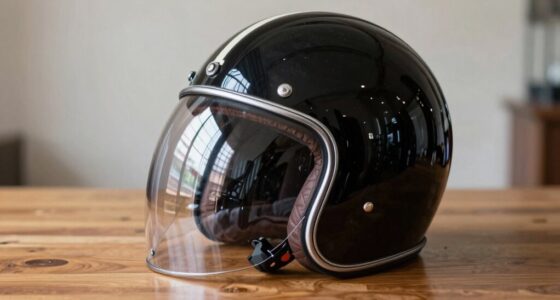
Loyoriwy DOT Retro Vintage Full Face Motorcycle Helmet,Classic Design for Men Women, Lightweight Windproof Vent, Cafe Racer & Cruiser Riding, Highway Commute, Touring (Matte Black, L)
- Size Options: M, L, XL for perfect fit
- Retro Design: Iconic vintage motorcycle style
- Comfort Fit: Ergonomic shape eliminates pressure points
As an affiliate, we earn on qualifying purchases.
As an affiliate, we earn on qualifying purchases.
Key Models and Technical Innovations
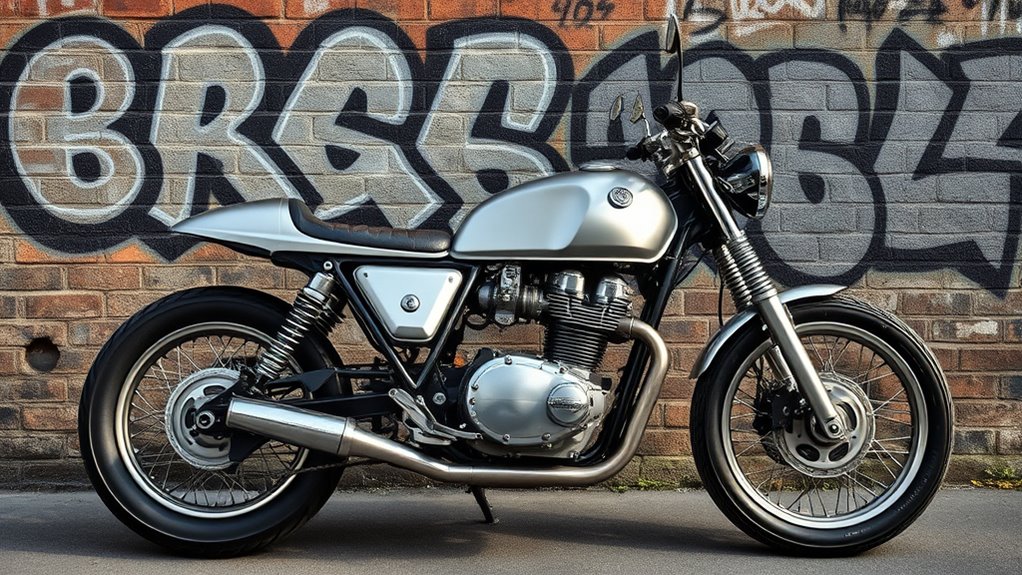
You’ll notice that certain models, like the BSA Gold Star and Triumph Bonneville, set the foundation with their lightweight, streamlined designs and racing-inspired features. Technical innovations, such as overhead camshafts and weight reduction, pushed performance further and shaped the modern café racer. These models and upgrades define the style and engineering that continue to influence café racers today. Overhead camshafts, in particular, allowed for better engine performance and higher RPMs, making these bikes more competitive and adaptable for customization. Additionally, the integration of visual and auditory cues in training methods has contributed to improvements in rider awareness and control.
Iconic Cafe Racer Models
Iconic cafe racer models showcase a blend of innovative engineering and distinctive styling that defined the classic and modern eras of the genre. The BSA Gold Star set the template for the style with its single seat, bum-stop hump, and low clip-ons, becoming a British racing staple in the 1940s and ’50s. Triumph Bonneville became a favorite platform for customization, renowned for its reliable twin engines. The Norton Manx, influential in racing, inspired many hybrid builds like the Triton, which combined Triumph engines in Norton frames, blending power and handling. Factory models like Honda’s GB500 TT and Royal Enfield’s Continental GT 650 paid homage to classic styles, while Japanese bikes like the Kawasaki Z1 and Honda CB series fueled the modern cafe racer scene with their power and versatility. Norton’s engine used in Formula 3 racing, especially the overhead camshaft single-cylinder Manx Norton, further cementing its reputation in racing history. Additionally, the development of performance modifications helped enthusiasts push the boundaries of these iconic machines.
Technical Innovations and Features
The evolution of technical features and innovations played a pivotal role in shaping the distinct character and performance of cafe racers. You’ll notice that engine tuning became key, with larger carburetors, freer exhausts, and high-compression pistons boosting power and acceleration. Swapping engines—like Triumph in Norton frames—improved speed and handling, while multi-cylinder setups, such as Kawasaki’s three-cylinder bikes, enhanced overall performance by the late 1970s. Aerodynamic mods, including clip-on handlebars, rear-set footpegs, and race-style fairings, reduced wind resistance and improved control. Frame innovations like lightweight Triton and Tribsa hybrids, plus racing frames from Rickman or Seeley, increased vehicle agility. Factory models, such as Harley’s XLCR, integrated these features, making performance improvements accessible and shaping the modern cafe racer aesthetic. Additionally, the incorporation of lightweight materials like aluminum and fiberglass further contributed to performance gains and agility.

BELMONTE BIKES 250CC Venom Sportster Chopper Cafe Racer Motorcycle 5-Speed Transmission (White)
- Engine Capacity: 250CC 5-Speed Transmission
- Design Style: Retro Chopper
- Front Tire Size: 2.75-18
As an affiliate, we earn on qualifying purchases.
As an affiliate, we earn on qualifying purchases.
The Global Spread and Influence of Café Racer Style
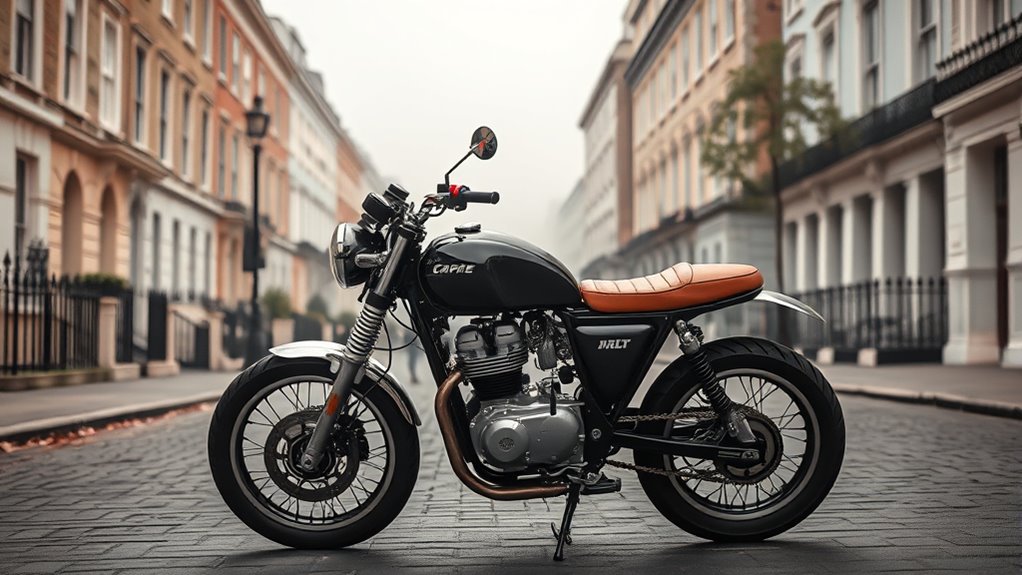
Following its origins in Britain, the café racer style quickly gained international traction as youth cultures embraced the rebellious spirit and sleek aesthetics it represented. In post-WWII Europe, Italian youth favored scooters and lightweight bikes, while Britain developed the café racer scene. By the mid-1950s, the style spread to the U.S., fueled by films like “The Wild One,” which popularized the rebellious biker image. Japanese manufacturers soon entered global markets, offering reliable, affordable bikes like Honda’s CB series, becoming popular platforms for café racer modifications worldwide. European brands like Ducati and Moto Guzzi started producing factory café racers, and Harley-Davidson released inspired models, validating the style’s popularity. Japanese bikes like Honda and Yamaha became the foundation for many custom builds, further spreading the aesthetic. Today, café racers symbolize a global lifestyle rooted in customization, heritage, and motorcycle culture’s evolving identity, with market trends continuously shaping their development.
Cultural Significance and Legacy
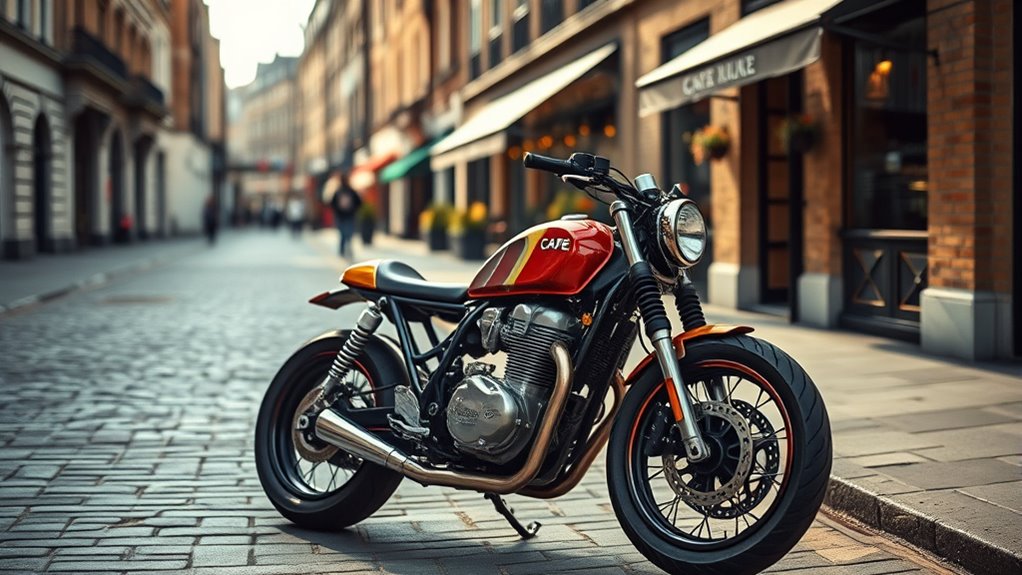
Café racer culture emerged in 1960s Britain as a powerful symbol of youth rebellion and individualism. It represented freedom, speed, and anti-establishment attitudes that resonated with young riders. Riders customized bikes to express their personalities, often stripping them of unnecessary parts, embodying a rejection of mainstream consumerism. The culture influenced fashion, music, and art, creating a broader movement rooted in rebellion and personal expression. Over time, its reputation shifted from rowdy street racing to respectability through organized clubs like the 59 Club, promoting positive values. This legacy persists today, inspiring modern restoration and customization. The movement’s roots in post-war austerity also reflected a desire for self-sufficiency and innovation among young people. The table below illustrates the core values and their deeper meanings:
| Core Values | Deeper Meaning |
|---|---|
| Rebellion | Challenging societal norms |
| Individualism | Personal expression and identity |
| Craftsmanship | Pride in skill and artistry |
Contemporary Trends and Modern Interpretations
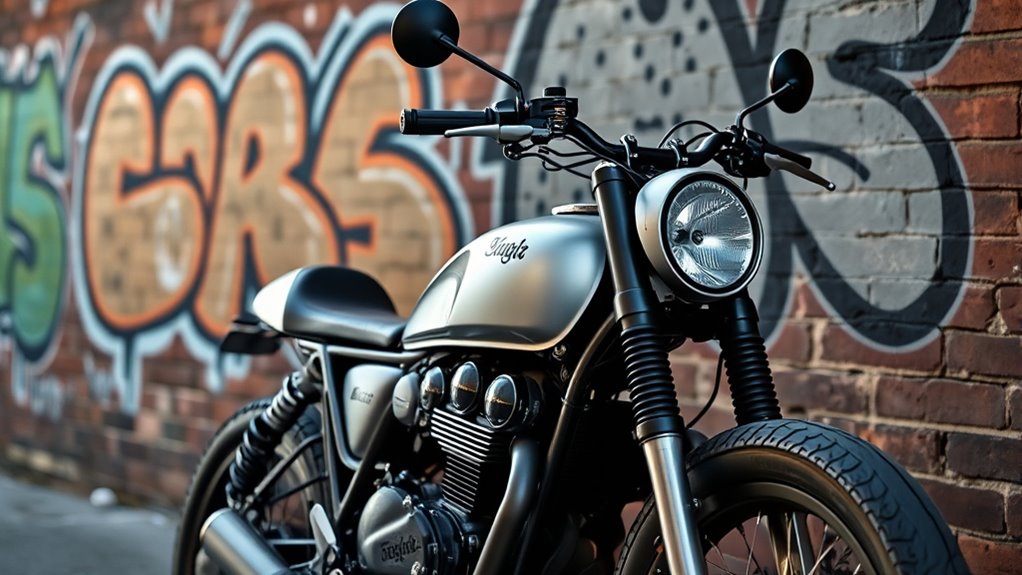
In recent years, urban environments have sparked a revival of cafe racer culture, with modern models gaining popularity for their agility and stylish design in busy city traffic. You’ll notice a blend of nostalgia and innovation, as classic aesthetics meet modern engineering, appealing to both seasoned enthusiasts and new riders. Compact and nimble, these bikes are perfect for steering through crowded streets like Singapore or European cities. Leading models such as the Triumph Speed Twin 1200 Café Edition and Kawasaki Z900RS Café Racer combine retro charm with advanced technology, offering customizable options like LED lighting, carbon fiber parts, and bold color schemes. Minimalist designs with personalized touches—airbrushing, digital components—highlight a trend toward individuality. Manufacturers incorporate safety features like ABS and traction control, while exploring electric options for sustainability, shaping cafe racers for today’s urban rider. Urban congestion has increased demand for nimble, stylish transportation options. Additionally, many manufacturers now focus on safety features like anti-lock braking systems and traction control to enhance rider confidence and security in dense city environments.
The Future of Café Racer Culture
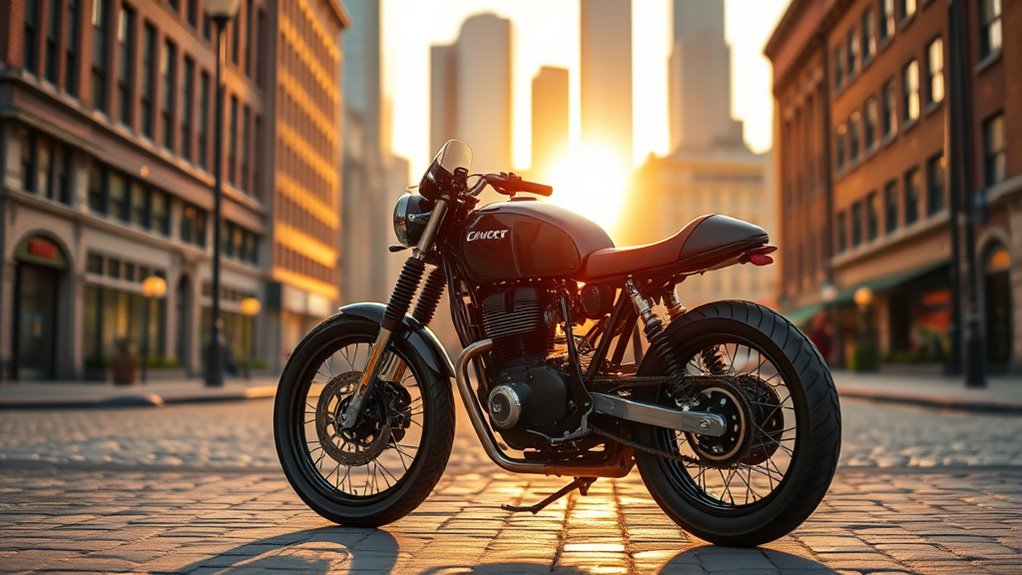
Technological innovations are transforming the future of café racer culture, with electric powertrains and high-tech features becoming increasingly prominent. Electric café racers, driven by advances in battery tech and lightweight motors, are gaining popularity. Brands like Zero Motorcycles and LiveWire offer customizable platforms that influence modern builds. These bikes deliver silent operation and high torque, changing traditional performance expectations. High-tech features like digital dashboards and connectivity enhance rider experience and design possibilities. Sustainability concerns are also fueling interest in electric and hybrid models among new riders. The adoption of electric technology is also reducing maintenance costs and emissions, making café racers more environmentally friendly. Additionally, improvements in blockchain technology are creating new opportunities for digital customization and secure ownership records in the motorcycle community. Personalization continues to evolve, with riders customizing everything from exhausts to suspensions, supported by online communities and workshops. As the culture adapts, it maintains its core values of creativity and individuality while embracing innovation and eco-friendliness.
Frequently Asked Questions
How Did the Café Racer Style Influence Modern Motorcycle Design?
The cafe racer style influences your motorcycle design by emphasizing minimalist, lightweight frames that boost speed and agility. You’ll notice modern bikes adopting retro aesthetics like teardrop tanks and low handlebars, combined with advanced technology such as fuel injection and improved braking. This blend of vintage look and modern performance creates streamlined, raw bikes that are both stylish and functional, inspiring customization and shaping industry trends worldwide.
What Role Did Music Play in Shaping Café Racer Culture?
Music played a pivotal role in shaping café racer culture by creating a rebellious, energetic atmosphere that bonded riders. You’d start races with a catchy rock ‘n’ roll song, making music your timer and adrenaline boost. The loud, fast-paced tunes fueled camaraderie at cafés, reinforced the rebellious identity, and influenced the style and attitude of riders. It’s no coincidence that bands and motorcycle culture became intertwined, echoing freedom and defiance.
Are There Specific Techniques for Customizing a Café Racer Today?
You can customize a café racer today using simple bolt-on kits like headlights, indicators, and brackets for quick style updates. Upgrading to a sleek solo seat or clip-on handlebars transforms your bike’s look and stance. Basic tools handle most modifications, and a gradual approach helps you build skills. For advanced tweaks, consider sanding, repainting, or CNC-machining metal parts, and add LED lighting or personalized grips for a truly unique finish.
How Do Modern Café Racers Differ From Vintage Models?
They say “the devil is in the details,” and modern café racers differ from vintage models through sleek, ergonomic updates. You’ll notice contemporary styling with streamlined tanks, LED lights, and advanced materials. They combine retro charm with modern performance, featuring better suspension, braking, and rider comfort. While vintage bikes highlight DIY craftsmanship, today’s models emphasize factory precision, reliability, and street-ready practicality—making your ride both stylish and functional.
What Are the Most Popular Events Celebrating Café Racer Heritage?
You’ll find the Ace Cafe Reunion in London, celebrating British culture with vintage bikes and live music, and Wheels and Waves in Biarritz, blending café racers with surfing and skate contests. Glemseck 101 near Stuttgart focuses on custom bikes and sprint races, while Faro Motorcycle Rally in Portugal offers coastal rides and concerts. In North America, events like AMA Vintage Motorcycle Days and Chicago’s Motoblot showcase classic café racers through races, shows, and social gatherings.
Conclusion
Today, over 50% of motorcycle enthusiasts worldwide embrace café racer aesthetics, proving its lasting appeal. You’ve seen how this culture evolved from rebellious London streets to a global phenomenon influencing modern design and lifestyle. The spirit of innovation, individuality, and freedom continues to inspire new riders and builders. As café racers adapt to contemporary trends, their legacy remains bold and vibrant, proving that the passion for sleek, personalized bikes isn’t fading anytime soon.