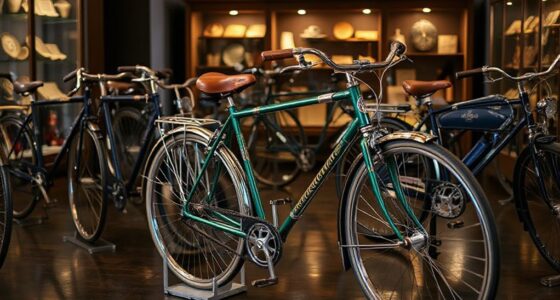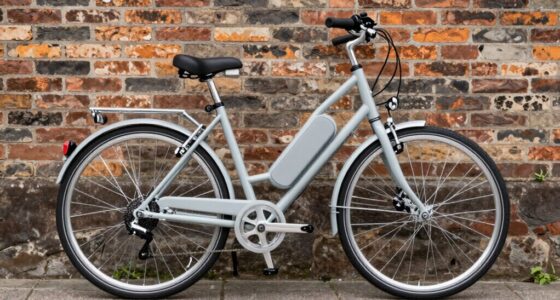
You need to adapt your riding habits on classic bikes because their handling, braking, and throttle responses differ from modern motorcycles. They rely on manual tuning, and their tires or braking systems aren’t as responsive, requiring more caution. You’ll need to control the throttle more carefully and brake earlier. Recognizing these differences helps improve safety and riding enjoyment. If you keep these tips in mind, you’ll better understand how to ride a vintage bike with confidence and skill.

Get business pricing on garage and car supplies
- Business-only prices and quantity discounts
- Tax-exempt purchasing
- Multiple users, one account, clear invoices
Key Takeaways
- Vintage bikes have less responsive brakes, requiring earlier and more cautious braking techniques.
- Their handling dynamics differ due to heavier weight and different suspension, needing smoother, more deliberate movements.
- Throttle response is slower, so anticipating engine behavior is essential for smooth acceleration.
- Tire pressure and maintenance affect grip, requiring attentive adjustments for safe riding.
- Engine tuning and mechanical differences demand adapted riding styles to prevent damage and ensure safety.
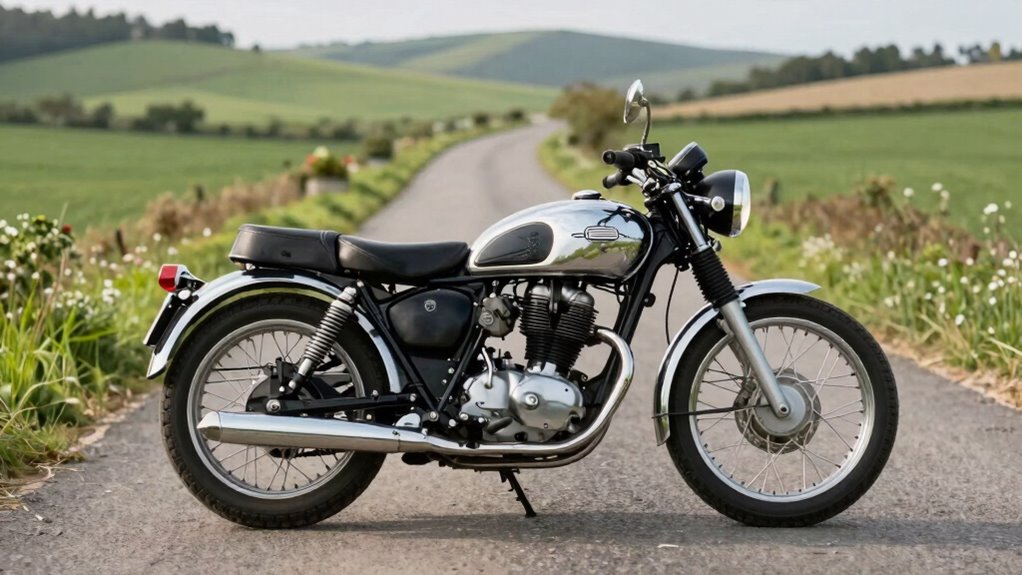
If you’re used to riding modern bikes, you might not realize that classic bikes demand a different approach to riding. These vintage machines are built with different materials, engineering principles, and riding dynamics, which means your usual habits might not be enough to keep them performing at their best. One of the most important aspects to ponder is engine tuning. Unlike modern bikes, which often come with electronic fuel injection and advanced diagnostics, classic bikes rely on carburetors and manual adjustments. You need to be attentive to the engine’s behavior, listening for irregularities, and adjusting the carburetor settings accordingly. Proper engine tuning guarantees smooth power delivery and prevents unnecessary wear or damage. Don’t overlook the importance of periodic tuning; neglecting it can lead to poor performance, increased fuel consumption, or even engine trouble.
Alongside engine tuning, tire pressure plays a pivotal role in your classic bike’s handling and safety. Unlike newer models that often have built-in pressure monitoring systems, vintage bikes require you to check and maintain tire pressure regularly. Because these bikes are typically lighter and less equipped with modern suspension technology, correct tire pressure becomes even more indispensable. Too much air can make the ride harsh and reduce grip, especially on uneven roads or rough terrain, while too little air can cause sluggish handling and increase the risk of tire blowouts. You should always follow the manufacturer’s recommended tire pressure, which you’ll find in the manual or on the sidewall of the tires. Make it a habit to check your tires before each ride, especially if you’ve stored the bike for a while or if you notice any irregularities in handling. Additionally, understanding the materials and engineering principles used in classic bikes can help you better appreciate their unique handling characteristics. Regular maintenance, including engine tuning and tire pressure checks, helps you avoid potential issues and assures a safer, more enjoyable ride. It’s also beneficial to familiarize yourself with vintage bike technologies, as this knowledge can improve your ability to troubleshoot and adapt your riding style accordingly. Developing a good understanding of proper maintenance practices is essential for keeping your classic bike in top condition and ensuring longevity. Riding a classic bike also means adjusting your riding style to its unique characteristics. You’ll need to be more mindful of your throttle control, leaning into turns more carefully, and braking earlier to compensate for the different braking systems. These bikes often don’t have the same quick response or stability as modern counterparts, so your awareness and anticipation are indispensable. Developing a riding technique suited to vintage bikes can significantly enhance your safety and riding pleasure. Remember that riding a classic bike isn’t just about getting from point A to B; it’s about connecting with an era when bikes were simpler but demanded more attention and skill. By adopting different riding habits, you’ll respect the machine’s needs and enjoy every moment on the road. Proper knowledge of engine tuning and maintenance can make a noticeable difference in your riding experience.
As an affiliate, we earn on qualifying purchases.
Frequently Asked Questions
Are Classic Bikes Suitable for Long-Distance Riding?
Yes, classic bikes are suitable for long-distance riding, but you should consider their vintage aesthetics and mechanical reliability. These bikes often have unique charm and character, making your journey more special. However, you need to be mindful of their mechanical needs, ensuring regular maintenance and careful handling. With proper preparation, you can enjoy extended rides while appreciating the timeless appeal and dependability of your classic bike.
How Often Should I Perform Maintenance on a Classic Bike?
You should perform maintenance on your classic bike every 500 to 1,000 miles or at least once a season to keep it mechanically reliable. Regular checks help preserve its vintage aesthetics and prevent breakdowns. You’ll want to inspect the engine, brakes, chain, and tires regularly. Don’t forget to oil moving parts and adjust components as needed. Consistent maintenance guarantees your bike stays reliable and retains its timeless charm.
Can I Upgrade a Classic Bike With Modern Parts?
Think of your classic bike as a vintage painting that deserves careful framing. Yes, you can upgrade it with modern parts, but you need to navigate compatibility issues like a skilled sailor dodging hidden reefs. Modern upgrades can enhance performance and comfort, yet they require precise fitting and adjustments. Approach this project with patience, ensuring each new piece harmonizes with the bike’s timeless character rather than overpowering it.
What Safety Gear Is Recommended for Riding Classic Bikes?
You should always wear protective gear and proper riding attire when riding classic bikes. A well-fitting helmet is essential for head protection, while gloves and sturdy riding boots safeguard your hands and feet. Consider wearing a leather or reinforced jacket and pants for added abrasion resistance. Bright, visible clothing helps improve visibility to other drivers. Prioritizing safety gear guarantees you stay protected and comfortable, especially since classic bikes may have different handling characteristics.
How Do Weather Conditions Affect Classic Bike Riding?
You might think weather doesn’t matter, but it seriously impacts your classic bike riding experience. Rain, wind, or extreme heat can threaten your riding comfort and safety. A sudden downpour can turn your vintage ride into a slip-and-slide, while heat saps your concentration. Embrace the weather impact by adjusting your riding habits—wear the right gear, plan routes carefully, and stay alert—to keep enjoying your classic bike, rain or shine.
classic bike tire pressure gauge
As an affiliate, we earn on qualifying purchases.
As an affiliate, we earn on qualifying purchases.
Conclusion
Remember, riding a classic bike is like dancing with history—each move must be in harmony with its vintage soul. You’re not just steering a machine; you’re embracing a bygone era that whispers stories through every turn and pedal. So, tread softly and ride with respect, allowing your habits to blend seamlessly with its timeless rhythm. In doing so, you’ll keep the melody of the past alive, echoing beautifully with every mile you conquer.
manual carburetor tuning kit for vintage bikes
As an affiliate, we earn on qualifying purchases.
As an affiliate, we earn on qualifying purchases.
motorcycle maintenance tools for classic bikes
As an affiliate, we earn on qualifying purchases.
As an affiliate, we earn on qualifying purchases.
Halloween Picks
halloween
As an affiliate, we earn on qualifying purchases.