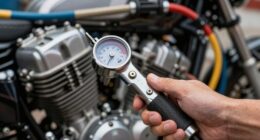
To upgrade your clutch for higher horsepower classics, choose stronger materials like ceramics, sintered metals, or reinforced organic compounds that resist heat and wear. Enhancing clutch engagement with modified pressure plates and fine-tuned pedal adjustments improves grip, response, and durability. Properly balancing these upgrades guarantees greater torque handling and longer lifespan. If you’re curious about optimizing your setup further, you’ll find more tips to keep your classic performing reliably under increased power.
Key Takeaways
- Use high-quality ceramic or sintered metal materials to withstand increased heat and stress from higher horsepower.
- Select performance pressure plates and friction surfaces for aggressive grip and smoother engagement.
- Fine-tune clutch pedal travel and preload to optimize engagement and prevent slipping or chatter.
- Consider additional upgrades like high-performance flywheels for better power transfer and durability.
- Properly adjust and tune the clutch system to ensure reliable operation and longevity under increased torque demands.
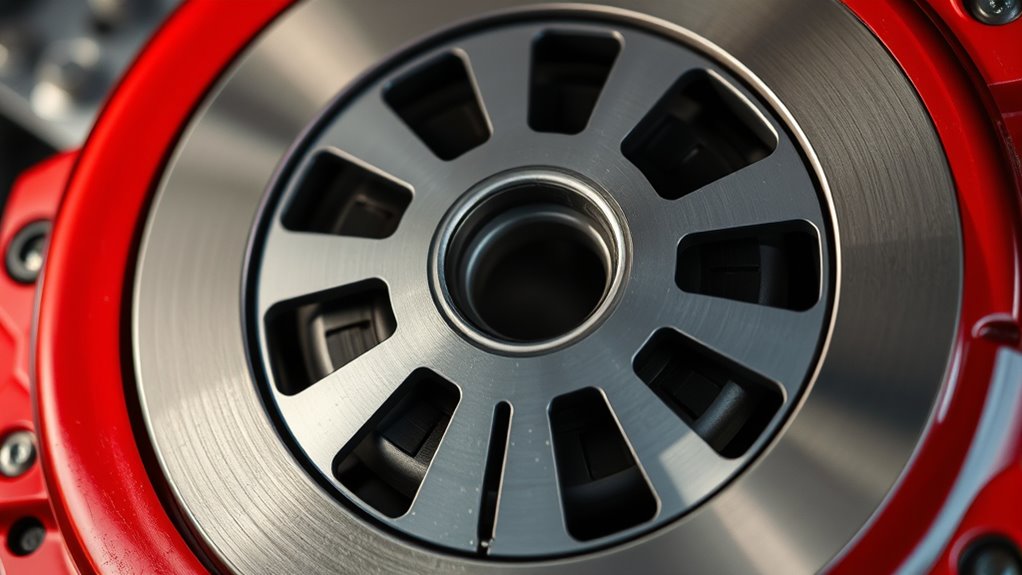
Are you looking to improve your vehicle’s performance and reliability? Upgrading your clutch is one of the most effective ways to handle higher horsepower and guarantee your classic car runs smoothly under increased stress. When considering stronger clutches, it’s essential to focus on performance materials that can withstand the demands of higher torque and power. High-quality ceramics, sintered metals, and reinforced organic compounds are common choices, offering improved durability without sacrificing too much in daily driving comfort. These materials resist heat buildup and wear better than stock components, giving you confidence that your clutch can handle the extra power over time.
Choosing the right engagement techniques is equally important. You want a clutch that offers a controlled, predictable engagement, especially when driving a high-horsepower classic. A performance clutch often features a modified pressure plate and disc, designed to provide a more aggressive grip without causing slip or chatter. This means you’ll experience quicker, smoother engagement, which is vital during spirited driving or racing scenarios. The key is finding a balance—an engaging feel that gives you confidence in your control, without being so abrupt that it becomes difficult to drive daily. Many upgraded clutches incorporate specialized friction surfaces that enhance grip, allowing you to transfer power more efficiently from the engine to the wheels.
Installing a stronger clutch isn’t just about choosing the right materials; it’s also about understanding how to optimize engagement techniques. Techniques like adjusting the pedal free play, pressure plate preload, or even fine-tuning the clutch pedal’s travel can make a notable difference in how the clutch responds. These adjustments help you achieve a smoother engagement, reducing the chances of slipping or premature wear. If you’re serious about handling higher horsepower, you might also consider performance flywheels that complement the clutch upgrade, ensuring everything works harmoniously under increased loads. Additionally, considering European cloud servers for vehicle data management can help track and analyze performance metrics for ongoing optimization.
Upgrading your clutch is an investment in your vehicle’s longevity and performance. It’s not just about adding strength—it’s about optimizing engagement to match your driving style and power goals. By carefully selecting performance materials and employing effective engagement techniques, you’ll enjoy a more responsive, reliable clutch that can handle the increased demands of higher horsepower engines. Whether you’re hitting the track or just want a more confident feel behind the wheel, a stronger clutch tailored to your needs can greatly elevate your driving experience.

Raybestos Powertrain GM 4L60/E with High Energy 3-4 Clutch Friction Clutch Pack – RCP96-087
Unique blend of Kevlar, ceramics, graphite and carbon
As an affiliate, we earn on qualifying purchases.
As an affiliate, we earn on qualifying purchases.
Frequently Asked Questions
How Do I Know if My Clutch Needs Upgrading?
You’ll know your clutch needs upgrading if you notice slipping, difficulty shifting, or a spongy pedal. When upgrading clutch components, consider clutch material selection—stiffer materials like ceramics handle higher horsepower better. If you’ve increased your car’s power or are experiencing these issues, it’s time to upgrade your clutch. Doing so guarantees better grip, durability, and performance, especially for high-horsepower classics.
Are Aftermarket Clutches Compatible With All Classic Cars?
Imagine fitting a custom glove—your classic car’s aftermarket clutch compatibility depends on specific modifications. Not all aftermarket clutches suit every vintage model, so you need to check compatibility carefully. When upgrading for higher horsepower, verify the clutch aligns with your car’s make and modifications. Consult experts or manufacturers to confirm your classic’s compatibility, ensuring smooth performance and avoiding mismatched parts that could cause issues down the road.
What Is the Typical Lifespan of a High-Performance Clutch?
A high-performance clutch typically lasts between 20,000 to 50,000 miles, but this varies based on clutch material durability and your driving habits. If you use quality materials like ceramic or Kevlar and follow proper installation techniques, it can prolong its lifespan. Aggressive driving or frequent track use may shorten it. Regular inspections and proper maintenance ensure your clutch performs well and lasts as long as possible.
How Does Clutch Upgrade Affect Daily Driving Comfort?
Upgrading your clutch can make daily driving less comfortable initially, as you might notice a firmer clutch pedal feel and slightly more effort needed to shift gears. However, with proper installation and adjustment, you’ll still enjoy smooth gear shifts and manageable pedal pressure. Over time, you’ll appreciate the increased durability and performance, especially if you drive higher horsepower classics, making your daily commutes more confident and enjoyable.
Can I Upgrade My Clutch Myself or Should I Seek Professional Help?
You can attempt a DIY installation if you have the right tools and experience, but it’s often best to seek professional assessment. Upgrading your clutch involves complex steps that can affect your vehicle’s performance and safety if done incorrectly. A professional mechanic ensures proper installation, reduces risks, and saves you time. If you’re unsure, consulting a specialist is the smartest move to guarantee a reliable, high-quality upgrade.

CILOYU Mini Bike 4" Centrifugal Clutch Brake Band Kit Compatible with Predator 212 196cc Tillotson GX140 GX160 GX200 Coleman CT200U CT200U-EX BT200X Baja Warrior Trailmaster MB165 MB200 Go Kart Parts
Fitment: Mini bike clutch brake kit with 4 in go kart brake band, mounting bracket kit and 65"…
As an affiliate, we earn on qualifying purchases.
As an affiliate, we earn on qualifying purchases.
Conclusion
Upgrading your clutch is like giving your classic muscle car a shot of adrenaline—you’ll feel the difference every time you hit the gas. I once watched a friend’s vintage Camaro, after a clutch upgrade, launch off the line smoother and faster than ever. Just like a well-fitted shoe, a stronger clutch keeps everything running seamlessly, handling higher horsepower with confidence. Don’t settle for less—upgrade, and enjoy the thrill of your classic’s full potential.
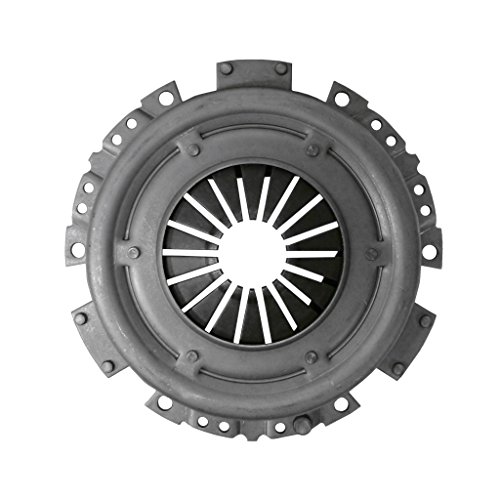
AA Performance Products Pressure Plate 200mm Type 1, 2, & 3 Late 71 to 79
AA Performance Products
As an affiliate, we earn on qualifying purchases.
As an affiliate, we earn on qualifying purchases.

Super 30 Series Torque Converter Driver Clutch With Belt, Compatible With Predator 224 212cc 196cc, Honda, Briggs Stratton Engines, Coleman Baja Massimo Mini Bikes, Black, 30 Series TAV Kits 3/4" Bore
【REPLACEMENT】Experiencing inconsistent RPM, belt slippage, or unusual noises? Replace your stock 30 Series driver clutch with the Super…
As an affiliate, we earn on qualifying purchases.
As an affiliate, we earn on qualifying purchases.