
Your old motorcycle battery keeps dying because you might be neglecting proper maintenance, such as checking terminals for corrosion or monitoring electrolyte levels. Repeated improper charging—using incompatible chargers or overcharging—causes internal damage and reduces lifespan. Ignoring signs of trouble, like swelling or slow starts, can lead to failure. Storage conditions also affect performance. If you want to understand how to extend your battery’s life and avoid common mistakes, keep exploring these essential tips.
Key Takeaways
- Aging batteries lose capacity and become more prone to failure over time.
- Poor maintenance, such as corrosion or low electrolyte levels, accelerates battery deterioration.
- Using incorrect or incompatible chargers can overcharge or undercharge, damaging the battery.
- Neglecting to address signs of damage or swelling leads to premature battery death.
- Environmental factors and improper storage can cause internal damage and reduce battery lifespan.
If your old motorcycle battery keeps dying, it’s likely because it’s reached the end of its lifespan or isn’t being properly maintained. Batteries naturally degrade over time, especially if you neglect routine checks or ignore signs of trouble. Many riders assume that simply charging their batteries regularly is enough to keep them alive, but there are common charging myths that can actually do more harm than good. Believing that a quick boost of power is all you need can lead to neglecting proper battery maintenance, which is essential for longevity.
Proper maintenance and avoiding charging myths are key to extending your motorcycle battery’s life.
One of the biggest mistakes you might make is assuming that charging your battery frequently will fix underlying issues. While regular charging is important, it’s equally critical to understand how your charging habits impact battery health. For instance, overcharging can cause the battery to swell or develop internal damage, while undercharging can lead to sulfation—a buildup of lead sulfate crystals that reduce capacity. These issues aren’t always fixed by just plugging in your charger. Instead, you need to use a smart charger that adjusts its output based on the battery’s needs and regularly check the battery’s condition. Additionally, understanding the effects of improper charging can help you avoid unintentional damage to your battery.
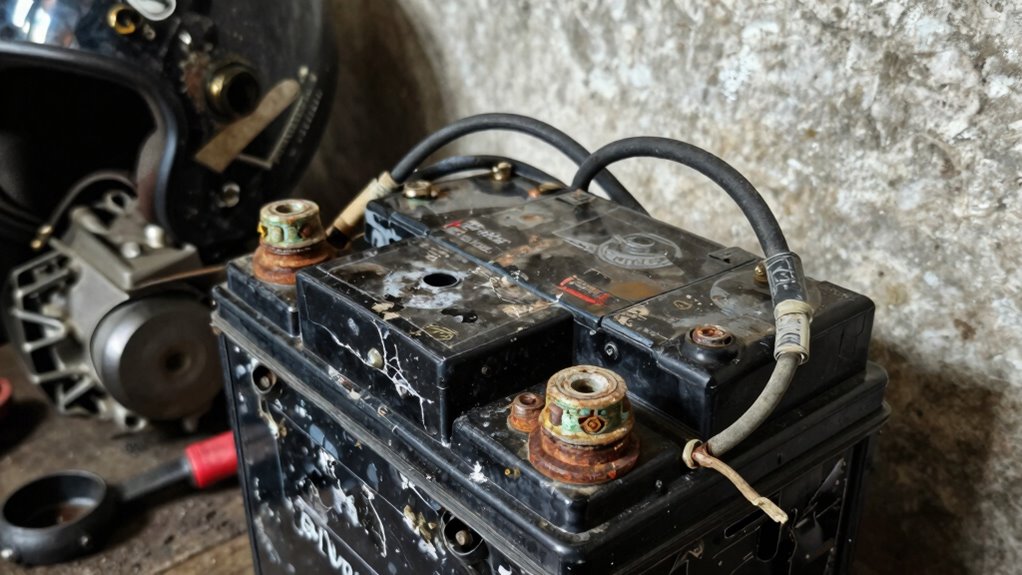
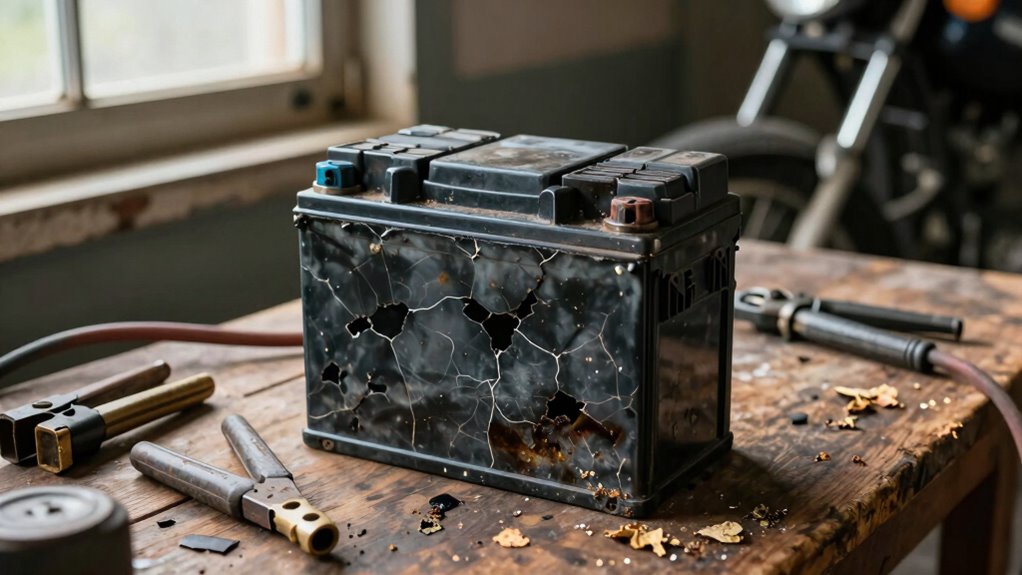
Battery maintenance isn’t just about charging; it’s also about keeping terminals clean, checking for corrosion, and ensuring the electrolyte levels are adequate if you’re using a traditional lead-acid battery. Corrosion can impede electrical flow, causing starting problems and reducing overall performance. Regularly inspecting your battery and cleaning the terminals with a mixture of baking soda and water can prevent many common issues. Moreover, using proper storage techniques during periods of inactivity can prevent battery deterioration caused by environmental factors. Additionally, if you notice the battery is swelling or leaking, it’s time to replace it—continuing to use a damaged battery can not only cause starting issues but also damage your motorcycle’s electrical system. Proper battery maintenance is crucial to extend its lifespan and ensure reliable performance.
Furthermore, using appropriate charging equipment is vital to avoid damaging your battery and prolong its life.

NOCO GENIUS1: 1A 6V/12V Smart Battery Charger – Automatic Maintainer, Trickle Charger & Desulfator with Overcharge Protection & Temperature Compensation – for Lead-Acid & Lithium Batteries
MEET THE GENIUS1 — Similar to our G750, just better. It's 35% smaller and delivers over 35% more…
As an affiliate, we earn on qualifying purchases.
As an affiliate, we earn on qualifying purchases.
Frequently Asked Questions
How Can I Tell if My Motorcycle Battery Is Truly Dead?
To tell if your motorcycle battery is truly dead, start with battery testing. Use a multimeter to measure the voltage; a healthy, fully charged battery should read around 12.6 volts. If it’s below 12 volts, your battery is likely dead or near death. Consistently low voltage readings during testing indicate it can’t hold a charge anymore, signaling you need a replacement. Proper voltage measurement is key to diagnosing your battery’s condition.
What Are the Best Practices for Maintaining an Old Motorcycle Battery?
To sustain an old motorcycle battery, you should regularly check its charge and keep terminals clean. Use proper charging techniques, like slow or trickle charging, to avoid overloading. When the battery finally reaches the end of its life, recycle it responsibly through battery recycling programs. Keep the battery topped off with distilled water if it’s a traditional type, and guarantee it’s securely mounted to prevent vibrations that can cause damage.
Can a Faulty Alternator Cause My Battery to Die Prematurely?
Think of your motorcycle’s charging system as the heart of your bike—if it falters, everything suffers. A faulty alternator causes voltage fluctuation, preventing your battery from charging properly. This leads to premature death, just like a heart that skips beats. If your charging system isn’t working right, your battery can’t hold a charge, making it die early. Regular checks on your alternator and voltage levels can prevent this.
How Often Should I Replace My Motorcycle Battery?
You should replace your motorcycle battery every 3 to 5 years, depending on its condition. Keep an eye out for signs like battery corrosion and poor charging habits, which can shorten its lifespan. Regularly clean corrosion and verify your charging system works properly to extend the battery’s life. If your battery shows frequent issues, it’s a good idea to replace it sooner rather than later to avoid unexpected breakdowns.
Are There Specific Brands or Types of Batteries Better for Older Motorcycles?
For your older motorcycle, choose batteries from trusted brands known for longer battery lifespan, like Yuasa or Deka. These often have better durability and reliability. It’s also essential to recycle your old battery properly, as it supports environmental health and ensures safety. Using a high-quality battery suited for older models can prevent frequent failures, and regular maintenance helps extend its life. Always verify compatibility with your motorcycle’s specifications.
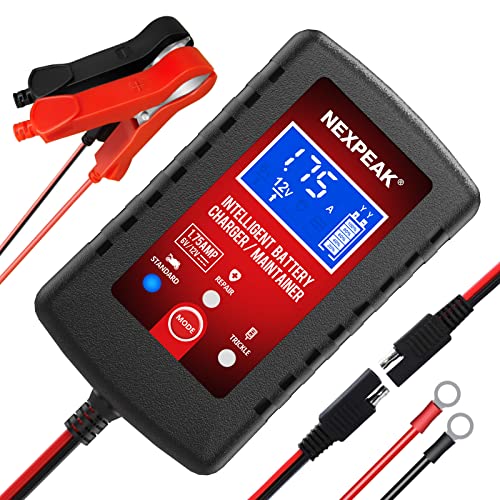
1.75-Amp Car Battery Charger, 6V and 12V Smart Fully Automatic Battery Charger Maintainer, Trickle Charger, Battery Desulfator for Car, Lawn Mower, Motorcycle, Boat, Marine Lead Acid Batteries
【Battery Charger, Maintainer&Desulfator】An compact size portable 4 in 1 battery charger, battery maintainer, trickle charger, and battery desulfator….
As an affiliate, we earn on qualifying purchases.
As an affiliate, we earn on qualifying purchases.
Conclusion
So, if your motorcycle battery keeps dying, it’s like trying to run a marathon with a leaky fuel tank—you’ll never make it far. Regular maintenance, checking for corrosion, and ensuring your charging system works properly can help keep your battery alive and kicking. Think of your battery as the heart of your bike; if it’s weak or worn out, everything else suffers. Keep it healthy, and your ride will stay lively and ready for adventure.

TKDMR Battery Terminal Cleaners (2 pcs),12 pcs Battery Terminal Anti-Corrosion Fiber Washers (6 Red & 6 Green) for Car Marine Battery
Quantity: comes with 10 pieces battery anti-corrosion washers(5 red & 5 green) and 2pcs Battery Terminal Cleaning Brush.
As an affiliate, we earn on qualifying purchases.
As an affiliate, we earn on qualifying purchases.
NOCO GENIUS1: 1A 6V/12V Smart Battery Charger – Automatic Maintainer, Trickle Charger & Desulfator with Overcharge Protection & Temperature Compensation – for Lead-Acid & Lithium Batteries
MEET THE GENIUS1 — Similar to our G750, just better. It's 35% smaller and delivers over 35% more…
As an affiliate, we earn on qualifying purchases.
As an affiliate, we earn on qualifying purchases.