
To spot a bad regulator rectifier on your older bike, look for signs like dimming headlights, flickering instruments, or a dead battery. Use a multimeter to check voltage; it should be around 13.5–14.5V when the engine runs. Inspect visually for burnt or swollen parts, and test diodes for proper flow. If you notice these issues, further checks can confirm if the rectifier is at fault—stay with us to learn more.
Key Takeaways
- Check for dimming headlights or flickering instrument panels during engine operation.
- Measure voltage output with a multimeter; readings outside 13.5–14.5V indicate potential issues.
- Inspect the rectifier visually for burnt, swollen, corroded, or melted components.
- Test diodes individually with a multimeter for proper one-way current flow.
- Observe battery behavior; dead, weak, or overcharged batteries can signal rectifier failure.
If your older bike is showing electrical issues, it’s essential to determine whether the regulator rectifier is failing. This component plays a vital role in maintaining your bike’s electrical system by converting alternating current (AC) from the alternator into direct current (DC) used by the battery and electrical components. When it malfunctions, you might notice dimming headlights, flickering instrument panels, or even a dead battery. To diagnose the problem, start with alternator testing. Use a multimeter to check the voltage output of your alternator when the engine runs at a normal RPM. A healthy alternator should produce a steady voltage, typically between 13.5 and 14.5 volts. If the voltage exceeds this range, it could indicate that the regulator rectifier isn’t regulating the voltage properly, leading to overcharging. Conversely, if the voltage is too low, it suggests the rectifier isn’t converting AC to DC effectively, which hampers battery charging.
While performing alternator testing, don’t forget to assess your battery’s health. A weak or failing battery can mimic signs of a faulty regulator rectifier, so it’s important to perform a battery health assessment. Use your multimeter to check the battery’s voltage with the engine off; it should read around 12.6 volts for a fully charged battery. With the engine running, the voltage should increase to roughly 13.5-14.5 volts. If it remains below 13 volts or fluctuates considerably, your battery might be draining or deteriorating, which can cause electrical issues that seem like a rectifier failure. In some cases, a failing battery can also overload the regulator rectifier, making it appear faulty when it’s actually the battery’s problem. Recognizing voltage regulation issues early can prevent further damage to your bike’s electrical system. Additionally, understanding the signs of failure can help you identify issues before they lead to more severe damage. It’s also helpful to familiarize yourself with the typical symptoms of a failing rectifier to catch problems early. Furthermore, regularly inspecting the components of the electrical system can help detect early signs of wear or damage. Paying attention to early warning signs can save you time and money on repairs.
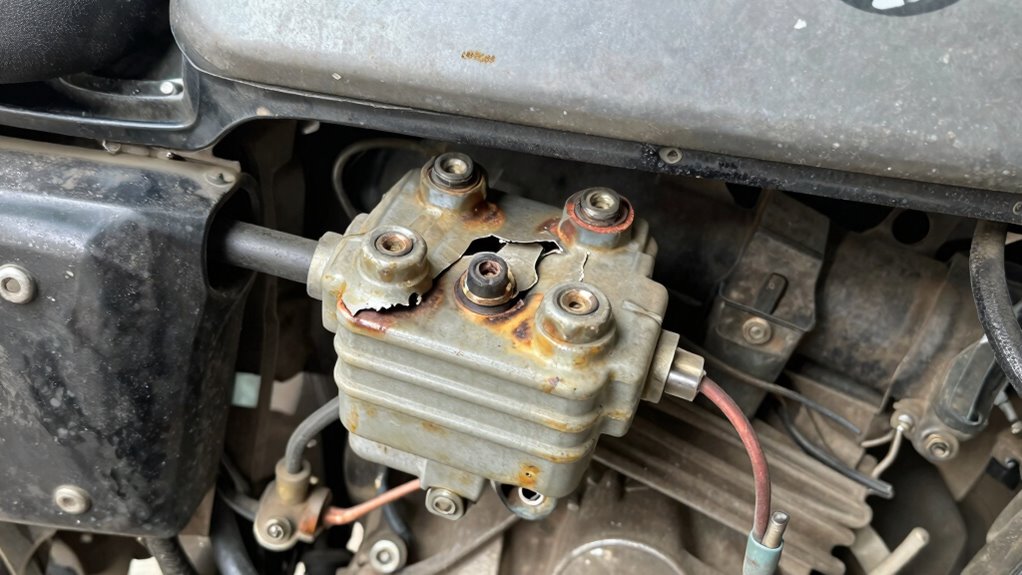
If both your alternator testing and battery assessment point toward an issue with voltage regulation, it’s time to inspect the regulator rectifier directly. Look for obvious signs of damage, such as burnt or swollen components, corrosion, or melted wires. Testing the rectifier diodes with a multimeter can confirm if they’re functioning properly—diodes should allow current to flow in one direction only. If your tests reveal that the diodes are shorted or open, replacing the regulator rectifier is necessary to restore proper electrical performance. Remember, electrical issues caused by a faulty regulator rectifier can lead to long-term damage if left unresolved, so thorough testing and prompt replacement are key to keeping your older bike running smoothly.

Voltage Regulator Rectifier Motorcycle Voltage Rectifier Universal for Go Kart And Boat Motors, DIY Engines
【Good Heat Dissipation】– Voltage regulator Using heat sink design, our regulator rectifier has good heat dissipation and long…
As an affiliate, we earn on qualifying purchases.
As an affiliate, we earn on qualifying purchases.
Frequently Asked Questions
What Are the Common Symptoms of a Failing Regulator Rectifier?
You’ll notice the alternator isn’t functioning properly when your bike’s electrical system becomes inconsistent. A failing regulator rectifier disrupts voltage regulation, causing your lights to flicker or dim, and the battery to drain quickly. You might also see a warning light on your dashboard. These symptoms indicate the regulator rectifier isn’t maintaining the proper voltage, which can lead to further electrical issues if not addressed promptly.
How Often Should I Inspect My Regulator Rectifier?
You should inspect your regulator rectifier regularly—every few months or whenever you notice electrical issues. During battery maintenance and electrical troubleshooting, look for signs like overheating, corrosion, or loose connections. Consistent inspections help catch problems early, preventing battery drain or charging system failures. Keep a close eye on your regulator rectifier to guarantee your bike’s electrical system stays reliable and runs smoothly, especially on older models.
Can a Bad Regulator Rectifier Cause Battery Damage?
A bad regulator rectifier can definitely cause damage to your battery and electrical system. When it malfunctions, it may overcharge or undercharge, leading to battery overheating, swelling, or even failure. This disruption affects your battery’s health and can result in costly repairs. Keep a close eye on your electrical system, and if you notice irregular charging, get your regulator rectifier tested immediately to safeguard your battery and ensure smooth operation.
Is It Safe to Ride With a Suspected Faulty Regulator Rectifier?
It’s not safe to ride with a suspected faulty regulator rectifier because it can cause electrical system problems and charging issues. If you notice symptoms like dimming lights or a dead battery, stop riding immediately. Continuing to ride may damage your bike’s electrical components. Always get it inspected and repaired promptly to prevent further damage, ensuring your bike stays reliable and safe on the road.
What Tools Are Needed to Test a Regulator Rectifier?
You’ll need a multimeter for electrical troubleshooting and testing voltage regulation. Start by setting it to measure DC voltage. Connect the multimeter probes to the regulator rectifier’s output wires; you should see a steady voltage that matches your bike’s specifications. A good regulator maintains consistent voltage, while fluctuations indicate problems. This simple tool helps you quickly identify if your regulator rectifier is failing, saving you time and potential damage.

AstroAI Digital Multimeter Tester 2000 Counts with DC AC Voltmeter and Ohm Volt Amp Meter; Measures Voltage, Current, Resistance, Continuity and Diode, Blue
Additional Tips – The following incorrect operations may cause the multimeter not to show results: Firstly, the plugs…
As an affiliate, we earn on qualifying purchases.
As an affiliate, we earn on qualifying purchases.
Conclusion
Just like Icarus who flew too close to the sun, ignoring warning signs can lead to a fiery crash. Keep an eye on your bike’s electrical system, and don’t ignore the signs of a failing regulator rectifier. Staying vigilant now can save you from being stranded in the middle of nowhere later. Remember, a well-maintained bike is your ticket to many more adventures—so check those signals before they become your downfall.

Car Battery Tester 6V 12V 24V Battery Voltage Tester, BR502 100-2000 CCA 2Ah-220Ah Internal Resistance Tester Automotive Accurate Digital Auto Battery Analyzer for Car Truck Marine Motorcycle SUV Boat
✅【Car Battery Tester】 BR502 can test all 6V/12V/24V 100-2000CCA batteries including regular flooded, AGM flat plate, AGM spiral,…
As an affiliate, we earn on qualifying purchases.
As an affiliate, we earn on qualifying purchases.

ANCEL BA101 Car Battery Tester, 12V Digital Automotive Alternator Meter Diagnostic Tool,100-2000 CCA Load Capacity, Charging & Cranking Analyzer for Truck, Boat, RV, Marine Vehicle, and More
Catch Battery Problems Early: Featured in two videos by Project Farm, a popular YouTube channel with millions of…
As an affiliate, we earn on qualifying purchases.
As an affiliate, we earn on qualifying purchases.