
If your clutch pedal feels loose, sinks closer to the floor, or has inconsistent engagement, it could be a sign of impending failure. Pay attention to slipping under load or difficulty shifting gears, as these often indicate wear or internal damage. Also, check if the clutch responds differently over time. Regularly inspecting the system and monitoring signs can help prevent costly repairs. Keep going to learn more about catching issues early.

Get garage and car supplies delivered free — and shop member deals
- Fast, free delivery on millions of items
- Access to Prime Big Deal Days deals on October 6–7
- Prime Video, Amazon Music and more included
Key Takeaways
- Experience a loose or sinking clutch pedal that feels different from normal operation.
- Notice persistent difficulty shifting gears or increased slipping during acceleration.
- Observe unusual clutch engagement points or if the pedal feels abnormal after adjustments.
- Check for signs of clutch wear, such as a burning smell or reduced responsiveness over time.
- Regularly inspect clutch components and fluid levels to catch early signs of deterioration.
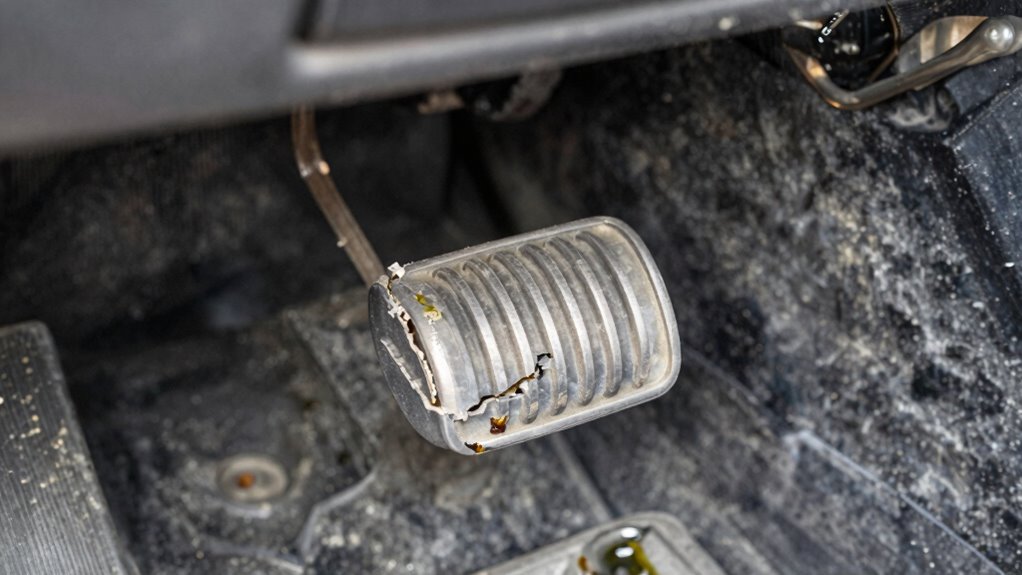
Ever wonder how to tell if your clutch is about to fail? It’s a common concern for drivers who rely on manual transmissions, and catching the signs early can save you from a costly repair. One of the first things to check is your clutch adjustment. Over time, the clutch pedal may feel different or lose its responsiveness, which often indicates it needs a simple adjustment. If the clutch pedal feels loose or sinks closer to the floor than usual, it’s a sign that the clutch might not be engaging properly. Adjusting the clutch cable or hydraulic system, depending on your vehicle, can restore proper function. However, if the adjustment doesn’t improve the feel or performance, it could mean the clutch is wearing out internally and needs more extensive repairs.
Another essential aspect to monitor is the transmission fluid. Low or contaminated transmission fluid can mimic clutch failure symptoms, such as difficulty shifting gears or slipping. If you notice that shifting becomes more challenging or the clutch slips under load, it’s worth inspecting the transmission fluid level and quality. Regularly checking and changing your transmission fluid as recommended by your vehicle manufacturer can extend the life of your clutch system. Clean, adequate fluid ensures smooth engagement and reduces wear on the clutch components. If the fluid appears dirty or has a burnt smell, replacing it might resolve some of the issues temporarily, but persistent problems could indicate deeper clutch wear. Additionally, monitoring the clutch system for signs of wear can help prevent unexpected failures. Being aware of clutch wear signs and acting promptly can significantly prolong the lifespan of your clutch. Performing regular inspections and maintenance is crucial for ensuring optimal clutch performance, especially as your vehicle ages. Recognizing early clutch failure signs allows for timely repairs, thereby avoiding more costly damage.
As an affiliate, we earn on qualifying purchases.
Frequently Asked Questions
Can Clutch Problems Cause Engine Stalling?
Yes, clutch problems can cause engine stalling. If your clutch fluid is low or contaminated, it can affect clutch engagement, leading to stalling, especially at low speeds or when shifting gears. Additionally, improper pedal adjustment can make it harder to disengage the clutch fully, causing the engine to stall. Regularly check your clutch fluid levels and guarantee your pedal adjustment is correct to prevent stalling caused by clutch issues.
How Often Should I Replace My Clutch?
Think of your clutch as a delicate dance partner; it needs replacing when it’s no longer in sync. Usually, you should replace your clutch every 50,000 to 100,000 miles, depending on clutch material and driving habits. Pay attention to pedal feel—if it’s slipping or feels spongy, that’s a sign it’s time. Regular check-ups guarantee your clutch stays a reliable partner on your journey.
Is a Slipping Clutch Dangerous to Drive On?
Driving with a slipping clutch can be dangerous because it reduces your control over the vehicle. You might notice the clutch pedal feeling different or the engine revving higher despite no increase in speed. Check the clutch fluid level regularly—low fluid can cause slipping. If you experience slipping, avoid aggressive driving and have your clutch inspected promptly to prevent further damage and guarantee safe driving.
What Are the Costs to Repair a Failing Clutch?
You might worry about repair costs, but they vary. Replacing a clutch can cost between $500 and $2,500, depending on your car and labor rates. The process often involves replacing clutch fluid and sometimes the clutch pedal components. If you notice slipping or difficulty shifting, don’t delay—prompt repairs can prevent more costly damage. Regular maintenance and early detection help keep costs manageable and your vehicle running smoothly.
Can I Fix a Clutch Issue Myself?
Yes, you can attempt a DIY repair if you’re comfortable working on your car. Start with clutch adjustment, ensuring the pedal free play is correct. If you’re experienced, you might replace worn components like the clutch cable or pressure plate. However, if you’re unsure or the issue is complex, it’s best to seek professional help. Proper maintenance can prolong your clutch’s lifespan and prevent costly repairs later.
As an affiliate, we earn on qualifying purchases.
Conclusion
So, if your clutch starts slipping, trembling, or making strange noises, it’s not just a minor hiccup—it’s warning you loud and clear that disaster might be just around the corner! Ignoring these signs could mean being stranded in the middle of nowhere or facing a costly repair that could bankrupt your entire week. Pay attention, act fast, and keep that clutch happy—because a failing clutch isn’t just a small problem; it’s an all-out battle waiting to happen!
As an affiliate, we earn on qualifying purchases.
As an affiliate, we earn on qualifying purchases.
Halloween Picks
halloween
As an affiliate, we earn on qualifying purchases.