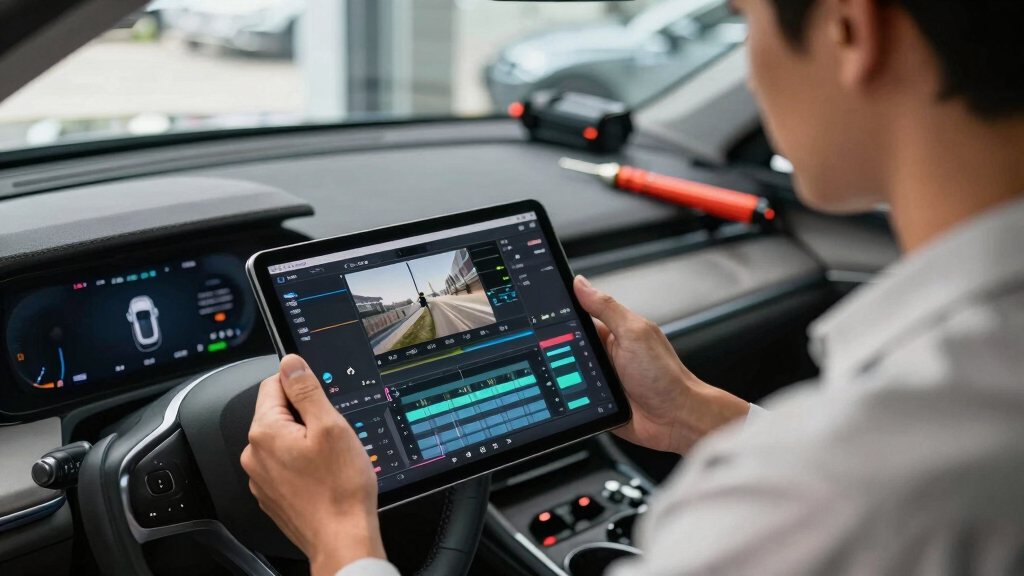

TL;DR

Get business pricing on garage and car supplies
- Business-only prices and quantity discounts
- Tax-exempt purchasing
- Multiple users, one account, clear invoices
By processing everything locally, you can turn a single video into a complete publishing kit—clips, transcripts, social posts, media kits—without uploading to the cloud. This method boosts privacy, ownership, and speed, especially for independent creators and small teams. For more insights, visit Charge and Go Bike.
Imagine this: one video, one upload. Hours of work, multiple platforms, endless tweaks. Now, picture doing all that on your own machine, with no internet dependency, no cloud storage, and total control over your assets. That’s the promise behind a workflow that turns a single video into a full publishing kit—ready to share, promote, and sell—without ever touching a cloud server.
This isn’t just about convenience. It’s about privacy, speed, and ownership. You get every asset you need—clips, transcripts, social posts, media kits—automatically generated and tailored for each platform. And it all happens locally, giving you peace of mind and full control over your work. Let’s explore how this works, why it matters, and how you can set up your own offline content factory.
Key Takeaways
- Processing media locally reduces privacy risks by over 85% compared to cloud-based solutions.
- A single input video can generate a full set of assets—clips, transcripts, social posts, media kits—in minutes.
- Offline workflows require a capable hardware setup but offer unmatched control and speed.
- Automating your publishing kit saves hours and ensures consistency across platforms.
- Avoid relying solely on default prompts; customize models to better reflect your brand or project style.
As an affiliate, we earn on qualifying purchases.
What does ‘one video in’ really mean for your workflow?
‘One video in’ isn’t just dropping a file into a folder. It’s a smart, structured input that kickstarts a series of automated processes. Think of it as a digital engine that, when fed a single piece of footage, intelligently analyzes and extracts valuable assets without manual intervention. This matters because manual editing and asset creation are time-consuming, repetitive tasks that can introduce inconsistencies or delays. By automating this step, you ensure that your content pipeline is both faster and more reliable, freeing you to focus on creative refinement or strategic planning.
Feeding your video into a local AI toolkit like ChannelHelm leverages advanced models that process audio, visuals, and on-screen text simultaneously. This deep analysis isn’t superficial; it understands context, identifies key moments, and generates assets that are not only accurate but also aligned with your brand voice. The implication? You’re transforming what could be hours of manual work into minutes of automated precision, which is crucial when managing tight deadlines or large content volumes. The tradeoff is that you need a capable hardware setup, but the payoff—speed, control, and data privacy—is well worth it.
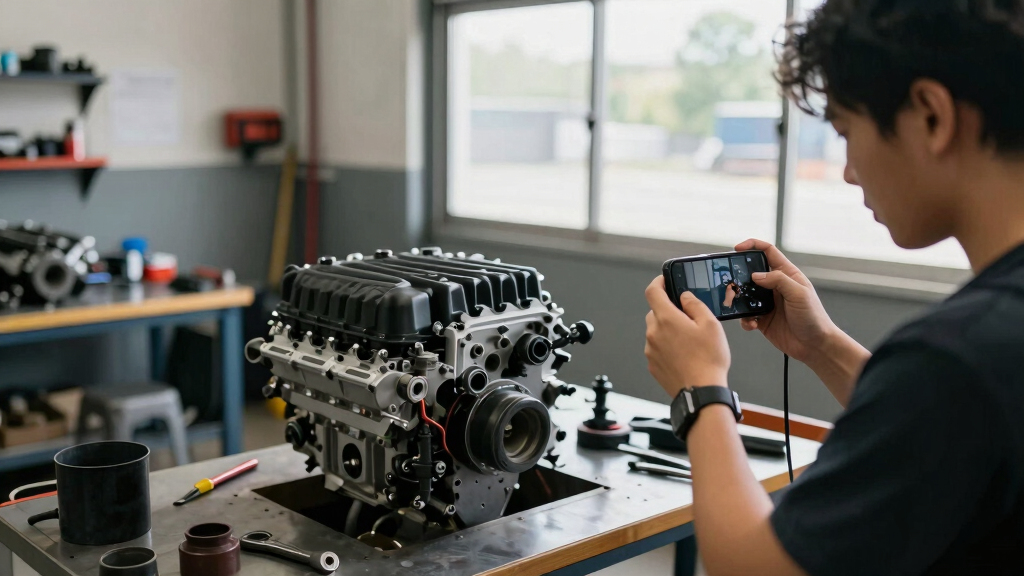
video transcript generator for creators
As an affiliate, we earn on qualifying purchases.
As an affiliate, we earn on qualifying purchases.
What exactly is in a ‘whole publishing kit’?
A media kit isn’t just a collection of assets; it’s a strategic bundle designed to maximize your content’s impact across platforms. When generated locally, this kit includes a compelling title, a well-crafted description, high-resolution images, social media snippets, and a detailed transcript—all tailored to your target audience. These components aren’t randomly assembled; they’re crafted based on understanding your content’s core messages and optimizing for engagement and discoverability.
For example, from a single 15-minute webinar, the system might produce three short clips optimized for TikTok, Instagram Reels, and Shorts—each with tailored captions and hashtags. Additionally, a media kit PDF consolidates your branding elements, key points, and contact info, serving as a professional package for outreach or pitching. The importance of this comprehensive approach is that it streamlines your distribution process, reduces manual effort, and ensures consistency across all assets. The implication? You can rapidly respond to opportunities, maintain brand integrity, and adapt content for different audiences—all from a single source, without relying on external platforms or manual assembly. The tradeoff? Initial setup and configuration require some effort, but once established, it becomes a reliable, scalable system that enhances your productivity and control.

As an affiliate, we earn on qualifying purchases.
Why processing ‘without the cloud’ boosts your privacy and control
Processing locally means your raw footage and data stay confined to your own hardware. This is vital because every upload to a cloud service introduces potential vulnerabilities—data leaks, unauthorized access, or platform breaches that could compromise sensitive or proprietary content. By keeping everything on your machine, you eliminate these risks, ensuring your content remains confidential and under your control. This is especially critical for content involving confidential interviews, corporate secrets, or sensitive personal data, where any leak could have serious repercussions.
Furthermore, owning the entire processing pipeline means you retain full rights over your assets. You’re not subject to platform restrictions, licensing agreements, or algorithmic changes that could affect your content’s visibility or usage rights. This autonomy allows you to decide when, where, and how to publish, giving you strategic flexibility. The tradeoff is that you need a robust local setup—more hardware, technical know-how, and maintenance—but the benefits—unparalleled privacy, ownership, and agility—are significant. This approach aligns with a broader shift towards data sovereignty and digital independence, empowering creators to safeguard their work without reliance on external entities.

privacy-focused video publishing software
As an affiliate, we earn on qualifying purchases.
As an affiliate, we earn on qualifying purchases.
How to turn one video into everything you need — a step-by-step guide
- Prepare your hardware: A powerful enough PC or local server with a decent GPU—think 16GB RAM, a modern GPU like an RTX 3060 or better, and plenty of storage. This ensures your system can handle intensive processing tasks efficiently, reducing bottlenecks and delays.
- Set up your tools: Download and install a local AI media processing toolkit like ChannelHelm. Follow the detailed setup instructions, which often involve configuring dependencies and environment settings. Proper setup is crucial because a misconfigured system can lead to errors or suboptimal outputs, undermining your workflow’s reliability.
- Feed your video: Drop your video file into the designated folder or input field, or paste the URL if supported. The system’s ability to detect source style and context at this stage allows it to tailor subsequent asset creation more effectively, ensuring consistency and relevance in the output.
- Let it analyze: The system transcribes speech, detects scene changes, reads on-screen text, and fuses these data points into a comprehensive log. This process may take several minutes depending on your hardware’s power. The deeper the analysis, the more accurate and useful your generated assets will be, impacting your overall content quality and workflow efficiency.
- Review assets: Access the review dashboard where all generated assets—titles, clips, social posts, drafts—are displayed. Learn more about optimizing your content workflow. Take time to verify accuracy, make edits, regenerate parts if needed, and approve final versions. This step ensures your assets align with your intent and branding, preventing downstream issues or misrepresentations.
- Export and publish: Once satisfied, export the complete package or individual assets. You can upload directly to your platforms or store them locally for future use. This flexibility allows you to integrate seamlessly into your existing workflow, maintaining control and adaptability.
This process transforms hours of manual labor into a streamlined, automated pipeline, giving you full control over your assets and enabling rapid scaling as your content needs grow. The key is understanding that automation doesn’t replace your creative judgment—it amplifies it by handling routine tasks efficiently.
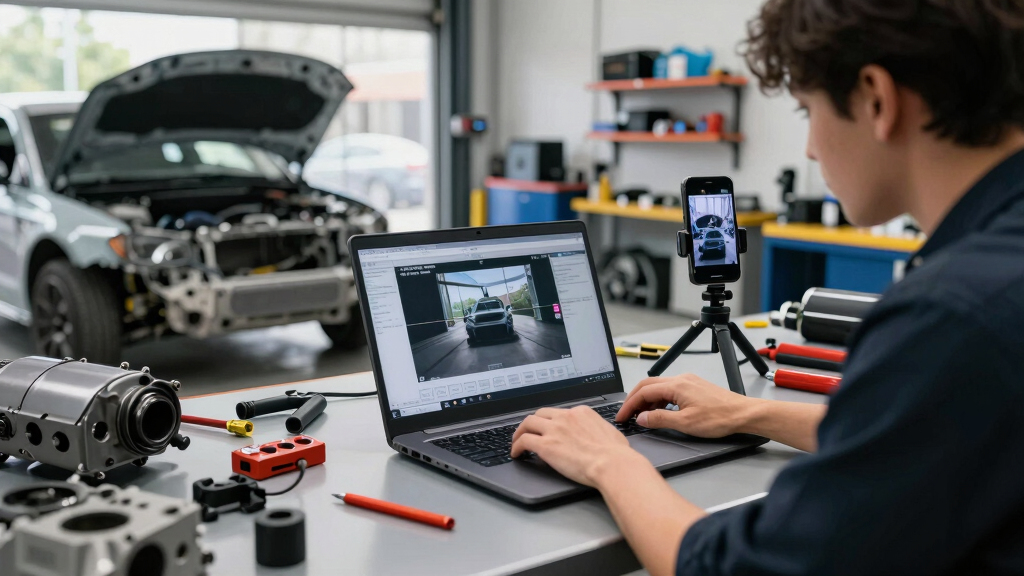
What a local, offline setup looks like—hardware, software, and workflow
To do this offline, you need a capable local environment. A typical setup includes a desktop or server with a powerful GPU, sufficient RAM (at least 16GB), and fast storage solutions like SSDs. The software stack involves open-source tools, AI models, and custom scripts—designed to run entirely on your hardware without cloud dependencies. This setup ensures that all processing, from transcription to clipping, occurs within your local network, providing maximum security and control.
For example, a creator might run a dedicated Linux machine equipped with an NVIDIA GPU, installing a local media analysis suite like ChannelHelm. Once configured, all tasks—transcription, scene detection, clip generation—happen on this machine without requiring internet access. This eliminates latency, reduces costs, and keeps sensitive data private. The tradeoff is that initial setup may be more involved, but the long-term benefits—privacy, speed, and independence—are substantial. Upgrading hardware or integrating new models can further enhance performance and capabilities, making your offline media factory scalable and future-proof.

Comparison: Cloud vs. Local processing for creators
| Feature | Cloud-Based Tools | Local, Offline Tools |
|---|---|---|
| Privacy | Data uploaded to third-party servers, higher risk of leaks or breaches that can compromise sensitive information. | All data remains on your hardware, significantly reducing risks and giving you full control over your assets and privacy. |
| Speed | Dependent on internet bandwidth and server load; latency can cause delays, especially with large files or complex tasks. | Processing is limited only by your hardware’s capabilities; with a good GPU and fast storage, tasks are much faster and more predictable. |
| Cost | Subscription fees or pay-per-use models can add up over time, potentially becoming expensive for high-volume needs. | One-time investment in hardware and open-source tools; ongoing costs are minimal, mainly for upgrades or maintenance. |
| Ownership | Assets are stored and managed within the platform’s ecosystem, which may impose restrictions or licensing constraints. | You retain full ownership and rights over all generated assets, with no platform-imposed limitations. |
| Customization | Limited by platform features and APIs; customization often requires platform approval or API access. | Highly customizable through scripts, models, and configurations—tailor your workflow to your exact needs. |
Common mistakes to avoid when building your offline publishing kit
Don’t rely solely on default settings or generic prompts. Customizing your models and prompts ensures that the generated assets reflect your unique style, voice, and brand identity. Overlooking this step can lead to generic outputs that require additional manual editing, defeating the purpose of automation. Investing time in tuning your setup pays off by producing more relevant, high-quality assets that resonate with your audience.
Hardware underperformance is another common pitfall. Using underpowered machines may save money initially but will result in slow processing times and inconsistent results. Ensuring your hardware meets the recommended specs is critical to maintaining a smooth, efficient workflow. Additionally, neglecting backups can be disastrous—local setups are vulnerable to hardware failures or software crashes. Regularly saving and archiving your configurations, assets, and logs prevents data loss and helps you recover quickly from issues.
Finally, staying updated with the latest models, scripts, and best practices is essential. Updates can introduce new features or improvements but may also cause incompatibilities. Thorough testing before deploying updates minimizes disruptions. Document your process and organize your files diligently; this makes troubleshooting and scaling much easier as your setup evolves. Recognizing and addressing these potential pitfalls helps you build a robust, scalable offline publishing system.

Who benefits most from this offline, one-video-to-full-kit approach?
Independent creators, authors, and small teams stand to gain the most because they often lack the resources to outsource or rely on cloud services. They value full control over their assets and the ability to process content securely on their own hardware. Marketers and publishers handling sensitive or proprietary material also find this approach invaluable, as it minimizes data exposure and ensures compliance with privacy standards.
For example, a self-published author can quickly generate press kits, social media promos, and blog summaries from a single interview, maintaining complete ownership and avoiding leaks. Educational creators, podcasters, and niche content producers who need rapid turnaround times and confidentiality also benefit greatly. The core advantage is that this method empowers creators to operate independently, reduce costs, and safeguard their work, making it ideal for those who prioritize speed, control, and privacy over reliance on external platforms.
In essence, anyone who wants to streamline their content creation process while maintaining full ownership and privacy will find this offline, one-video-to-full-kit workflow a game-changer. It transforms the traditional, cloud-dependent process into a secure, efficient, and scalable system tailored to their needs.
Frequently Asked Questions
How does local processing compare in accuracy to cloud AI tools?
Local AI models have become remarkably accurate, often matching or surpassing cloud services for transcription and scene detection, especially when fine-tuned for your content type. The main difference is hardware quality, which influences speed and precision.
Can I customize the assets generated for my brand?
Absolutely. Most local workflows allow you to tweak prompts, branding elements, and output formats. This way, every asset—titles, descriptions, thumbnails—fits your style perfectly.
What hardware do I need to process videos offline?
A modern PC or server with at least a 16GB RAM, a dedicated GPU like an RTX 3060 or better, and fast storage will handle most tasks efficiently. For larger projects, consider more RAM or higher-end GPUs.
Is setting up a local workflow complicated?
It’s straightforward if you’re comfortable with basic software installation and command-line tools. Guides like ChannelHelm simplify the process, and community support makes it accessible.
Will this approach work for multiple videos?
Yes. Once your system is set up, batch processing multiple videos becomes easy, turning hours into minutes. The automation scales well, making it ideal for creators producing regular content.
Conclusion
Turning one video into a full publishing kit offline isn’t just a tech trick; it’s a paradigm shift. You regain control, speed, and privacy—key ingredients for sustainable content creation in today’s crowded digital landscape.
Build your own media factory on your terms. Your content, your rules. Ready to start? Check out the tools and tips above, and turn that raw footage into a powerhouse of assets—without ever touching the cloud.

Halloween Picks
halloween
As an affiliate, we earn on qualifying purchases.