TL;DR

Get garage and car supplies delivered free — and shop member deals
- Fast, free delivery on millions of items
- Access to Prime Big Deal Days deals on October 6–7
- Prime Video, Amazon Music and more included
Middlesbrough Council is due to consider a £10.4 million corridor with improved pedestrian facilities and a continuous cycle lane between Mandale roundabout and Marton Road. The road.cc report says 186 of 288 consultation respondents opposed the proposal; funding would come from the Tees Valley Combined Authority. The council’s decision and the project’s final scope are not reported.
Middlesbrough is due to consider a £10.4 million walking and cycling corridor stretching from Mandale roundabout to Marton Road, even as most people who responded to a consultation opposed the proposal. The scheme would receive funding from the Tees Valley Combined Authority, according to road.cc’s October 6 live blog, which cites a local democracy reporter. The report does not say that the council has approved the project.
The proposed corridor would combine improved pedestrian facilities with a continuous cycle lane. Its route would run from Mandale roundabout on Middlesbrough’s western side to Marton Road, near James Cook University Hospital. The source describes the investment as £10.4 million and says the council is due to approve the creation of the corridor; it does not provide a meeting date or a record of a vote.
Opposition was clear among those who took part in the consultation: 186 of 288 respondents, or 64%, said they did not support the proposal. That figure describes the consultation responses reported by the source. It does not establish how all residents feel, and the report gives no further detail about how people were selected or how the consultation was conducted.
Online comments quoted in the live blog raised concerns about road space, parked cars, potholes and the cost of the scheme. One commenter suggested painting white lines as a cheaper option. These are residents’ opinions, not findings about the project’s costs or likely results. The report also describes some support for the proposal, including a comment from Paul Silver about the safety consequences he associates with removing a previous cycle lane.
A New Route After Linthorpe
The proposal puts a new walking and cycling investment before Middlesbrough authorities after the removal of cycle lanes on Linthorpe Road drew strong local debate. The reported consultation result also shows that the new corridor faces substantial opposition among those who responded, creating a challenge for decision-makers as they consider the scheme.
The route is intended to serve an area with more homes and schools than businesses, according to the source. Authorities hope that this difference may mean it is less resented than the Linthorpe Road scheme. That is a stated hope, not evidence that the new proposal will be more popular or that the route will achieve its aims. The project matters to people who use the roads because it would change how space is allocated to walking, cycling and driving along the corridor.
The source says the infrastructure is aimed at children and fits with central government ambitions. It does not specify which government policy or provide evidence about anticipated changes in children’s travel. The decision will determine whether a continuous cycle route and pedestrian improvements move forward with the stated funding arrangement.
white line paint for road markings
As an affiliate, we earn on qualifying purchases.
As an affiliate, we earn on qualifying purchases.
Linthorpe Road’s Recent Removal
The debate takes place against the recent removal of the Linthorpe Road cycle lane, described in the road.cc report as Britain’s “most-hated” cycle lane. The source says its removal was supported by Conservative and Labour mayors and cost £2.7 million. It also says the lane had been found to increase cycling in the area, though the live blog does not identify the study or provide its methods and figures.
Critics of the Linthorpe Road scheme had argued that it reduced parking and could provide a route for shoplifters and drug dealers, the report says. After the removal, the mayor claimed traffic was running smoothly. That description is attributed to the mayor; it is not presented in the source as an independently measured assessment.
The new corridor is a separate proposal elsewhere in Middlesbrough, with funding expected from the Tees Valley Combined Authority rather than the borough council. The source does not say that the Linthorpe Road removal and the proposed corridor share a budget. They are linked in the report because the earlier scheme remains a point of reference in local discussion about cycling infrastructure.
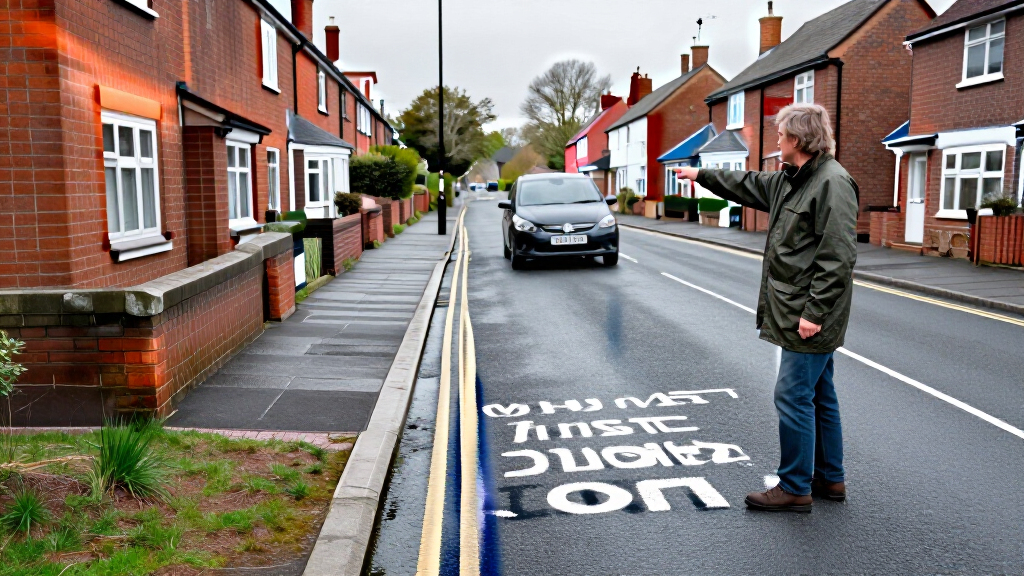
““Why not just paint white lines on the road it’s cheaper and easier then when it doesn’t work you can just burn them off””
— An online commenter quoted by road.cc
As an affiliate, we earn on qualifying purchases.
Approval and Route Details Pending
The report does not confirm whether Middlesbrough Council has approved the corridor, when a decision will be made, or whether the proposal will change before any vote. It gives the proposed endpoints and overall cost, but not detailed plans, a construction timetable or a breakdown of spending.
The consultation figure is 186 opponents out of 288 respondents. The source does not explain the consultation’s reach, response method or whether other forms of public input were considered. It is consequently not possible from the report alone to treat that result as a measure of opinion among all Middlesbrough residents.
The source says authorities hope the route’s mix of homes and schools will bring less opposition than the Linthorpe Road scheme, but it offers no evidence yet about public acceptance. It also does not provide projected cycling or walking numbers, safety measures, or an evaluation plan. The likely effects on traffic, parking and access remain unreported.
As an affiliate, we earn on qualifying purchases.
Council Decision and Project Plans
The next reported milestone is the council’s consideration of the proposed corridor. The source does not provide a date for that decision or confirm what approval would cover. If the scheme proceeds, further published details would be needed to clarify its final design, route, delivery schedule and how the £10.4 million would be spent.
Readers will also need the council’s response to the consultation, including whether it plans to amend the proposal in light of the objections. The report does not say whether the Tees Valley Combined Authority has attached conditions to the funding or when construction could begin. Until those points are clear, the corridor remains a proposal rather than a completed investment.
Any later update should distinguish confirmed council decisions from residents’ predictions about road effects and from the stated hope that this route will be better received. The existing source establishes the planned corridor, funding source and consultation result; it does not settle the project’s approval, final form or likely impact.
As an affiliate, we earn on qualifying purchases.
Key Questions
What is Middlesbrough proposing?
A £10.4 million corridor with improved pedestrian facilities and a continuous cycle lane between Mandale roundabout and Marton Road, near James Cook University Hospital.
Has the council approved the project?
The report says the council is due to consider approval. It does not confirm a decision or give a date for the vote.
How many consultation respondents opposed it?
The report says 186 of 288 respondents, or 64%, did not support the proposal. It does not say how representative the responses were of residents as a whole.
Who would fund the corridor?
The report says funding would come from the Tees Valley Combined Authority, rather than Middlesbrough Borough Council.
When could construction start?
The source gives no construction date or timetable. The council’s decision and further project details have not been reported.
Source: rss
Halloween Picks
halloween
As an affiliate, we earn on qualifying purchases.