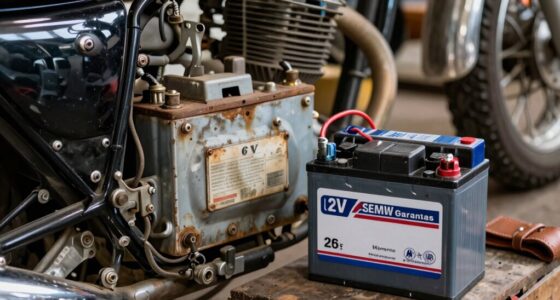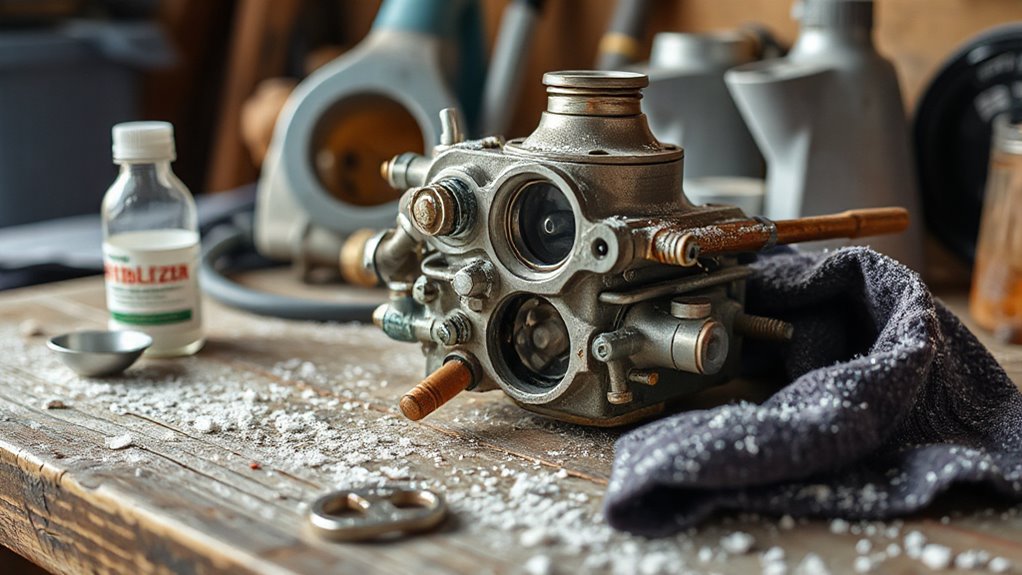

When preparing your carburetor for winter, decide between draining the fuel or adding a stabilizer. Draining completely removes fuel, preventing varnish, gum buildup, and corrosion during storage, especially if you’ll store equipment for a long time. Using a stabilizer is easier; it preserves the fuel and protects internal parts when you leave fuel in the tank. To learn the best method for your situation and detailed steps, keep exploring how proper storage can extend your equipment’s life.
Key Takeaways
- Using fuel stabilizers prevents fuel degradation and varnish buildup without draining, ideal for short-term storage.
- Draining fuel entirely eliminates the risk of gum and varnish formation during long-term storage.
- For equipment stored less than a month, stabilizing fuel and running the engine briefly is recommended.
- Draining is preferable for extended storage to avoid stale fuel and potential corrosion inside the carburetor.
- Both methods can be effective; choose based on storage duration and equipment usage plans.
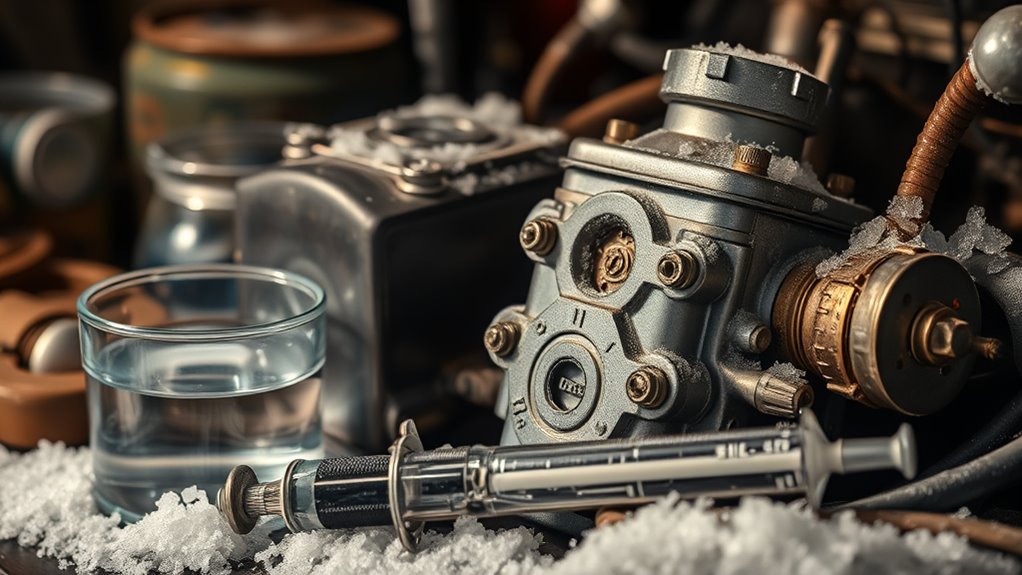
As winter approaches and you prepare to store your equipment, properly caring for your carburetor is essential to guarantee it remains in good condition. One of the most important decisions you’ll face is whether to drain the fuel or use fuel stabilizers. This choice can considerably impact the carburetor’s longevity and performance when you’re ready to use your equipment again. If you opt to leave fuel in the tank, adding a high-quality fuel stabilizer is highly recommended. Fuel stabilizers prevent the fuel from degrading over time, which can cause varnish and gum buildup inside the carburetor. This buildup can clog jets and passages, leading to starting issues or poor engine performance when you reassemble everything in the spring. To guarantee the stabilizer works effectively, fill your storage containers with fresh fuel and add the recommended amount of stabilizer before sealing them tightly. This prevents air from entering and keeps the mixture stable during months of inactivity.
Alternatively, draining the fuel completely is a straightforward method to avoid potential problems caused by old fuel. If you choose this route, make sure to run the engine until it stalls, ensuring all fuel is used up. This prevents fuel from sitting in the carburetor and causing varnish or corrosion. Once the fuel is drained, wipe down the exterior of your equipment and inspect the carburetor for any signs of damage or corrosion. Storing your equipment in a clean, dry place is equally essential. Using storage containers that are airtight and corrosion-resistant helps keep moisture and dirt away from the carburetor, further protecting it over the winter months. If you prefer to use fuel stabilizers, store your equipment with a full tank to minimize air space, which reduces condensation inside the tank. Just remember to run the engine for a few minutes after adding stabilizer to circulate the additive throughout the fuel system. Regularly inspecting and maintaining your equipment during storage can help identify issues early and prolong the life of your carburetor and other components.
When storing your equipment, always remove the spark plug and add a few drops of engine oil into the cylinder before cranking the engine a few times. This coats internal parts and prevents rust. Whether you drain the fuel or stabilize it, keeping your carburetor clean and dry during storage is imperative. Proper winter storage practices, including the use of fuel stabilizers and suitable storage containers, ensure that your carburetor remains in top shape and ready for use when warmer weather returns. Additionally, understanding the materials used in carburetors can help you select appropriate storage and maintenance techniques to prevent corrosion and wear over time.

STA-BIL Storage Fuel Stabilizer Keeps Fuel Fresh for 24 Months, Prevents Corrosion, Gasoline Treatment Additive That Protects System, Gas Stabilizer for Storage, 16 oz.
Great Product
As an affiliate, we earn on qualifying purchases.
As an affiliate, we earn on qualifying purchases.
Frequently Asked Questions
Can I Leave My Carburetor Installed During Winter Storage?
Yes, you can leave your carburetor installed during winter storage. Just make certain you add fuel stabilizers to your fuel and use proper storage containers to prevent condensation and corrosion. Running the engine briefly helps circulate the stabilizer through the system. This way, you avoid removing the carburetor unnecessarily, and your equipment stays ready for use when spring arrives. Properly stabilized fuel and sealed storage keep your carburetor in good shape.
What Are the Signs of Carburetor Damage From Winter Storage?
You’ll notice carburetor damage through signs like corrosion, fuel varnish buildup, and sluggish engine performance. Corrosion appears as rust or pitted metal, while varnish creates sticky deposits that clog jets and passages. You might also experience difficulty starting or inconsistent running. If these signs emerge after winter storage, it indicates your carburetor suffered from corrosion and varnish buildup, requiring cleaning or repair to restore peak operation.
How Often Should I Check My Carburetor During Winter?
You should check your carburetor at least once every month during winter. Regular inspections help you spot potential issues in the fuel system early, like corrosion or fuel buildup. If you store your equipment properly, it prevents corrosion and keeps the fuel system in good shape. By doing so, you guarantee your carburetor stays clean and functional, making startup easier when spring arrives.
Is There a Recommended Temperature Range for Winter Storage?
For winter storage, keep the temperature between 32°F and 50°F to follow temperature guidelines that prevent frost damage. This range helps shield your equipment from frost, which can cause fuel expansion and engine damage. If temperatures drop below freezing, consider using frost protection methods like insulating covers or antifreeze solutions. Maintaining this temperature range guarantees your carburetor stays in good condition throughout winter.
Can I Store My Carburetor in a Different Environment Than the Engine?
Yes, you can store your carburetor separately from the engine, but consider the environmental impact. A stable, dry storage location like a sealed container or a climate-controlled environment helps prevent corrosion and keeps debris out. verify it’s away from moisture, extreme temperatures, and direct sunlight, which can damage the parts. Proper storage location maintains your carburetor’s integrity and makes reinstallation easier when you’re ready to use your equipment again.

Carburetor Cleaning Kit,Carburetors Carbon Dirt Jet Remove Cleaner, Carb Carburetor Cleaners 13 Cleaning Wires Set, 1 Sharp Pick,1 Throttle Wrench,5 Nylon Brushes, 10 Cleaning Needles
Made of durable materials, our carburetor cleaning brush carbcleaner kit can be used multiple times tools are designed…
As an affiliate, we earn on qualifying purchases.
As an affiliate, we earn on qualifying purchases.
Conclusion
When winterizing your carburetor, choosing between draining or stabilizing your fuel depends on your storage length. For instance, if you plan to store your mower for several months, stabilizing the fuel prevents gumming and keeps it fresh. Imagine John, who used fuel stabilizer before winter; come spring, his mower started right up without issues. By taking the right precautions, you guarantee your equipment stays reliable, ready to go when the snow melts.
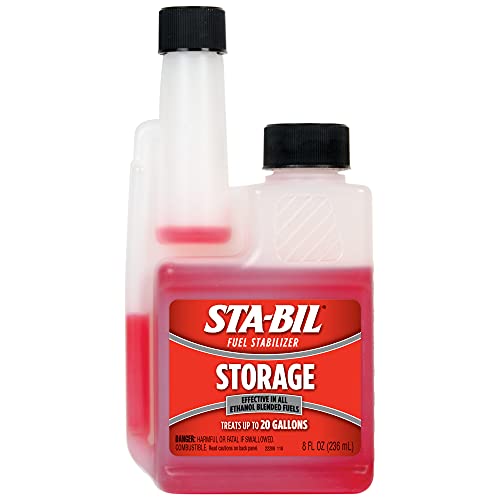
STA-BIL Storage Fuel Stabilizer | Keeps Fuel Fresh for 24 Months, Prevents Corrosion, Gasoline Treatment Additive that Protects System, Gas Stabilizer for Storage, 8 oz.
PRESERVES FUEL: This fuel stabilizer ensures keeps gasoline fresh for up to 24 months for storing vehicles that…
As an affiliate, we earn on qualifying purchases.
As an affiliate, we earn on qualifying purchases.

STA-BIL (22001) Fogging Oil – Stops Corrosion In Stored Engines – Lubricates And Protects Cylinders – Coats Internal Engine Components – For All 2 and 4 Cycle Engines, 12 oz.
Coats internal engine components to prevent corrosion
As an affiliate, we earn on qualifying purchases.
As an affiliate, we earn on qualifying purchases.