
To maintain your older bike’s clutch, start by inspecting the cable for dirt or rust and lubricate it with a high-quality lubricant, working it through by moving it back and forth. Next, locate the pushrod access point near the clutch cover, loosen the locknut, and turn the adjuster to set the proper free play—usually a small amount of slack. Properly adjusting these components guarantees smooth engagement and longer clutch life; to learn more, keep exploring these steps in detail.
Listen free for 30 days with Audible
Thousands of audiobooks and originals — cancel anytime.
As an affiliate, we earn on qualifying purchases.
Key Takeaways
- Locate the pushrod access point near the clutch cover for adjustment on mechanical systems.
- Loosen the locknut and turn the adjuster to set proper free play in the pushrod.
- Check and adjust the clutch cable tension to ensure smooth operation and prevent excessive slack.
- Lubricate the clutch cable regularly with high-quality lubricant to reduce stiffness and improve feel.
- Confirm full clutch disengagement by testing shifting and pedal feel after adjustments.
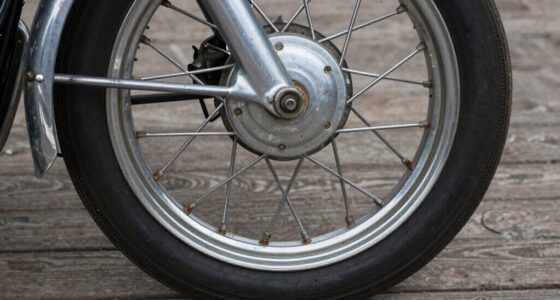
Have you ever wondered why your car’s clutch feels smooth or starts slipping? It’s often a sign that your clutch system needs some attention, especially on older bikes where wear and tear can impact performance. When it comes to adjusting the clutch, understanding the differences between hydraulic and mechanical systems can make a big difference. Hydraulic clutches operate via fluid pressure, providing smooth and consistent engagement, while mechanical systems rely on cables and pushrods that require regular maintenance to stay responsive. Knowing which system your bike has will help you troubleshoot and maintain it properly.
Understanding whether your bike has hydraulic or mechanical clutch systems is key to proper maintenance.
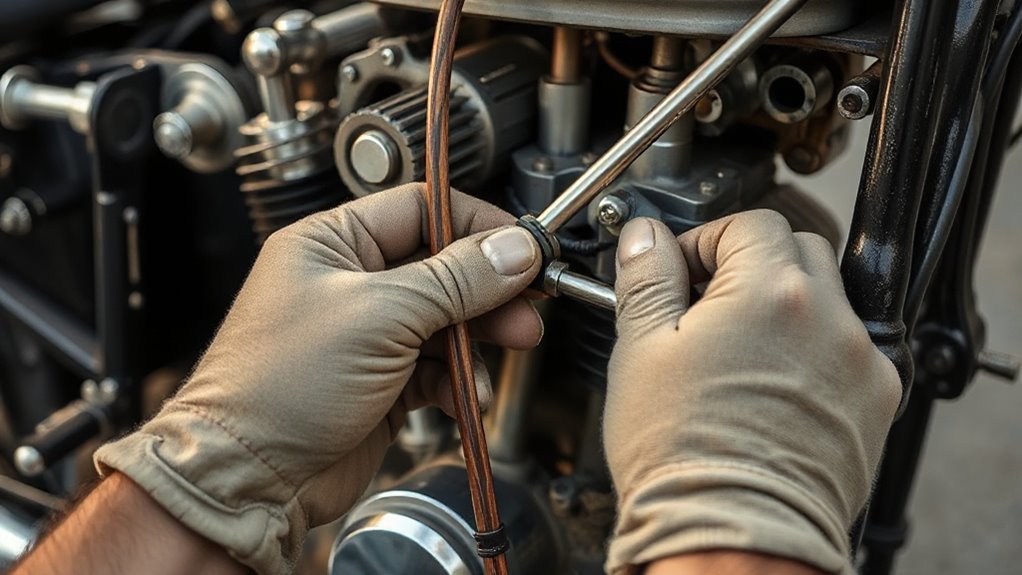
If your bike uses a clutch cable, one of the simplest ways to improve clutch feel and prevent slipping is through proper clutch cable lubrication. Over time, dirt, rust, and lack of lubrication cause the cable to stiffen, making clutch pull harder and less precise. Applying a high-quality cable lubricant helps reduce friction, ensuring smoother operation and extending the life of your clutch cable. To do this, you’ll need to loosen the cable adjuster, remove the cable from the clutch lever, and then spray or drip lubricant into the cable housing. After working the lubricant through by moving the cable back and forth, reassemble everything and adjust the cable tension as needed. Proper lubrication not only improves feel but also prevents premature cable failure.
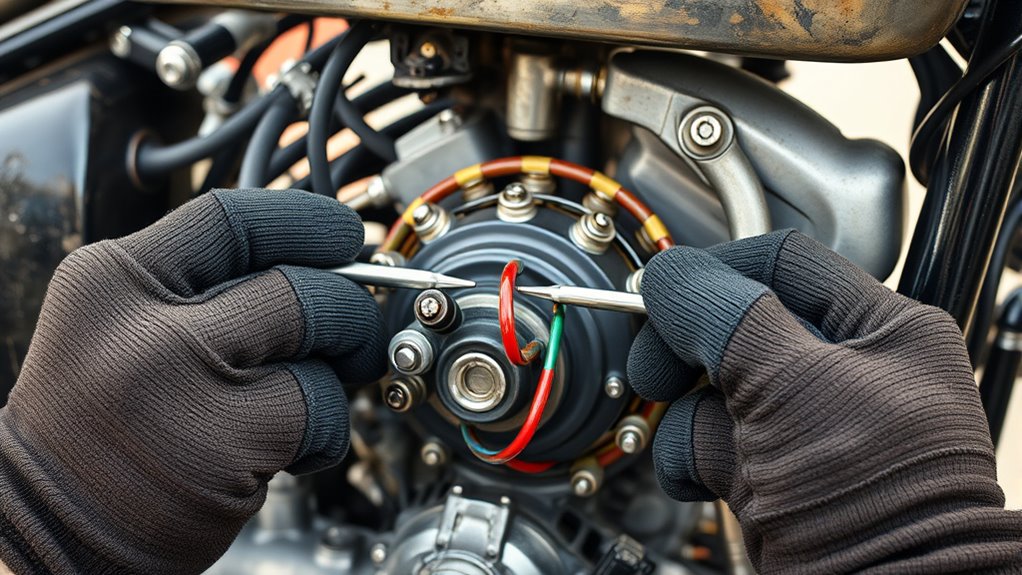
Adjusting pushrods, on the other hand, is often necessary on bikes with mechanical clutch systems. Pushrods connect the clutch lever to the clutch mechanism inside the engine, and over time, they can become misaligned or too loose, causing clutch disengagement issues. To adjust them, you need to locate the pushrod access point, usually near the clutch cover. Loosen the locknut and turn the pushrod adjuster until you get the correct free play—generally a small amount of slack between the lever and the clutch disengagement point. Proper adjustment ensures that the clutch fully engages and disengages without slipping or dragging, giving you smoother shifts and better control.
In contrast, hydraulic systems generally don’t require cable lubrication since they use fluid to transmit force. Instead, they demand periodic checks of the fluid level and bleeding the system to remove air bubbles that can compromise clutch operation. If your hydraulic clutch feels inconsistent or starts slipping, it’s often a sign that you need to bleed the system or replace the fluid. Additionally, the use of high-quality clutch components can significantly improve performance and longevity.
Ultimately, maintaining your clutch involves understanding whether you’re dealing with a hydraulic or mechanical setup. Regular lubrication of cables and proper adjustment of pushrods can go a long way in keeping your bike running smoothly. When you stay on top of these maintenance tasks, you’ll enjoy a clutch that feels precise, responsive, and reliable ride after ride.
motorcycle clutch cable lubricant
As an affiliate, we earn on qualifying purchases.
As an affiliate, we earn on qualifying purchases.
Frequently Asked Questions
How Often Should I Check the Clutch Pushrod Adjustment?
You should check the clutch pushrod adjustment during routine inspections, ideally every 1,000 to 2,000 miles or as recommended in your bike’s manual. Regularly inspecting and adjusting at these intervals ensures smooth clutch operation and prevents potential damage. Keep an eye on clutch lever feel and engagement point, and adjust the pushrod if you notice any slipping or hard lever pull to maintain peak performance.
Can I Adjust the Clutch Cable Without Removing Parts?
Adjusting your clutch cable is as easy as flipping a pancake and doesn’t usually require removing parts. You can usually do it at the adjuster near the handlebar or near the engine, without a full teardown. Just make sure to lubricate the clutch cable regularly and inspect the pushrod every 5,000 miles to keep your clutch smooth and responsive. Proper adjustments and lubrication prevent costly repairs and keep your ride silky smooth.
What Are Signs of a Worn Clutch Cable or Pushrod?
You’ll notice a worn clutch cable or pushrod if you experience difficulty shifting or a spongy clutch feel. Check for excessive cable slack, frayed wires, or stiffness, which can indicate wear. Regularly lubricate your clutch cable to prevent issues. Also, inspect your pushrod for signs of bending or damage. These signs suggest it’s time for a replacement to guarantee smooth operation and avoid further damage.
Is It Necessary to Replace Both Parts Simultaneously?
When your clutch feels gritty or slips, it’s tempting to just replace one part. But often, dual part replacement and simultaneous maintenance guarantee you from future issues. Think of it like tuning a guitar; if one string’s worn, the others might soon follow. Replacing both the cable and pushrod ensures smooth operation and longer lifespan, preventing you from facing the hassle of repeated repairs. It’s a proactive approach for a reliable ride.
How Do I Know if My Clutch Needs Replacing Instead of Adjusting?
You’ll know your clutch needs replacing if it slips, feels spongy, or won’t fully disengage despite proper cable lubrication. Check the clutch fluid level; low fluid can cause slipping, but if it’s topped off and issues persist, replacement might be necessary. Also, inspect the cable for fraying or excessive slack. If adjustments don’t resolve the problem, consider replacing the clutch components to guarantee peak performance.
pushrod adjustment tool for bikes
As an affiliate, we earn on qualifying purchases.
As an affiliate, we earn on qualifying purchases.
Conclusion
So, you’ve got your clutch dialed in perfectly, and your bike’s performance skyrockets to new heights. With just a few simple adjustments, you’ll turn your old beast into a roaring, smooth-shifting powerhouse that can conquer any road like a legend. Don’t underestimate the power of a well-maintained clutch—it’s the heartbeat of your bike’s soul. Keep those pushrods and cables in top shape, and your ride will thank you with every exhilarating mile!
mechanical motorcycle clutch parts
As an affiliate, we earn on qualifying purchases.
As an affiliate, we earn on qualifying purchases.
bike clutch cable tension adjuster
As an affiliate, we earn on qualifying purchases.
As an affiliate, we earn on qualifying purchases.
NFL season / tailgating Picks
team gear
As an affiliate, we earn on qualifying purchases.