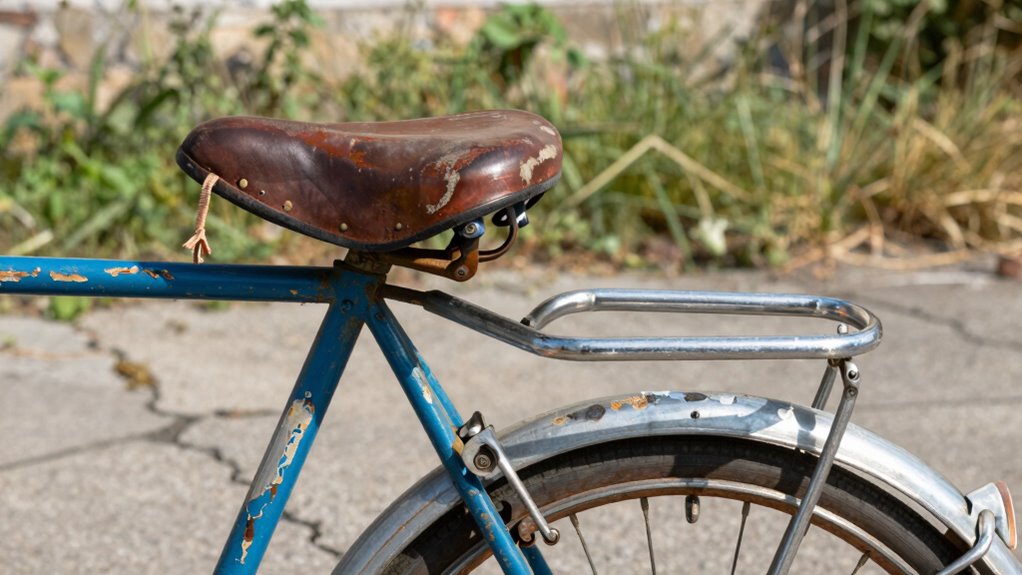
You need to perform thorough pre-ride checks on your vintage bike because they lack modern safety features, making it essential to verify all components are working properly. Check brakes, tires, steering, cables, and lights to prevent breakdowns or accidents. Regularly inspecting and maintaining your bike helps prolong its lifespan and keeps you safe on the road. Want to know more about the specific checks and maintenance tips? Keep going for key details.
Listen free for 30 days with Audible
Thousands of audiobooks and originals — cancel anytime.
As an affiliate, we earn on qualifying purchases.
Key Takeaways
- Vintage bikes lack modern safety features, requiring thorough pre-ride checks to ensure rider safety.
- Aging components may deteriorate unpredictably, making routine inspections essential for reliable performance.
- Proper pre-ride inspections prevent breakdowns and accidents during rides, especially in absence of advanced safety systems.
- Regular checks help identify wear and corrosion early, extending the bike’s lifespan and maintaining its vintage charm.
- Diligent pre-ride routines build rider confidence and promote environmentally sustainable maintenance practices.

Before hitting the road on your vintage bike, it’s essential to perform a thorough pre-ride check to guarantee safety and peak performance. Unlike modern bikes, vintage models lack the advanced safety features we often take for granted, making your inspection even more necessary. You need to carefully examine every component to verify it’s functioning properly, especially since older parts can wear down or become unreliable over time. This process involves understanding that your bike’s safety depends on proactive maintenance scheduling and detailed inspections. Regularly scheduled maintenance helps catch issues early, preventing breakdowns or accidents during your ride.
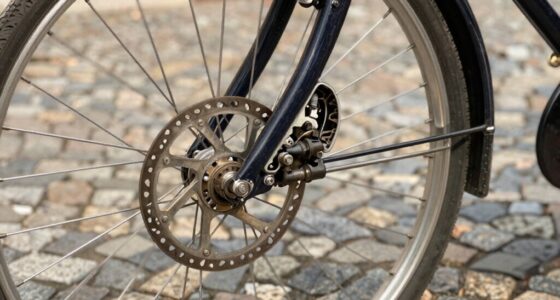
Vintage bikes often have aged components that aren’t equipped with modern safety features like ABS brakes, electronic stability controls, or advanced lighting systems. Because of this, you must pay close attention to vital parts like brakes, tires, and steering mechanisms. Check the brake pads for wear, ensuring they grip properly and aren’t too thin. Inspect tires for cracks, dry rot, or uneven wear, and verify they’re inflated to the recommended pressure — old tires can be more susceptible to blowouts. Also, test the handling by gently turning the handlebars, making sure there’s no looseness or unusual play in the steering. If any of these components show signs of deterioration, it’s best to replace or repair them before your ride. Additionally, understanding vintage bike maintenance can help you better identify potential issues early on. Performing a comprehensive assessment of all components ensures you’re aware of the bike’s overall condition.
Since vintage bikes often lack the built-in safety features of newer models, you’re responsible for compensating with diligent checks. Pay attention to the condition of the chain, cables, and electrical wiring, replacing any frayed or corroded parts. A thorough pre-ride also includes inspecting the lights and signals, ensuring they’re bright and functional, especially if you plan to ride in low-light conditions. Remember, a well-maintained bike not only enhances your safety but also prolongs its lifespan. Establish a consistent maintenance schedule, so you’re always aware of what needs attention and when. Understanding biodiversity in the context of sustainable living also reminds us that caring for our environment includes maintaining durable, long-lasting equipment like vintage bikes. Additionally, being familiar with aging components can help you anticipate which parts might need replacement sooner. Your pre-ride inspection should be detailed, combining a visual assessment with functional tests. Tighten loose bolts, lubricate moving parts, and verify fluid levels if applicable. By doing so, you’re addressing potential issues before they become serious problems. Vintage bikes may have a certain charm, but that charm doesn’t replace the importance of careful, regular maintenance. When you prioritize these practices, you’ll enjoy safer rides, fewer breakdowns, and the confidence that comes with knowing your vintage bike is in the best shape it can be.

BELL Binder 100 Caliper Brake Pads
- Compatible with standard and center pull brakes: Side stop caliper brake pads with raised ribs
- All-weather stopping power: Raised ribs for reliable grip in all conditions
- Enhances product appearance: Adds extra shine to your bike
As an affiliate, we earn on qualifying purchases.
As an affiliate, we earn on qualifying purchases.
Frequently Asked Questions
How Often Should Vintage Bikes Undergo Pre-Ride Inspections?
You should perform pre-ride inspections on your vintage bike before every ride. Your maintenance schedule must include a quick check of tires, brakes, and chains to guarantee safety. Given its vintage bike history, these bikes often require more attentive care. Regular inspections help catch potential issues early, preventing breakdowns and preserving your bike’s condition. Make it a habit to inspect your vintage bike thoroughly before each ride for a smooth, safe experience.
Are Specific Tools Required for Vintage Bike Pre-Ride Checks?
Like a surgeon’s scalpel, specific tools are essential for vintage bike pre-ride checks. You’ll need basic items like a tire pressure gauge, chain lubricant, and a multi-tool for adjustments. These tools support modern maintenance and repair techniques, ensuring safety and performance. Using the right equipment helps you spot issues early, prevent breakdowns, and keep your vintage bike running smoothly, just like it did when it first rolled out of the shop.
Can I Perform Pre-Ride Checks Myself or Need a Professional?
You can definitely perform pre-ride checks yourself through DIY maintenance, but a professional inspection is recommended for vintage bikes, especially if you’re unsure about certain components. Regularly inspecting tire pressure, brakes, and chain tension is manageable on your own, but a professional can spot hidden issues and guarantee everything is in top condition. Combining both approaches helps keep your vintage bike safe and reliable on every ride.
What Are Common Signs of Wear in Vintage Bike Components?
You can spot signs of wear in vintage bike components by checking for chain lubrication issues, like dryness or rust, which suggests it’s time for lubrication or replacement. Also, inspect brake adjustment; if braking feels weak or uneven, the brake pads might be worn out or misaligned. Regularly evaluating these signs helps prevent breakdowns, ensuring your vintage bike stays reliable and safe during rides.
How Do I Identify Potential Safety Hazards During Pre-Ride Checks?
Think of your vintage bike as a ticking time bomb; you need to find the hidden dangers before they explode. Check brake fluid levels and make sure it’s clear, not murky, signaling trouble. Examine tire tread for cracks or embedded debris that could cause a blowout. Feel for loose bolts or squeaky chains, and test brakes for responsiveness. Spotting these hazards keeps your ride smooth and safe, preventing unexpected breakdowns.

ETENWOLF T300 Digital Tire Pressure Gauge 200 PSI for Car, RV, Truck, Bikes
- Calibration Standard: Calibrated to ANSI B40.7 Grade 2A
- Pressure Range: Measures 3-200 PSI accurately
- Extreme Temperature Tolerance: Operates in -4°F to 130°F
As an affiliate, we earn on qualifying purchases.
As an affiliate, we earn on qualifying purchases.
Conclusion
Think of your vintage bike like a delicate antique—every part needs careful attention before you ride. Skipping pre-ride checks is like ignoring a warning sign on a winding road; it can lead to surprises. Regular inspections keep your bike running smoothly and guarantee your safety. By giving your vintage bike a quick once-over, you’re not just preserving its charm but also avoiding breakdowns. It’s a small effort that keeps your ride as reliable as a trusted old friend.

Dynamo Bike Light Kit for Vintage and Motorized Bicycles, 12V 6W Friction Generator Headlight & Tail Light Set, Retro Bicycle Lighting System, No Batteries Required
- Battery-Free Operation: Powered by friction dynamo generator
- Complete Lighting Set: Includes front and rear lights
- Reliable Dynamo Power: 12V 6W friction generator for consistent lighting
As an affiliate, we earn on qualifying purchases.
As an affiliate, we earn on qualifying purchases.
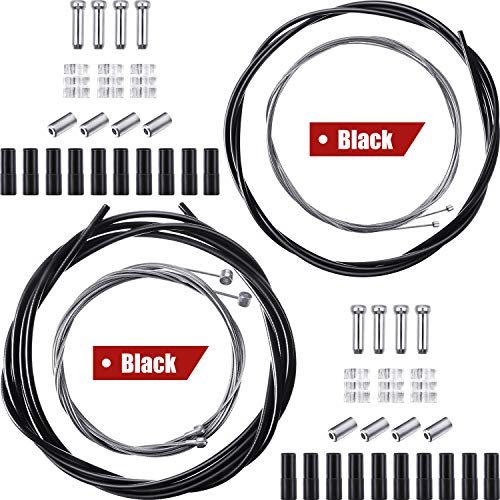
Boao Universal Bike Brake Cable Kit Derailleur Bicycle Shifter Cable Housing Set Transmission Line for Mountain Road Bike Repair(Black)
- Material: PVC and stainless steel for durability
- Cable Lengths: Adjustable to fit your bike
- Brake Cable: Wear-resistant 2.5m housing for safety
As an affiliate, we earn on qualifying purchases.
As an affiliate, we earn on qualifying purchases.
College move-in / dorm season Picks
dorm essentials
As an affiliate, we earn on qualifying purchases.