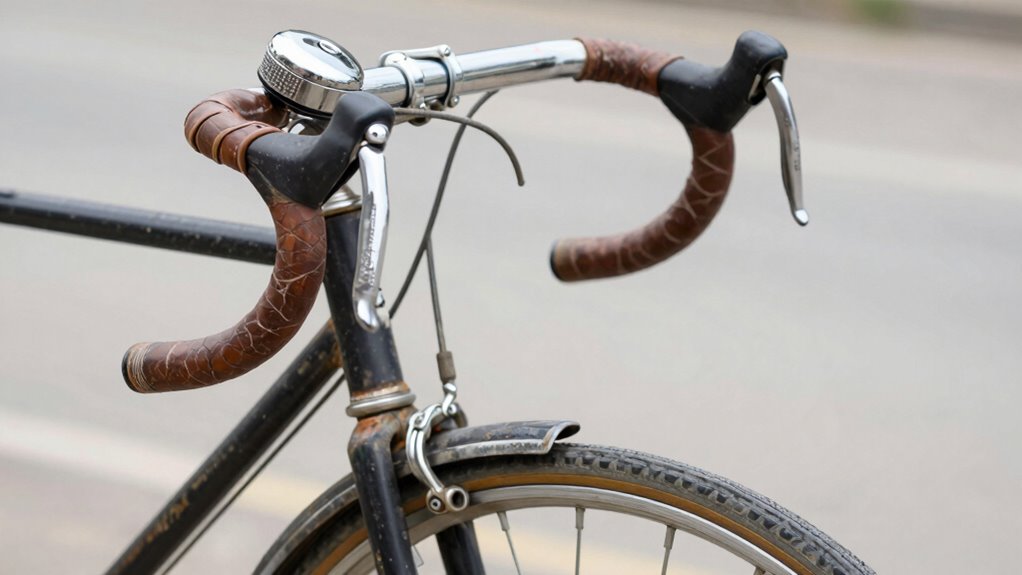
Before taking your vintage bike on a road trip, you should inspect tires for wear and proper inflation, check brakes for responsiveness, and lubricate the chain and gears. Test all lights and reflectors, verify the horn or bell works, and make certain safety gear fits well. Confirm the electrical system’s functionality and pack essential tools, supplies, and weather gear. Planning your route and preparing your bike for various conditions can prevent surprises—continue to learn more about preparing your vintage ride for the road.
Key Takeaways
- Inspect tires for wear, embedded debris, and proper inflation to ensure safe riding.
- Check brake responsiveness and pad wear for effective stopping power.
- Lubricate chain, gears, and moving parts to prevent rust and ensure smooth operation.
- Test all lights, reflectors, and electrical systems for visibility and safety.
- Pack essential tools, spare parts, and safety gear suitable for a vintage bike’s specific needs.
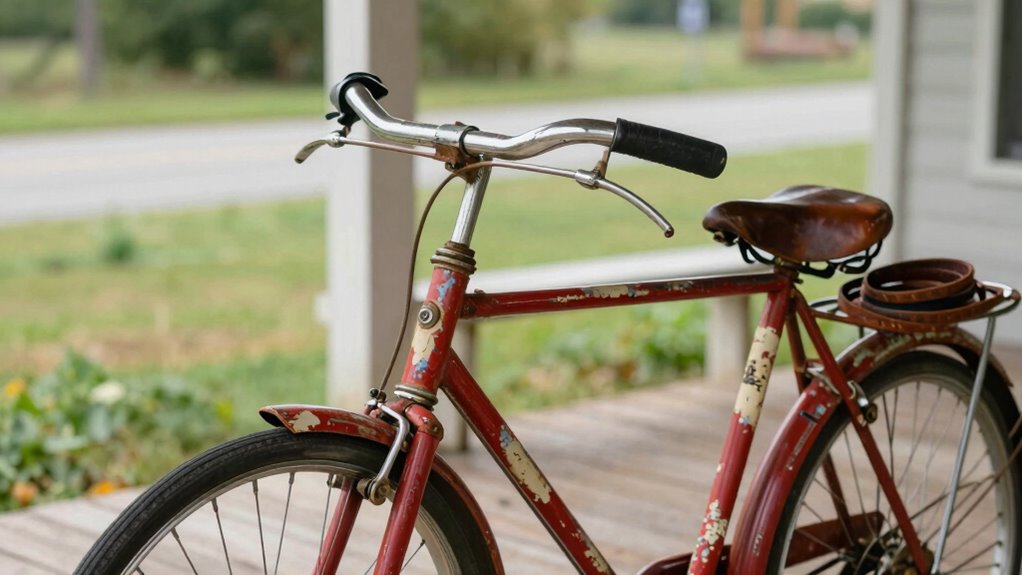
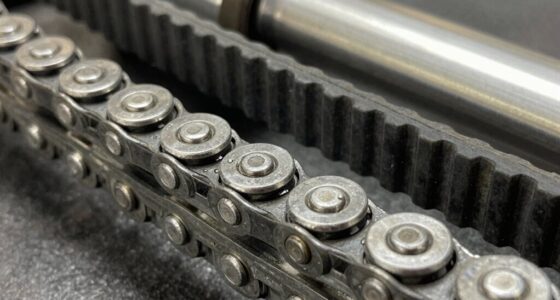
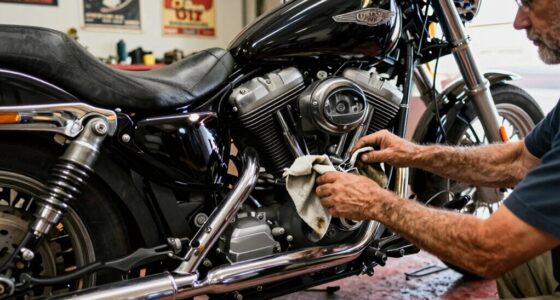
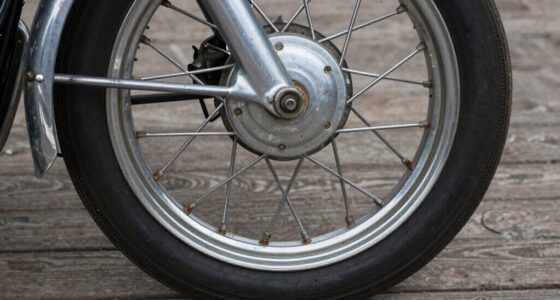
Taking a vintage bike on a road trip can be a rewarding experience, but it requires some careful preparation to guarantee everything runs smoothly. Before hitting the road, you’ll want to go through a thorough maintenance checklist to ensure your bike is in top shape. Start by inspecting the tires for any signs of wear or embedded debris, and check that they’re properly inflated to the recommended pressure. Examine the brakes for responsiveness and make sure the brake pads aren’t worn down. It’s also wise to lubricate the chain, gears, and moving parts to prevent rust and guarantee smooth shifting.
Ensure your vintage bike is road-ready with tire checks, brake inspection, and proper lubrication before your adventure.
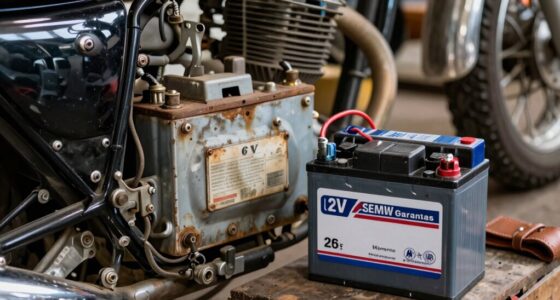
Next, look over the lights and electrical system. Even if you’re only planning daytime rides, having functional headlights and taillights is vital for safety. Test the horn or bell, and make sure that all reflectors are clean and visible. Don’t forget to check the oil level if your vintage bike has a traditional oil system, and top it off if needed. These small details can make a big difference in avoiding breakdowns far from help. Ensuring your bike’s electrical system is fully functional is crucial for safety and visibility. Regular inspections also help prevent unexpected mechanical issues during your trip.
Once your bike is mechanically sound, shift your focus to packing essentials. You’ll want to bring a basic toolkit tailored for vintage bikes, including screwdrivers, pliers, spare inner tubes, patches, and a portable bike pump. A chain tool and multi-tool can save you if minor repairs are needed on the road. Packing a small first aid kit, water bottles, and some snacks will keep you comfortable and prepared for unexpected delays.
As you pack, consider your route and the weather forecast. Pack versatile clothing, rain gear, and a compact blanket. A map or GPS device is essential, especially if your vintage ride doesn’t have built-in navigation. Bring along a phone charger or power bank, and don’t forget your bike lock for securing your bike during stops. If you’re planning to camp, make sure you’ve packed the necessary camping gear, including a tent and sleeping bag.
Finally, double-check your riding gear—helmet, gloves, and protective eyewear. Confirm that your helmet fits snugly and comfortably. With everything in place, you’ll feel confident that your vintage bike is ready for adventure. Proper preparation, including a detailed maintenance checklist and packing essentials, sets the stage for a smooth, enjoyable road trip that celebrates your love for vintage cycling.
As an affiliate, we earn on qualifying purchases.
Frequently Asked Questions
How Often Should Vintage Bikes Be Serviced Before Long Trips?
You should service your vintage bike at least every 1,000 to 1,500 miles or every six months, whichever comes first, especially before long trips. Regular maintenance is essential for safety and preserving its historical significance. Follow restoration tips like checking the brakes, tires, and fluid levels. Consistent servicing keeps your vintage bike reliable, ensuring you enjoy a smooth ride while respecting its unique history and craftsmanship.
What Safety Gear Is Recommended for Vintage Bike Rides?
Imagine you’re a knight preparing for a quest; your safety gear is your armor. You should always wear a helmet to protect your head and guarantee helmet safety, and riding gloves to maintain a firm grip and shield your hands. These essentials help you stay protected against unexpected falls or debris. Always prioritize gear that fits well and is comfortable, so you’re ready to conquer the road confidently.
Can Vintage Bikes Handle High-Speed Highway Travel?
Vintage bikes can handle high-speed highway travel with some modern upgrades, but you should be cautious. Enhancing your bike’s brakes, tires, and suspension improves safety and performance. While maintaining the aesthetic preservation of your vintage ride, these upgrades make highway speeds more manageable. Always check your bike thoroughly before hitting the road, and ride within your comfort zone to make certain of a safe, enjoyable journey.
Are Spare Parts Readily Available for Vintage Bikes?
Spare parts for vintage bikes can be tricky to find, but you might find modern replacements and aftermarket options that fit your model. It’s wise to research and stock up on essential parts before your trip. You’ll want to explore specialty shops or online marketplaces that cater to vintage motorcycle enthusiasts. Having these options on hand guarantees you’re prepared for any breakdowns, making your road trip safer and more enjoyable.
What Are Common Signs of Mechanical Issues During a Trip?
You might notice issues like uneven tire pressure or decreasing brake efficiency, which are common signs of mechanical trouble during your trip. Keep an eye on tire pressure regularly, as low or uneven pressure can cause handling problems, and test your brakes frequently to make certain they respond promptly. If you feel vibrations, sounds, or if braking feels less effective, address these issues immediately to avoid breakdowns or accidents.
bicycle multi-tool for vintage bikes
As an affiliate, we earn on qualifying purchases.
As an affiliate, we earn on qualifying purchases.
Conclusion
Before you set off on your vintage bike adventure, remember that a well-prepared machine is your trusted steed. Think of your bike as a finely tuned orchestra—each part must play its note perfectly. When you check the brakes, tires, and fluids, you’re tuning the symphony. With everything in harmony, your journey will unfold like a well-scripted classic—timeless, smooth, and filled with the thrill of the open road. Safe riding, and enjoy the vintage voyage!
bike safety lights and reflectors
As an affiliate, we earn on qualifying purchases.
As an affiliate, we earn on qualifying purchases.
As an affiliate, we earn on qualifying purchases.