

TL;DR

Get business pricing on garage and car supplies
- Business-only prices and quantity discounts
- Tax-exempt purchasing
- Multiple users, one account, clear invoices
Scammers are using AI-generated profiles and listings to pose as legitimate car dealers on Facebook Marketplace. These scams are successful, leading to significant buyer losses. Authorities and platforms are investigating the trend, but details remain limited.
Scammers using artificial intelligence to create convincing fake car dealer profiles and listings are flooding Facebook Marketplace, deceiving buyers and causing financial losses. This emerging trend is raising alarms among consumer protection agencies and platform officials, as the scams appear increasingly sophisticated and effective.
Over the past few weeks, reports have surged of fraudulent car listings on Facebook Marketplace that appear to be operated by AI-generated profiles. These profiles often mimic legitimate car dealerships, complete with professional-looking photos, detailed descriptions, and convincing contact information. Buyers who fall for these listings often send payments upfront, only to discover later that the vehicles do not exist or are significantly different from the advertised images.
Authorities and consumer protection groups have confirmed that these scams are leveraging AI technology to generate realistic profile pictures, auto-generated reviews, and fake dealership websites. The scammers typically target individuals seeking affordable used cars, promising quick transactions and favorable prices. According to a recent statement from the Better Business Bureau, these scams are “becoming more convincing and harder to detect.”
While Facebook has implemented some measures to flag suspicious listings, experts say these are often bypassed by scammers who continuously adapt their tactics. The success rate of these scams appears high, with many victims reporting financial losses averaging between $1,000 and $5,000. Law enforcement agencies are investigating several cases, but the scale and methods of the scammers remain difficult to track due to their use of virtual private networks (VPNs) and AI-generated identities.
Why AI Car Dealer Scams on Facebook Matter
This trend matters because it exposes vulnerabilities in online marketplaces that millions of users rely on for buying vehicles. The use of AI technology to craft highly convincing fake profiles signifies a new level of sophistication in online scams, making detection and prevention more challenging. Victims face not only financial loss but also emotional distress and trust erosion in digital commerce platforms. For Facebook, this raises questions about platform security and the effectiveness of existing fraud detection systems, potentially prompting stricter oversight and new safeguards.
Products Worth Considering
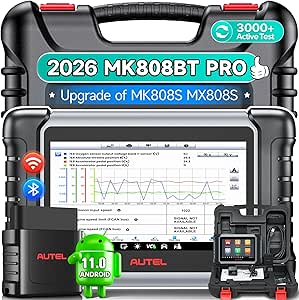
Autel MaxiCOM MK808BT PRO Bidirectional OBD2 Diagnostic Scanner

Autel MaxiCheck MX808S Bidirectional OBD2 Diagnostic Scanner

Autel MaxiCOM MK900BT Bidirectional Diagnostic Scanner
As an affiliate, we earn on qualifying purchases.
Emerging AI Scams and Digital Fraud Tactics
Online scams involving fake profiles and fraudulent listings have been a persistent issue across various platforms, but recent developments show scammers increasingly adopting AI tools to enhance their deception. AI-generated images, automated review systems, and synthetic identities are now common in scams targeting e-commerce, real estate, and vehicle sales. The current spike in Facebook Marketplace scams aligns with broader trends of AI-enabled fraud, which experts warn could escalate without stronger platform controls and consumer awareness.
Previously, scammers relied on manual fake profiles, but the integration of AI has significantly increased their success rate and operational scale. This shift is part of a wider pattern of cybercriminals exploiting emerging technologies to bypass traditional detection methods, making scams more difficult to identify and prevent.
Unclear Extent and Future of AI Car Scams
It is not yet clear how widespread these AI-driven car dealer scams are across other online marketplaces or whether new regulations will emerge to curb them. The full scale of financial losses remains unknown, as many victims may not report their cases. Additionally, the specific methods scammers use to generate convincing AI profiles and listings continue to evolve, making detection increasingly difficult. Authorities and platform officials are still investigating the full scope and impact of this trend.
Next Steps in Combating AI Car Dealer Scams
Platforms like Facebook are expected to enhance their fraud detection algorithms and implement stricter verification processes for seller profiles. Law enforcement agencies are also likely to increase investigations into these scams, potentially leading to arrests and prosecutions. Consumer awareness campaigns are expected to rise, advising users on how to identify and avoid fraudulent listings. Meanwhile, experts warn that scammers may continue refining their AI tools, which underscores the need for ongoing vigilance and technological countermeasures.
Key Questions
How can I identify a fake AI-driven car listing on Facebook Marketplace?
Look for listings with overly professional photos, vague or inconsistent descriptions, and contact details that seem suspicious or unprofessional. Verify the seller’s profile, check for reviews, and be cautious if the price is significantly lower than market value.
What should I do if I suspect a scam?
Report the listing to Facebook immediately, avoid sending money upfront, and consider consulting consumer protection agencies. Never share personal or financial information with unverified sellers.
Are there any legal actions against these AI car scams?
Law enforcement agencies are investigating some cases, but specific legal actions are still developing. The use of AI in scams presents new challenges for authorities trying to track and prosecute offenders.
Will Facebook improve its fraud detection to stop these scams?
Facebook has stated it is working to improve detection systems, but scammers are continuously adapting, making this an ongoing challenge. Users are encouraged to stay vigilant.
Source: rss