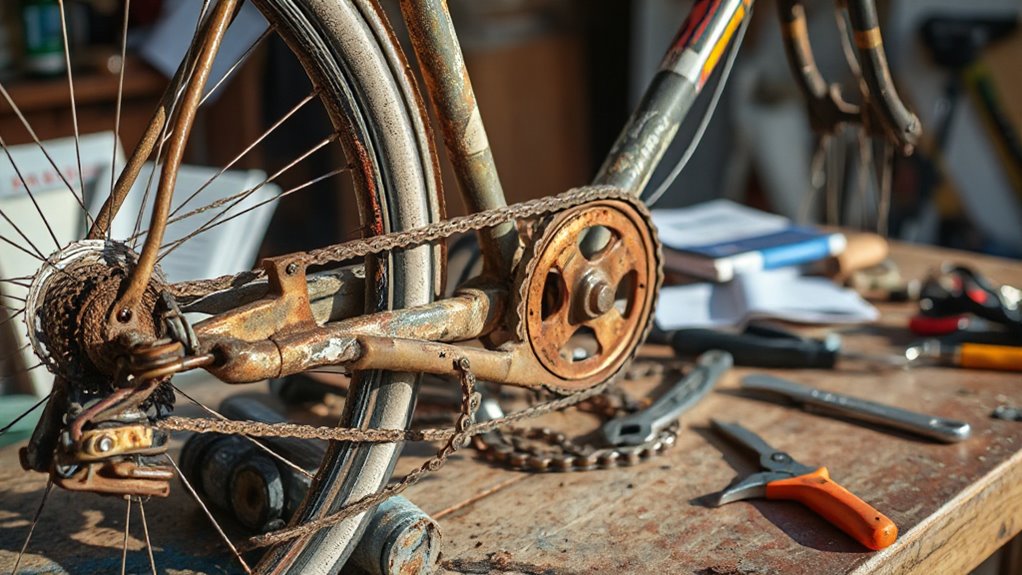

If you’re buying a non-running bike for parts or a project, it’s vital to make certain proper legal steps. You should confirm the bike’s title and ownership transfer to avoid future disputes, and check local registration laws for non-operational vehicles. Even if the bike isn’t running, insurance and inspections might be required. Doing these things properly now helps protect your investment and keeps you compliant with the law. There’s more to take into account if you want to get it right.

Get garage and car supplies delivered free — and shop member deals
- Fast, free delivery on millions of items
- Access to Prime Big Deal Days deals on October 6–7
- Prime Video, Amazon Music and more included
Key Takeaways
- Ensure proper title transfer and registration to establish legal ownership for a non-running bike.
- Verify local laws regarding registration, use, and display of non-operational bikes to avoid legal issues.
- Consider insurance requirements, even if the bike is non-operational, to protect against liabilities.
- Obtain necessary inspections and documentation to ensure compliance and facilitate registration.
- Following legal procedures helps prevent future disputes, fines, and legal complications during project or resale.
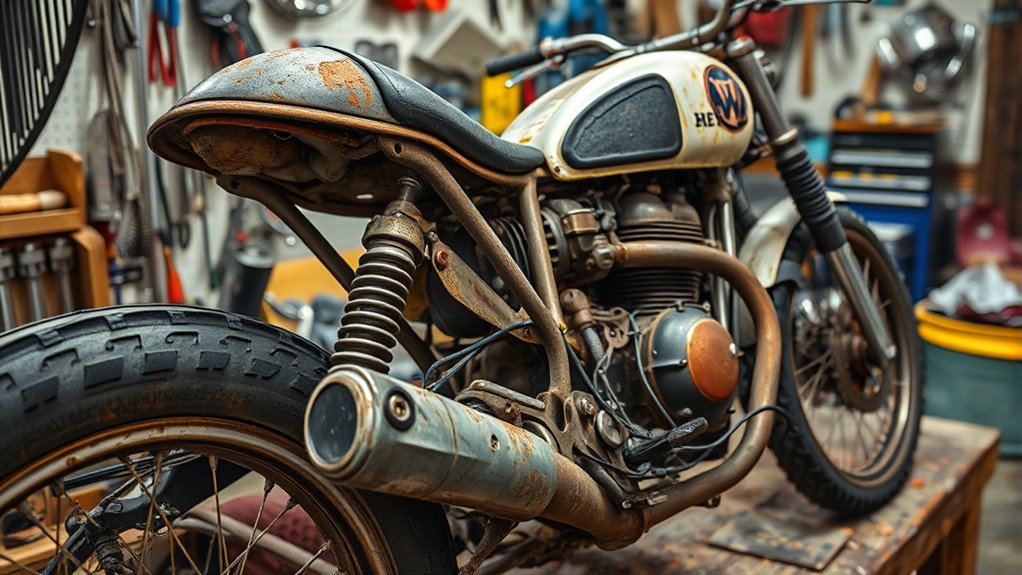
Buying a non-running bike can seem like a bargain, but it’s important to understand the legal considerations involved. When you purchase a bike that doesn’t currently operate, one of your first steps should be to address title registration. This process confirms your legal ownership of the vehicle. Even if the bike isn’t running, you need to ensure it’s properly titled in your name to avoid future disputes or legal issues. Skipping this step can lead to complications if you decide to sell the bike later or transfer ownership. Many states require a title transfer when buying or selling, and failing to complete this can result in fines or penalties. Additionally, some jurisdictions may have specific rules about registering non-operational bikes, especially if they’re intended for parts or restoration.
Registering a non-running bike ensures legal ownership and avoids future ownership disputes.
Along with title registration, insurance requirements are a critical consideration. While an inoperative bike might seem like a project or parts vehicle, you might still need insurance coverage depending on how you plan to use it. If you’re transporting the bike, storing it on public property, or even working on it in a public space, liability insurance could be a legal requirement. Some states mandate that all registered vehicles, including non-running bikes, carry at least minimal insurance coverage. Even if insurance isn’t legally required for a non-operational bike, it’s wise to contemplate it. Insurance can protect you from potential liabilities if the bike causes damage or injury while being moved or worked on.
Another factor to keep in mind is that when you buy a non-running bike, you might need to get a vehicle inspection before registering it. This inspection verifies that the bike meets safety standards and helps prevent illegal or unsafe vehicles from being registered. Depending on your state, you might also be required to provide proof of ownership, such as a bill of sale, along with your application for title transfer and registration. If the bike is intended solely for parts, some jurisdictions have specific rules about how it can be used or displayed on public roads. Furthermore, security zone information indicates the importance of verifying that your vehicle registration and insurance are compliant with local laws to avoid potential legal issues.
Ultimately, understanding the legal considerations around title registration and insurance requirements ensures you avoid future headaches. Whether you plan to restore the bike or use it for parts, following proper legal procedures protects your investment and keeps you compliant with local laws. Doing your homework upfront saves you time, money, and potential legal trouble down the road.
As an affiliate, we earn on qualifying purchases.
Frequently Asked Questions
Can I Register a Bike That Doesn’t Run?
Yes, you can register a bike that doesn’t run, but it depends on your local DMV requirements. You might need to provide proof of ownership and pass an inspection. Keep in mind, restoring it will cost you, impacting your overall restoration costs. A non-running bike may have a lower resale value, but if you fix it properly, you could increase its value and make registration easier in the future.
What Documentation Is Needed to Buy a Non-Running Bike?
They say a picture is worth a thousand words, but when buying a non-running bike, proper documentation conveys volumes. You’ll need the title to prove ownership and a bill of sale to document the transaction. Make sure the title is clear and matches the seller’s ID. These documents help you transfer ownership legally and ensure the bike isn’t stolen, giving you peace of mind before you start your project.
Are There Specific Laws for Buying Bikes for Parts?
When buying bikes for parts, you should be aware of laws against illegal sales and proper ownership transfer. Some jurisdictions restrict the sale of damaged or non-running bikes to prevent theft or illegal resale. Always make sure the seller provides proper documentation and completes the ownership transfer legally. Failing to do so might result in legal issues or the bike being considered stolen, so verify the legality before completing your purchase.
How Do I Ensure the Bike Isn’t Stolen?
Think of verifying legal ownership like a detective solving a mystery. To prevent bike theft, always ask for the original bill of sale or receipt, and check the bike’s serial number against local police or online databases. Conduct a quick background check to confirm it’s not stolen. These steps help guarantee you’re not unknowingly buying stolen property and safeguard against legal trouble down the road.
Is Insurance Required for a Non-Operational Bike?
Insurance isn’t usually required for a non-operational bike, but legal registration often is, depending on your location. You should check local laws to see if registering the bike is mandatory, even if it doesn’t run. If you plan to store or transport it, consider insurance to protect against theft or damage. Always verify the legal requirements in your area to make sure you’re compliant before making a purchase.
non-operational bike registration plate
As an affiliate, we earn on qualifying purchases.
As an affiliate, we earn on qualifying purchases.
Conclusion
Whether you see that non-running bike as a hidden treasure or a risky gamble, remember that legal waters can be tricky to navigate. Think of it as a delicate dance on a tightrope — balance is key. With the right knowledge, you can turn this potential headache into a rewarding journey. So, weigh your options carefully, and don’t let legal pitfalls derail your passion. Your perfect ride awaits — just tread thoughtfully.
motorcycle insurance for non-running bike
As an affiliate, we earn on qualifying purchases.
As an affiliate, we earn on qualifying purchases.
As an affiliate, we earn on qualifying purchases.
Fall Picks
fall essentials
As an affiliate, we earn on qualifying purchases.