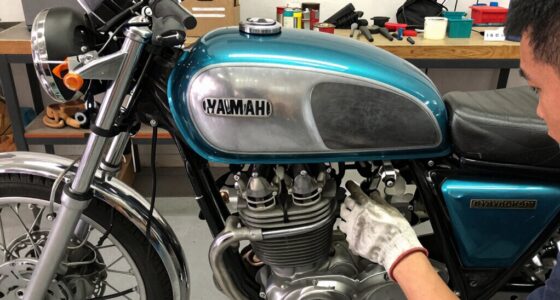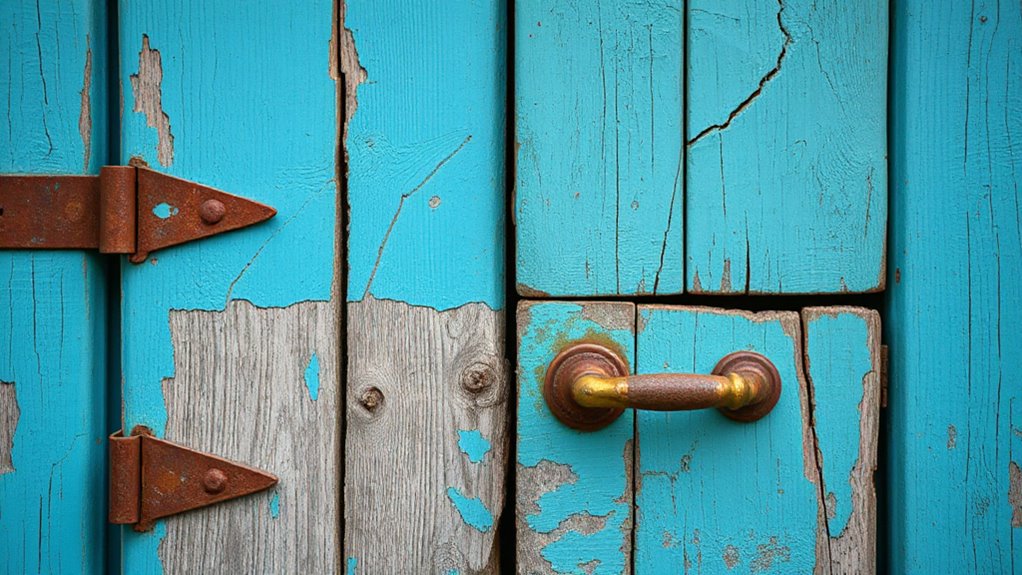

When deciding between preserving patina or applying paint, focus on maintaining the building’s authentic character. Preserving patina respects natural aging, showcasing the history and uniqueness of materials. Using paint can enhance appearance and protect surfaces but risks erasing authentic signs of wear. Strike a balance by honoring original features while thoughtfully improving aesthetics. If you choose to explore further, you’ll discover key principles for making wise restoration decisions that honor history and beauty.
Key Takeaways
- Preserve existing patina to maintain authenticity and highlight the building’s historical character.
- Use fresh paint sparingly to enhance aesthetics without covering natural aging signs.
- Prioritize restoring original materials and condition over overly repainting or concealing wear.
- Balance aesthetic improvements with respect for the site’s story and natural aging process.
- Make informed decisions that honor the building’s history while ensuring structural integrity and visual appeal.
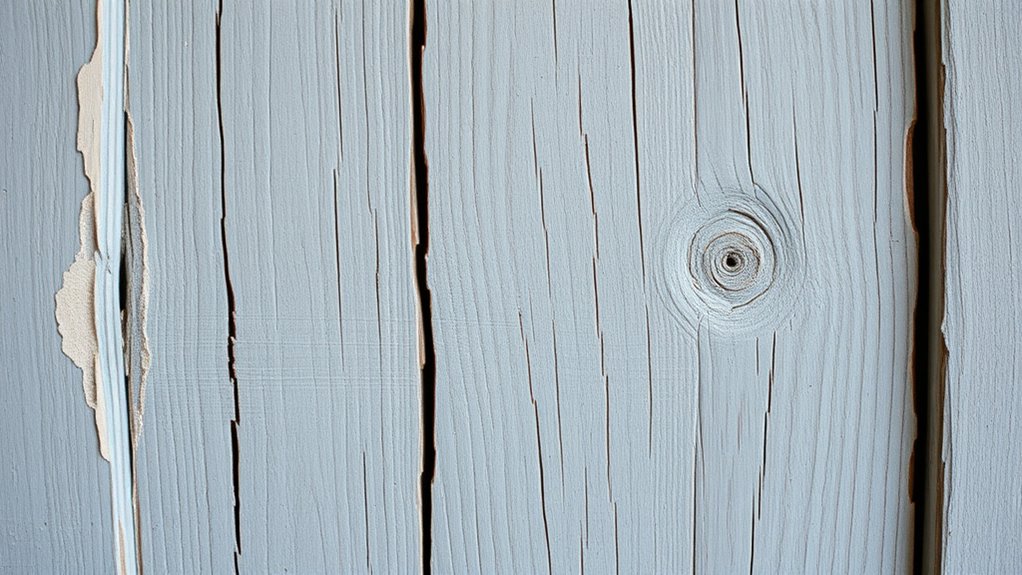
Have you ever wondered how to determine the right balance between restoring a historic site and preserving its original character? When it comes to deciding whether to retain the patina or to repaint, you’re faced with a critical choice that influences the site’s authenticity preservation and aesthetic enhancement. Restoring a building isn’t just about appearances; it’s about maintaining its story and integrity. If you opt to preserve the natural aging and wear, you honor the structure’s history, allowing its character to shine through authentically. This approach emphasizes keeping the patina—the subtle layers of age that tell a story—rather than covering them up with fresh paint. It’s about respecting the material’s original state, which often adds value in terms of character and historical significance.
Preserving patina honors a building’s authentic history and character.
On the other hand, sometimes a fresh coat of paint can improve the aesthetic appeal, making the site look revitalized and more appealing to visitors or clients. Paint can serve as a protective barrier, shielding surfaces from future damage and decay. However, it’s essential to consider whether this aesthetic enhancement aligns with the site’s historical context. Over-restoring with paint can sometimes erase the authenticity preservation efforts, making the site look artificially new rather than genuinely historic. That’s why it’s crucial to evaluate the purpose of restoration—are you trying to showcase the building’s original craftsmanship or simply make it visually appealing? Striking the right balance involves understanding what elements contribute to the site’s unique character and what might be considered superficial.
Deciding how much to restore also depends on the materials involved and their condition. If the original materials are still sound, it might be best to preserve their natural aging, treating them carefully to maintain their integrity. When surfaces are severely deteriorated, gentle restoration combined with subtle aesthetic enhancements could be preferable. This way, you respect the fabric of the building while ensuring it remains structurally sound and visually coherent.
Additionally, understanding the importance of preservation can guide your decision-making process, helping you to prioritize what aspects of the building retain their historic value. Ultimately, your goal should be to honor the historic essence without unnecessary intervention. Preservation isn’t about freezing a building in time or making it look brand new; it’s about carefully choosing what to retain and what to improve. By considering both the authenticity preservation and aesthetic enhancement, you can make informed decisions that celebrate the site’s history while ensuring it remains functional and beautiful. Your choices will shape how future generations experience and appreciate the building’s original charm and timeless appeal.
Frequently Asked Questions
How Do I Identify Authentic Patina Versus Artificial Aging?
You can identify authentic patina by examining aging indicators like natural discoloration, surface wear, and subtle variations in texture, which reflect vintage authenticity. Authentic patina develops gradually, so look for consistent signs across the piece, unlike artificial aging, which often appears uneven or overly uniform. Trust your senses—touch, sight, and even smell—to distinguish genuine aging from artificial effects, ensuring your restoration respects the item’s true history.
What Tools Are Best for Minimal Preservation Work?
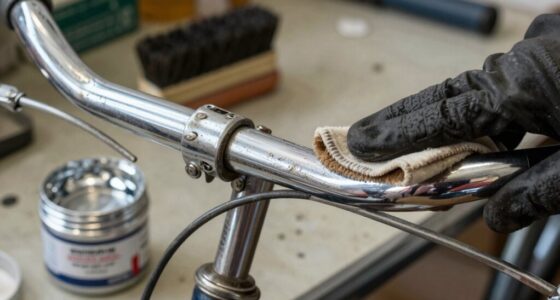
You should grab soft brushes, gentle cloths, and mild cleaning techniques like distilled water for minimal preservation work. Use preservation tools like plastic spatulas and microfiber cloths to avoid damage while cleaning delicate surfaces. These tools help you carefully remove dirt or grime without stripping the natural patina, ensuring the piece retains its authentic charm. Remember, gentle is the key—powerful tools could ruin the history you’re trying to preserve!
Can Restoration Decrease a Piece’s Value?
Restoration can decrease a piece’s value if it violates restoration ethics or clashes with collector preferences. If you over-restore or alter the original patina, collectors might see it as less authentic, lowering its worth. To maintain value, you should carefully balance preservation and restoration, respecting the piece’s history. Always consider the piece’s provenance and the expectations of potential buyers before making significant changes.
How Do I Balance Historical Integrity With Aesthetic Appeal?
Think of your piece as a delicate dance between history and beauty. To balance historical integrity with aesthetic appeal, preserve its vintage charm by maintaining authentic patina while gently enhancing its features. Aim for aesthetic harmony, where the original character shines through, respecting its story. You create a timeless treasure that honors its past while delighting the eye, ensuring both history and beauty coexist gracefully.
Are There Legal Considerations for Restoring Antique Items?
You should verify local regulations because restoration permits and antique laws vary by location. Some areas require permits for significant restorations or repairs, especially if the item is protected or listed. Research specific antique laws to ensure you’re compliant, avoiding fines or legal issues. Consulting with professionals or local authorities can help you understand what’s permitted, so you preserve your antique’s integrity while staying within legal boundaries.
Conclusion
Ultimately, choosing between restoration and preservation depends on your personal connection and the item’s story. Trust your instincts, but remember the adage, “A thing of beauty is a joy forever.” Sometimes, letting the patina shine preserves its history and character, while at other times, gentle restoration revives its spirit. Find the balance that resonates with you, honoring the past while embracing the present. After all, preservation is about respecting stories etched in time.