When restoring an old motorcycle, avoid skipping a thorough assessment, as hidden rust and damage can lead to costly repairs later. Keep your workspace organized to prevent lost parts and mistakes. Make certain to inspect and refresh critical engine, electrical, suspension, and brake components to ensure safety and reliability. Don’t ignore cosmetic details or delay needed replacements, as these can worsen over time. Staying on top of these key areas will help prevent common pitfalls—explore these tips further to ensure a smooth restoration journey.
Key Takeaways
- Conduct a thorough initial inspection to identify hidden rust, corrosion, and internal damage before starting repairs.
- Avoid skipping essential mechanical and engine diagnostics, such as compression tests and component inspections.
- Keep your workspace organized and clean to prevent part loss, safety hazards, and to ensure efficient workflow.
- Regularly inspect and replace electrical wiring, connectors, and spark plugs to prevent electrical failures and ensure reliable ignition.
- Don’t neglect suspension, brake, and wheel conditions; address leaks, wear, and damage promptly for safety and optimal handling.
Skipping a Thorough Initial Assessment
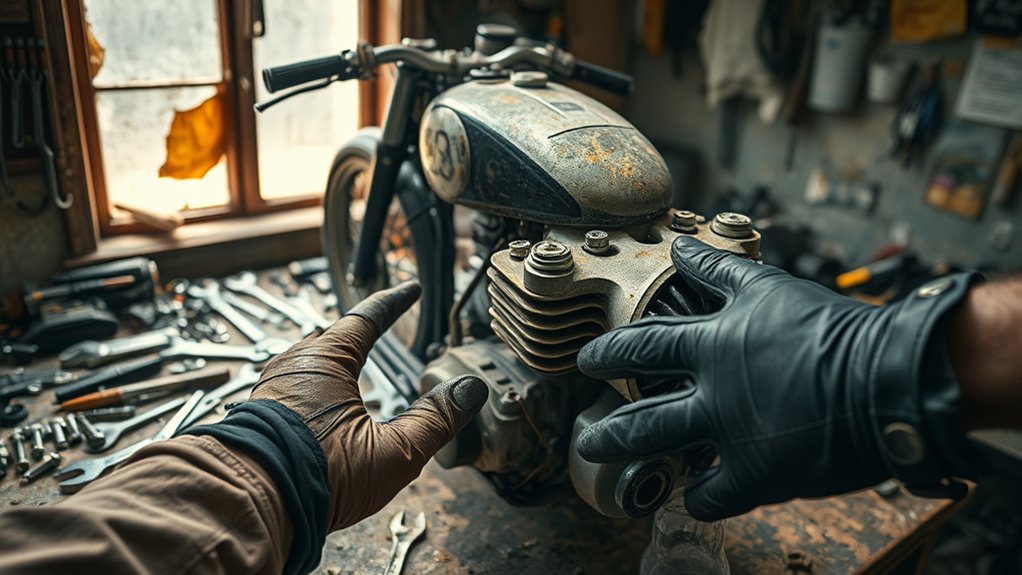
Skipping a thorough initial assessment can lead to overlooked issues that complicate the entire restoration process. You might miss hidden rust, corrosion, or internal damage that could require costly repairs later. Failing to inspect critical components such as the engine, frame, and wiring means you could overlook parts needing immediate attention or replacement. Without a detailed plan, you risk misjudging the scope of work, which can cause delays and budget overruns. Skipping this step might also result in missing small but essential repairs, like worn seals or broken fasteners, that could compromise safety and performance. Additionally, understanding auditory processing challenges may help in diagnosing issues that are not immediately visible but affect the motorcycle’s operation and safety. Recognizing hidden damage during the assessment allows for more accurate planning and resource allocation. Taking the time to evaluate every aspect upfront saves you time, money, and frustration down the line, ensuring your restoration starts on solid ground.
Neglecting to Prepare a Well-Organized Workspace
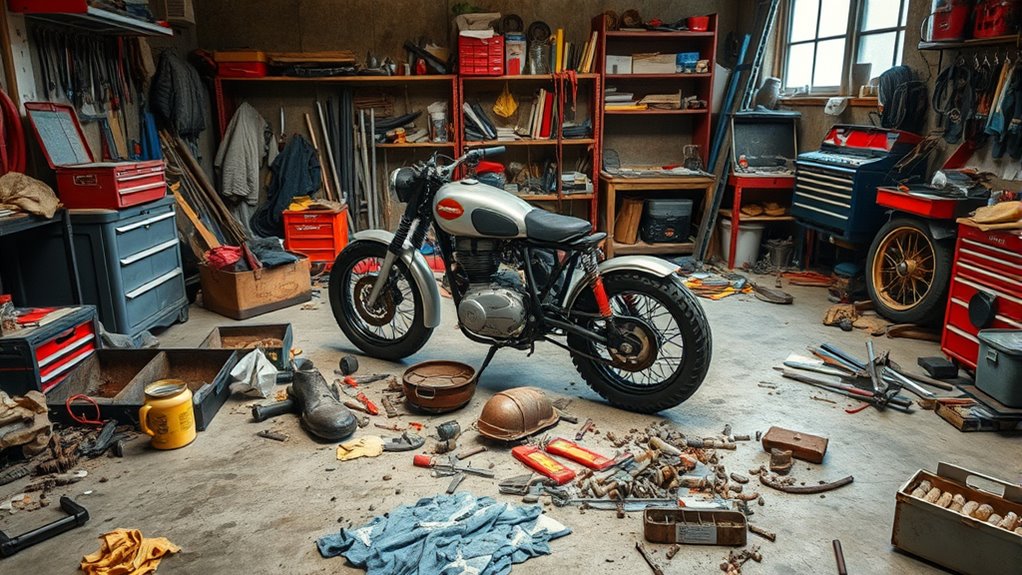
A cluttered or disorganized workspace can quickly turn your motorcycle restoration into a frustrating ordeal. When your tools, parts, and work area aren’t arranged, you waste time searching for essentials and risk losing small components. To avoid this, follow these steps:
- Use dedicated storage bins for nuts, bolts, and small parts to keep everything sorted and accessible.
- Install proper lighting to clearly see every detail and prevent mistakes during delicate tasks.
- Clear your workspace of unnecessary clutter, creating enough room to move around safely and work efficiently.
- Incorporate modern organizational tools to streamline your workflow and keep your workspace tidy at all times. Additionally, ensuring proper ventilation considerations can improve air quality and comfort during long restoration sessions. Recognizing the importance of workspace layout helps optimize your efficiency and safety. Implementing ergonomic workstations can also reduce fatigue and improve your overall comfort while working on your motorcycle. Regularly reviewing and adjusting your workspace organization can further maintain a safe and productive environment.
A well-organized area reduces stress, prevents parts from getting lost, and helps you work more precisely. Preparing your workspace properly is a crucial first step toward a smooth restoration process.
Overlooking Critical Mechanical and Engine Inspections

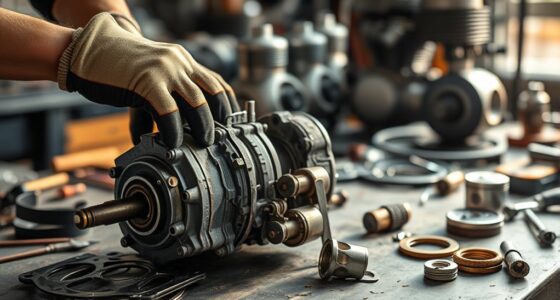
You might overlook essential engine inspections that can cause big problems later on. Skipping a compression check or ignoring the condition of critical components like cam chests and lifters can lead to costly failures. Don’t forget to replace worn seals and gaskets, as they prevent leaks and keep the engine running smoothly. Regularly inspecting essential oils for engine health can also help identify issues before they escalate. Understanding engine component details is crucial for a thorough restoration process. Additionally, maintaining proper oil levels and quality ensures optimal engine performance and longevity. Incorporating connected diagnostic tools can further aid in early detection of potential engine problems, saving time and money. Proper filter and media selection can significantly impact engine cleanliness and function over time.
Engine Compression Checks
Performing a compression check is a crucial step in evaluating the engine’s health during motorcycle restoration. It helps identify internal issues like worn piston rings, valve leaks, or head gasket failures that could cause poor performance later. To guarantee accurate results, follow these steps:
- Remove all spark plugs and disable the ignition system.
- Fully throttle the engine and crank the starter to build maximum compression.
- Record the readings from each cylinder and compare them to the manufacturer’s specifications.
- Using a European Cloud Server, you can analyze compression data more effectively and ensure your engine diagnostics are precise.
If compression is uneven or below recommended levels, it indicates internal wear or damage. Ignoring this check can lead to overlooked problems that may cause engine failure or poor operation down the line. Always perform this test early for a clear picture of engine condition.
Critical Component Inspection
After completing the engine compression check, inspecting critical mechanical components guarantees the engine’s internal health is fully assessed. You should thoroughly examine the camshaft, lifters, and timing chain for wear, cracks, or corrosion. Check the valve springs and rocker arms for damage or fatigue. Inspect the piston rings, cylinder walls, and connecting rods for scoring or pitting. Don’t overlook the oil pump and filter, ensuring they function properly and aren’t clogged. Examine the clutch assembly and transmission components for wear or damage. Confirm that all gears shift smoothly and that there’s no excessive play. Additionally, performing a comprehensive component inspection can help identify potential issues early, preventing unforeseen failures and helping maintain prime engine performance. Incorporating a thorough diagnostic test can further ensure all systems are functioning optimally. Finally, inspect the cooling system components, like the radiator and hoses, for leaks or corrosion.
Seal and Gasket Replacement
Neglecting to replace old seals and gaskets during a motorcycle restoration can lead to significant issues down the line, such as leaks and reduced engine efficiency. Worn seals can cause oil leaks, leading to engine damage and messes. Gaskets that have degraded may fail to seal properly, risking coolant or oil mixing. To avoid these problems, you should:
- Inspect all seals and gaskets thoroughly for cracks, hardening, or deterioration.
- Replace all gaskets when disassembling major components like the cylinder head, clutch cover, or timing cover.
- Use high-quality, OEM-compatible seals and gaskets to ensure proper fit and longevity.
Skipping this step can result in costly repairs and compromised performance later on. Regular replacement is essential for a reliable, long-lasting restoration.
Failing to Check and Refresh Electrical Components
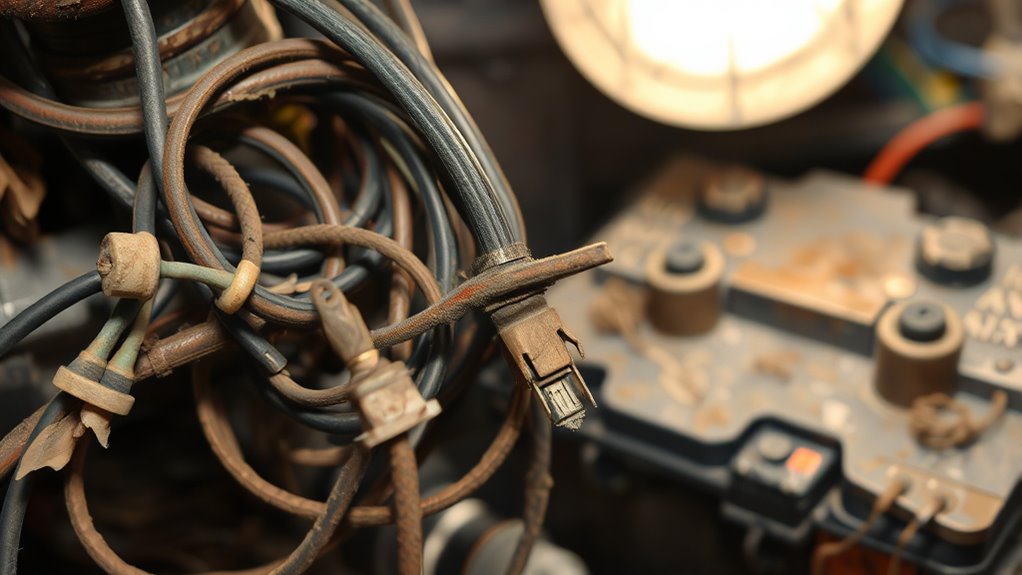
You need to carefully inspect all wiring connections and look for signs of abrasion or corrosion, as faulty wiring can cause intermittent issues. Replacing old spark plugs guarantees reliable ignition and ideal engine performance. Skipping these steps can lead to electrical failures that are tough to diagnose later on. Additionally, ensuring that the electrical components are free of corrosion or damage helps maintain the motorcycle’s overall safety and functionality. Regular testing and maintenance of electrical systems further reduces the likelihood of unexpected failures during riding. Incorporating preventive measures such as applying dielectric grease can also help protect connections from future corrosion. Being aware of toilet maintenance and common issues can help prevent electrical components from being affected by water damage or corrosion over time. Moreover, understanding digital asset security principles can inform better practices for safeguarding sensitive electrical system components against environmental damage.
Inspect Wiring Integrity
Inspecting wiring integrity is a critical step in motorcycle restoration because electrical issues can cause unpredictable faults and safety hazards. You need to ensure all wiring is sound and free from damage. Start by:
- Checking for frayed, cracked, or melted insulation that could cause shorts.
- Inspecting connectors and fasteners for corrosion or looseness, which can disrupt current flow.
- Testing wiring continuity with a multimeter to identify broken or compromised circuits.
- Remember to monitor filter indicators if your motorcycle’s electrical system includes any monitoring components for ongoing maintenance. Regularly assessing electrical system health can prevent future failures and ensure safety. Additionally, staying informed about wiring standards can help guide proper repairs and upgrades. If you find any damaged wiring, replace or repair it immediately. Also, consider revitalizing old wiring with new insulation or wiring harnesses to prevent future issues. Proper inspection and updates ensure your electrical system is safe, reliable, and ready for road use.
Replace Old Spark Plugs
Old spark plugs can greatly hinder your motorcycle’s performance and reliability, especially if they haven’t been replaced in a while. Worn or fouled plugs can cause misfires, poor acceleration, or difficulty starting. Before installing new plugs, check their condition—look for carbon build-up, cracks, or worn electrodes. Always match the spark plug type and gap specifications listed in your bike’s manual. Failing to refresh this vital component can lead to incomplete combustion, reduced fuel efficiency, and increased emissions. When replacing, ensure the engine is cool to avoid injury. Carefully thread the new plugs by hand to prevent cross-threading, then tighten them to the recommended torque. Properly maintained spark plugs are essential for reliable ignition and smooth engine performance.
Ignoring Suspension, Brake, and Wheel Condition
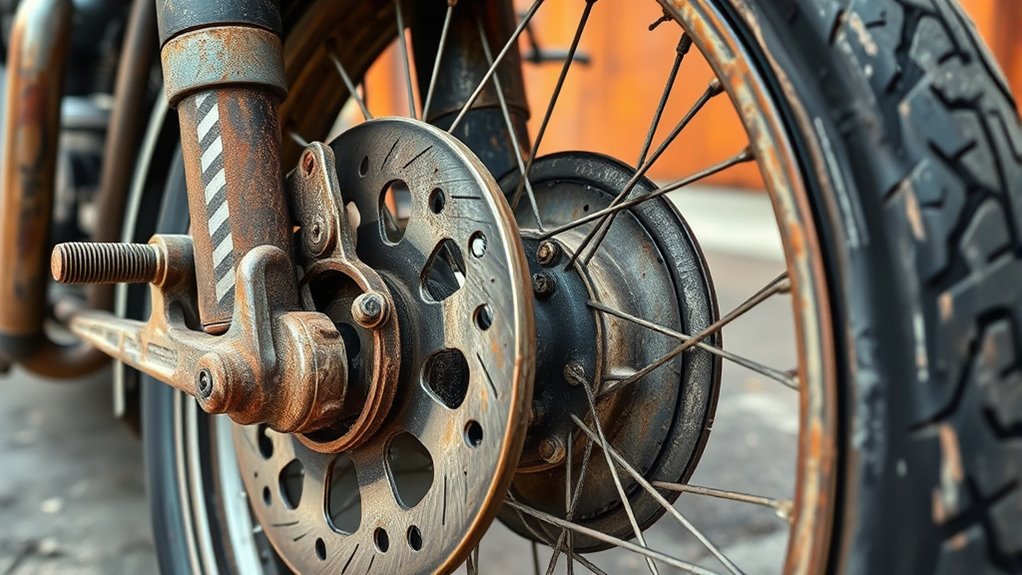
Neglecting the condition of suspension, brakes, and wheels can seriously compromise both safety and performance. You might overlook leaks in fork seals, leading to poor suspension and handling issues. Failing to inspect brake lines, master cylinders, and calipers can result in dangerous brake failure. Worn or cracked brake lines should be replaced with stainless steel braided ones for safety. Additionally, neglected wheels often develop rust or stains, affecting balance and ride quality. Sign of wear like rust, kinks, or sharp teeth on sprockets and chains can cause drivetrain problems. Regularly check:
- Fork seals for leaks and proper operation.
- Brake components for cracks, leaks, or wear.
- Wheel rims and sprockets for rust, damage, or wear.
Address these issues to guarantee safety, smooth handling, and peak performance.
Neglecting Proper Cleaning and Rust Removal

If you skip thorough cleaning and rust removal, dirt and corrosion can hide hidden damage and accelerate deterioration. Neglecting rust treatments allows corrosion to spread, weakening metal parts over time. Without protective coatings, the surface remains vulnerable, making future restoration more difficult and costly.
Overlooking Deep Cleaning
Deep cleaning is a crucial step that often gets overlooked during motorcycle restoration, yet it can reveal hidden rust, corrosion, and damage that might otherwise go unnoticed. Skipping this step means you risk missing early signs of deterioration and prolonging future repairs. To avoid this, focus on:
- Thoroughly degreasing all components to remove grime and oil buildup.
- Using appropriate cleaning agents for chrome, aluminum, and steel parts to prevent corrosion.
- Carefully inspecting for rust, especially in hard-to-see areas, and addressing it promptly.
Neglecting deep cleaning can hide critical issues and make rust removal more difficult later. By dedicating time to proper cleaning, you ensure a solid foundation for the restoration process and help preserve the motorcycle’s integrity for years to come.
Ignoring Rust Treatments
Are you overlooking rust treatments during your motorcycle restoration? Ignoring proper cleaning and rust removal can lead to severe long-term damage. Rust weakens metal components, making them prone to cracks and failure. If you skip thorough surface preparation, rust will continue to spread beneath paint or protective coatings, accelerating deterioration. Use wire brushes, rust converters, or chemical removers to eliminate rust from critical parts like the frame, fork tubes, and engine casings. Failing to address rust early can compromise safety and reduce the bike’s value. Remember, a clean, rust-free surface is vital before painting or applying protective coatings. Taking the time to treat rust properly ensures your restoration is durable, safe, and visually appealing. Don’t neglect this essential step in your project.
Skipping Protective Coatings
Neglecting proper cleaning and rust removal before applying protective coatings leaves your motorcycle vulnerable to corrosion and long-term damage. Without a clean surface, coatings won’t adhere properly, allowing moisture and dirt to damage the metal. To ensure durability, focus on these steps:
- Remove existing rust with wire brushes or chemical rust removers.
- Clean all surfaces thoroughly with degreasers and soap to eliminate grease and grime.
- Dry everything completely to prevent moisture entrapment before applying coatings.
Skipping these steps can cause coatings to peel or flake off, exposing metal to rust. Proper preparation creates a strong bond, extending the life of your restoration. Skipping protective coatings now will cost you more repairs later.
Deviating From Original Specifications and OEM Parts
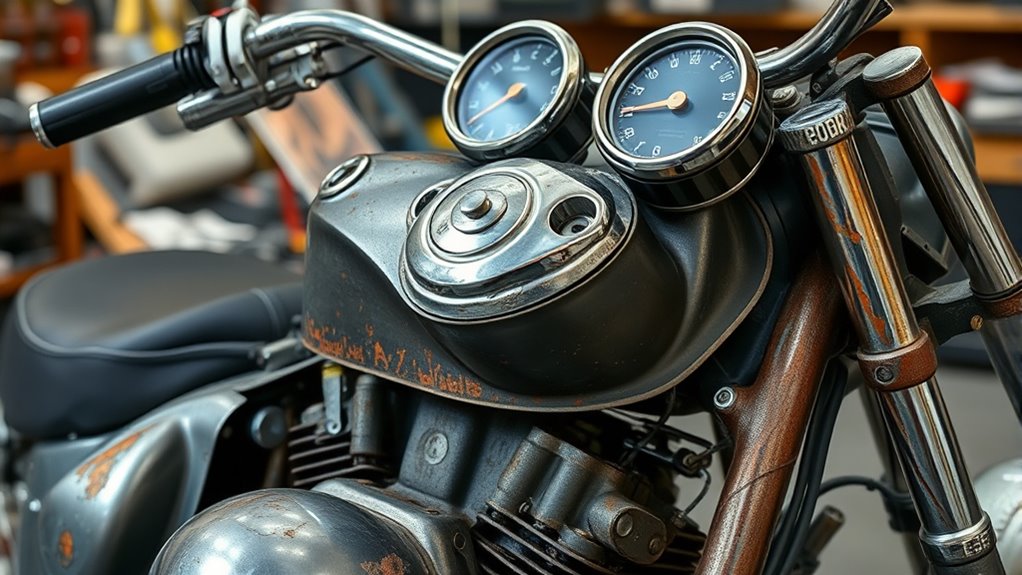
Deviating from the original specifications or using non-OEM parts can seem like a quick fix, but it often leads to long-term issues. Non-original parts may not fit properly, causing alignment problems or premature wear. They might also lack the durability and safety standards of OEM components, risking your bike’s reliability. When you replace parts that don’t match the original specs, you compromise the bike’s performance and value. Additionally, deviating from the manufacturer’s design can affect the bike’s handling and safety. If you plan to restore your motorcycle for authenticity or resale, sticking to OEM parts preserves its original integrity. Remember, the goal is a reliable, safe, and authentic restoration, so avoid shortcuts that could undermine these objectives.
Delaying Replacement of Worn or Damaged Parts
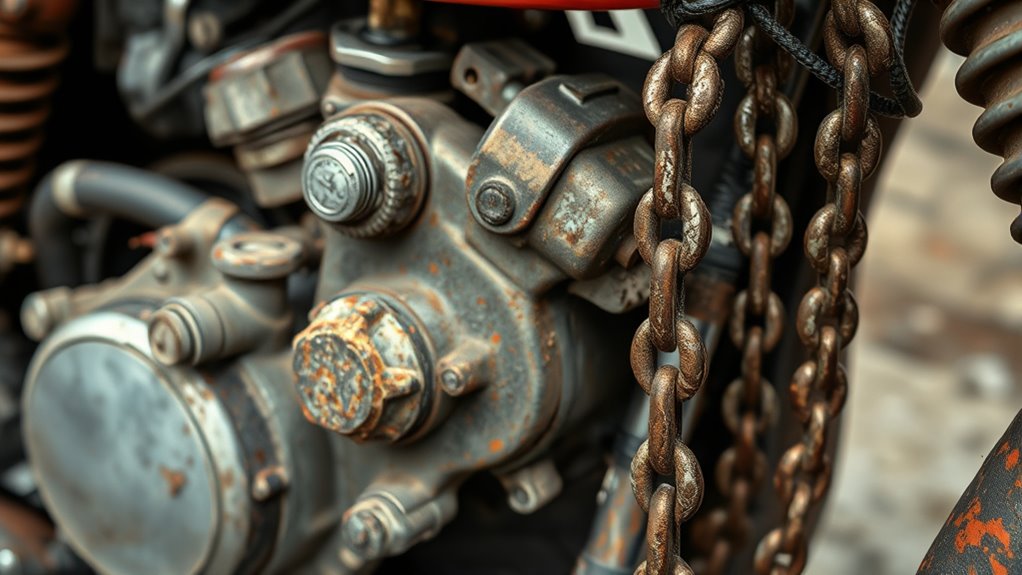
Delaying the replacement of worn or damaged parts can lead to more serious problems down the line. You risk causing further damage to adjacent components or even compromising safety. To avoid this, consider these key points:
- Prioritize replacing critical parts like brake lines, seals, and gaskets as soon as you notice wear or damage.
- Regularly inspect and replace tires, chains, and sprockets to prevent breakdowns or accidents.
- Address engine issues, such as worn pistons or valves, promptly to maintain performance and avoid costly repairs later.
Ignoring these signs often results in higher repair costs and extended downtime. Acting quickly ensures your restoration stays on track, keeps the motorcycle safe, and preserves its value. Don’t postpone essential replacements—it’s a small step for big long-term benefits.
Overlooking Cosmetic Restoration and Surface Finishes
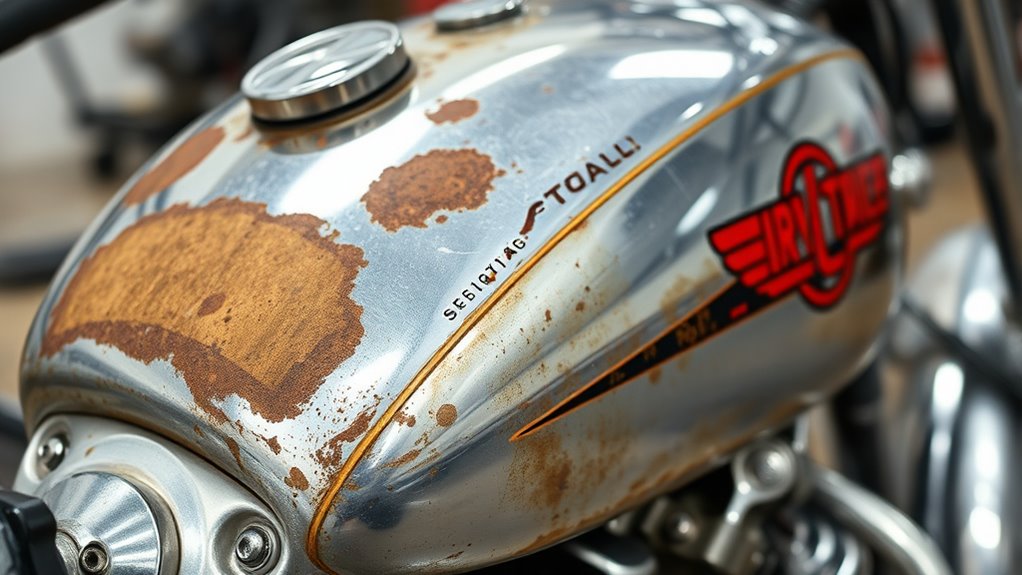
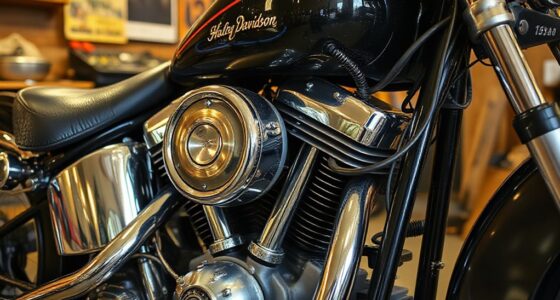
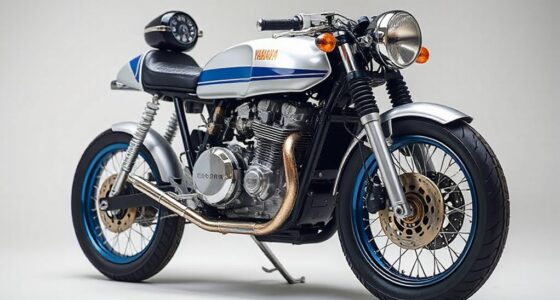
Have you considered how much the surface finish and cosmetic details contribute to your motorcycle’s overall appearance and value? Overlooking these aspects can make your restoration look incomplete or poorly maintained. Neglecting deep cleaning hides rust, dirt, and corrosion that can worsen over time. Failing to remove rust from chrome, aluminum, or steel parts accelerates deterioration and diminishes shine. Ignoring paint correction or skipping repainting scratched or faded surfaces results in a dull, unappealing look. Additionally, neglecting to restore or replace scratched windshields and signal lenses impacts safety and aesthetics. Polishing exhaust finishes and engine fins prevents oxidation and discoloration. Paying attention to surface finishes and cosmetic details not only enhances your bike’s beauty but also preserves its value and prolongs its lifespan.
Lacking a Detailed Restoration Plan
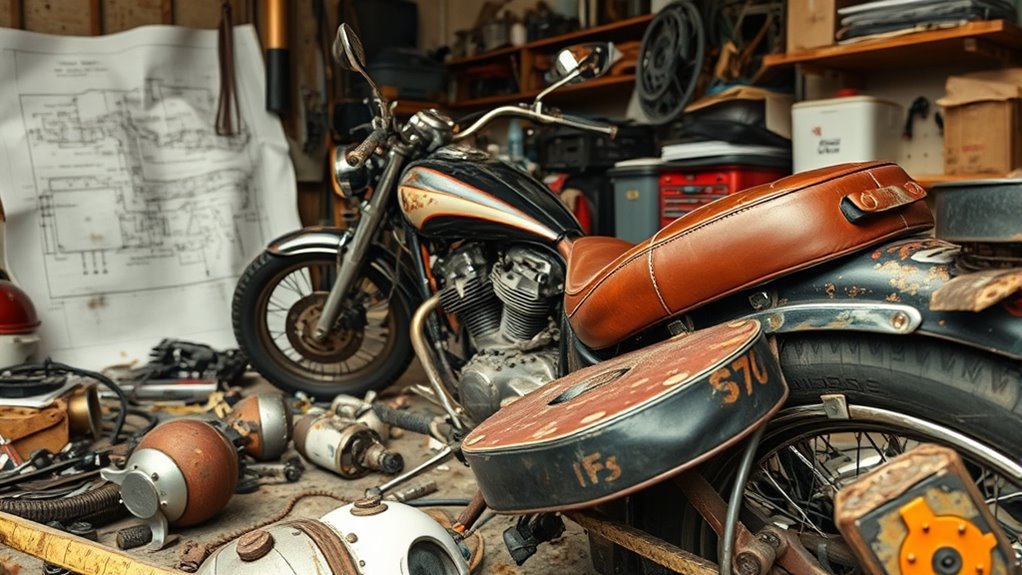
Without a detailed restoration plan, you risk wasting time, money, and effort on unnecessary tasks or missing critical repairs. A clear plan helps you prioritize steps and avoid overlooked issues. To craft an effective plan:
- Assess the bike thoroughly, noting rust, damage, and worn parts.
- Set a realistic timeline and budget for each phase.
- Gather necessary tools, parts, and resources before starting.
Having these steps mapped out ensures a smoother process. It prevents you from rushing repairs or skipping essential work, which could cause costly setbacks later. A well-structured plan also keeps you focused, reducing frustration and disorganization. Remember, a detailed approach is key to restoring your motorcycle efficiently and achieving professional results. Skipping this step often leads to oversights and incomplete restoration.
Frequently Asked Questions
How Do I Identify Hidden Damage During Initial Assessment?
During your initial assessment, you should thoroughly inspect all critical components for hidden damage. Use a flashlight to check for rust, cracks, or corrosion, especially in hard-to-see areas. Perform a compression test on the engine to uncover internal wear. Look for leaks, warped parts, or unusual wear patterns on brakes and suspension. Carefully disassemble where needed, and note any corrosion or damage that isn’t immediately visible, so you can plan repairs effectively.
What Tools Are Essential for Organizing Parts and Tools?
Think of your workshop as your command center. You’ll want a set of labeled storage bins or small parts organizers to keep bolts, nuts, and tiny components orderly. A toolbox with screwdrivers, pliers, and wrenches is essential for quick access. Magnetic trays help hold small parts during disassembly. Additionally, a good lighting setup guarantees you see every detail clearly, making your restoration smoother and more enjoyable.
How Can I Test Engine Compression Effectively?
To test engine compression effectively, you need a compression tester kit, which includes a gauge and a hose. First, warm up your engine to normal operating temperature. Remove the spark plug and connect the tester to the spark plug hole. Hold the throttle wide open and crank the engine with the starter. Record the highest reading on the gauge. Repeat for each cylinder to make certain of consistent compression levels.
Which Electrical Components Should Be Prioritized for Inspection?
You should prioritize inspecting your ignition system connections and fasteners to prevent intermittent faults. Check and replace old spark plugs for reliable ignition. Examine wiring for abrasion or damage that could cause shorts. Ensure the battery is fresh to power the system properly. Also, inspect bulbs and fuses to maintain visibility and safety. Addressing these components first guarantees your motorcycle’s electrical system functions safely and efficiently.
What Are the Signs of Suspension or Brake System Deterioration?
Your suspension and brake systems give signs like a warning bell ringing. Look for leaks around fork seals, which indicate oil loss, and check for uneven or excessive brake pedal travel. Cracks, leaks, or soft feels in brake lines reveal deterioration. Rust, shiny spots, or kinks on wheels and brake components also signal wear. If you notice these signs, it’s time to replace or refurbish parts before your ride becomes a safety hazard.
Conclusion
Restoring an old motorcycle is a rewarding journey, but avoid these mistakes to keep it smooth. As you delve into your project, you’ll likely find that paying attention to details, like your initial assessment or choosing the right parts, makes all the difference. Sometimes, a overlooked bolt or a missed step can turn your dream ride into a headache. Stay organized, be thorough, and you’ll surprise yourself with a stunning, reliable motorcycle you can truly be proud of.