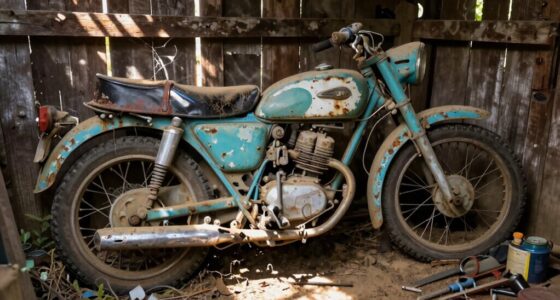
Restoring a Suzuki GS Series motorcycle involves several key challenges. You’ll need to over-haul the engine, repair or replace rusted or cracked frames, and make certain the electrical system is reliable. Upgrading suspension, brakes, and carburetors is essential for safety and performance. Bodywork and paint restoration require patience, while sourcing authentic parts can be tricky. If you stay focused, you’ll discover how to overcome these hurdles and bring your bike back to life.
Key Takeaways
- Overhauling the engine and frame requires thorough inspection, rust removal, and structural repairs to ensure safety and reliability.
- Restoring the electrical system involves replacing wiring, testing components, and upgrading to ensure consistent power delivery.
- Upgrading suspension and braking components improves handling and safety, addressing wear, leaks, and corrosion.
- Surface restoration techniques like cleaning, sanding, priming, and painting enhance appearance and protection against corrosion.
- Sourcing authentic parts and decals, or choosing quality aftermarket options, balances cost, originality, and restoration durability.

Damineding 4 sets CARBURETOR CARB REPAIR REBUILD KIT fit for GS750 GS 750 GS-750 1977-1979
This item is made with High quality materials. All made in Taiwan. Each kit contains all necessary gaskets,…
As an affiliate, we earn on qualifying purchases.
As an affiliate, we earn on qualifying purchases.
Overhauling the Engine and Mechanical Components
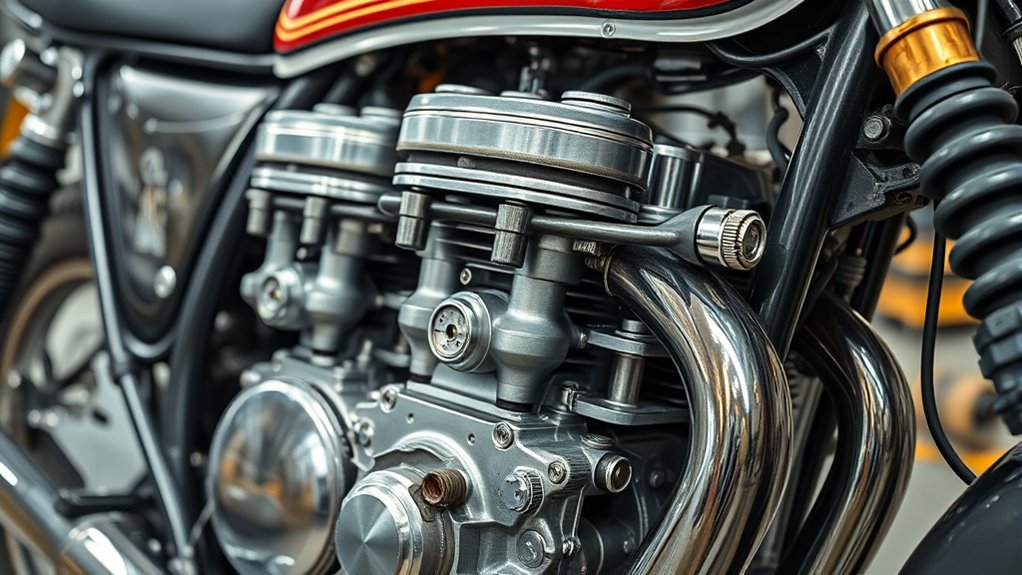
Restoring a Suzuki GS motorcycle’s engine and mechanical components requires a thorough overhaul, often starting with a complete strip-down due to age-related wear and corrosion. You’ll need to carefully disassemble the engine, inspecting parts for damage or excessive wear. A valve adjustment is critical; for GS series, a “Screw and Locknut” procedure ensures proper clearance. Rebuilding the cylinder head and performing minor porting can boost performance and reliability. Cam degreeing restores accurate valve timing, which is essential for smooth operation. During this process, you might find transmission gear sets worn or damaged, requiring repair or replacement. This meticulous approach guarantees that the engine runs efficiently, lays a solid foundation for the rest of your restoration, and ensures long-term dependability. Incorporating sustainable practices during restoration can further enhance the longevity and environmental friendliness of your project. Additionally, paying attention to color accuracy in the engine’s components, such as paint or coatings, can help prevent corrosion and maintain a pristine appearance over time. Consulting historical specifications can also help ensure that your rebuild aligns with the original design and performance standards.

GLAoHZNJ Mid Frame Rail Rust Repair Kit Compatible with Automotive Motorcycle Parts, Super Crew 4 Doors 2004 2005 2006 2007 2008
Fits 2004 to 2008 , Super Crew models with 4 doors compatibility across multiple model years
As an affiliate, we earn on qualifying purchases.
As an affiliate, we earn on qualifying purchases.
Restoring the Electrical System for Reliability
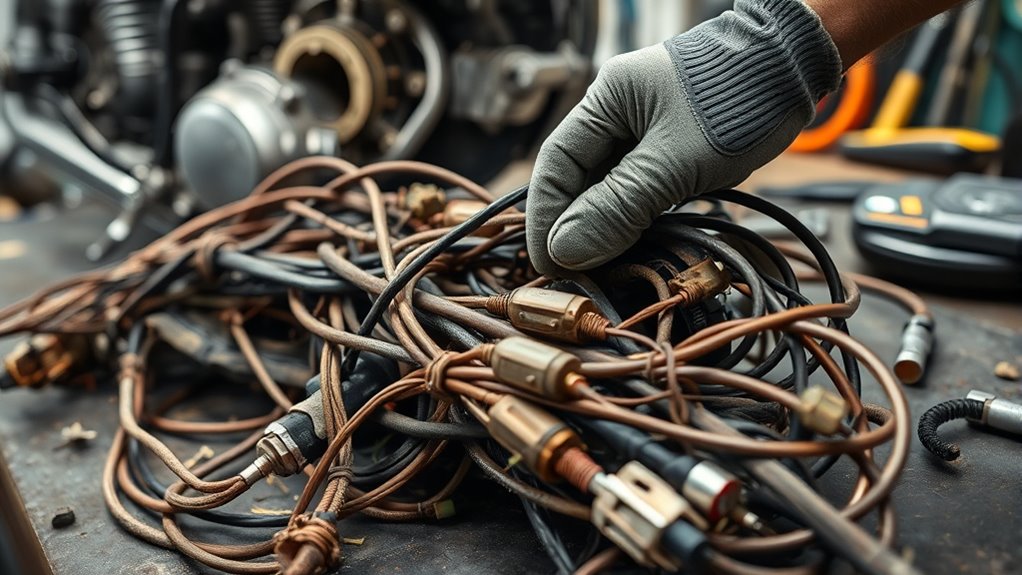
To guarantee your Suzuki GS motorcycle runs reliably, you need to address its electrical system thoroughly. Start by inspecting and replacing worn wiring harnesses to prevent shorts and ensure solid connections. Test the stator, rectifier, and regulator to confirm they produce proper voltage and replace them if necessary. Check the ignition coil, points gap, and timing—especially on pre-electronic ignition models—to ensure efficient spark delivery. Restore or upgrade the battery and charging system to maintain consistent power. Replace aging switches, bulbs, and connectors to improve reliability and safety. Consider upgrading to a modern electronic ignition system for reduced maintenance and better performance. Additionally, integrating electrical system diagnostics concepts can inspire innovative solutions for diagnosing and monitoring electrical health remotely. Regularly monitoring electrical health can help prevent unexpected failures and extend the life of your motorcycle’s electrical components. Implementing preventive maintenance strategies ensures early detection of potential issues before they lead to breakdowns. Using diagnostic tools to analyze electrical issues can further streamline troubleshooting processes. By methodically refurbishing each component, you’ll restore electrical integrity, leading to dependable starts and smooth running.

JAVIK Wiring Wire Harness for Suzuki QuadSport 80 LT80 1996-2006 O.E.M# 36610-40B20
Fitment: Fit For Suzuki ATV As Following: 1996-2001 QuadSport 80 LT80(Only For MODEL Y/K1 Edition); 2002-2006 QuadSport 80…
As an affiliate, we earn on qualifying purchases.
As an affiliate, we earn on qualifying purchases.
Addressing Frame, Suspension, and Steering Wear
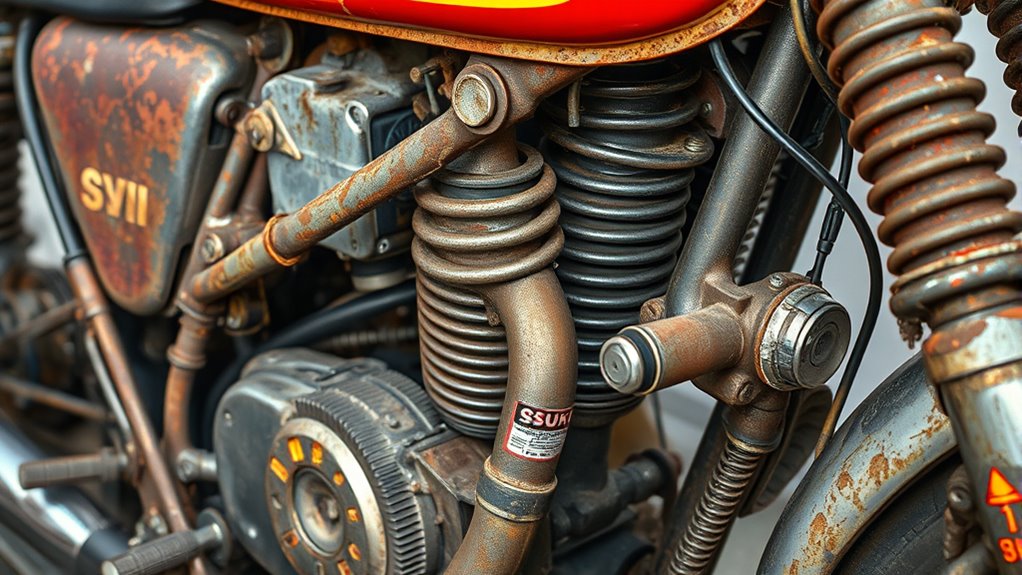
Over time, frame, suspension, and steering components on your Suzuki GS can develop wear, rust, and corrosion that compromise handling and safety. Begin by inspecting the frame thoroughly for cracks, rust, or structural weaknesses, addressing any issues immediately. Replace worn or leaking fork seals to prevent oil loss and ensure smooth fork operation. Check steering stem bearings for play or roughness; replace or service them to maintain precise steering. Suspension bushings and linkages should be inspected and re-greased or replaced if worn. If the frame is heavily corroded, consider treatment options like rust removal and protective coating or frame replacement for safety. Properly maintained suspension and steering components are essential for reliable handling and rider confidence. Additionally, understanding and managing risks and rewards of motorcycle restoration can help ensure a successful rebuild. Regular inspection and preventive maintenance are key to extending component life and ensuring your bike remains safe on the road. Maintaining proper corrosion protection is crucial for long-term durability and safety in motorcycle restoration. Incorporating preventive maintenance strategies can significantly reduce the likelihood of future issues and prolong the lifespan of critical parts.

260mm Adjustable Motorcycle Rear Shock Absorber Suspension – PSLER 10.2" Shock 1000LBS for Dirt Pit Bike for Pw80 Apollo Stomp WPB M2R Lucky 50cc 70cc 90cc 110cc 125cc 150cc Ssr 125 Crf50
FITMENT: Motorcycle rear shock absorber fit for most dirt bike like CRF50 XR70 SDG SSR 107 125 and…
As an affiliate, we earn on qualifying purchases.
As an affiliate, we earn on qualifying purchases.
Upgrading and Maintaining the Brake System
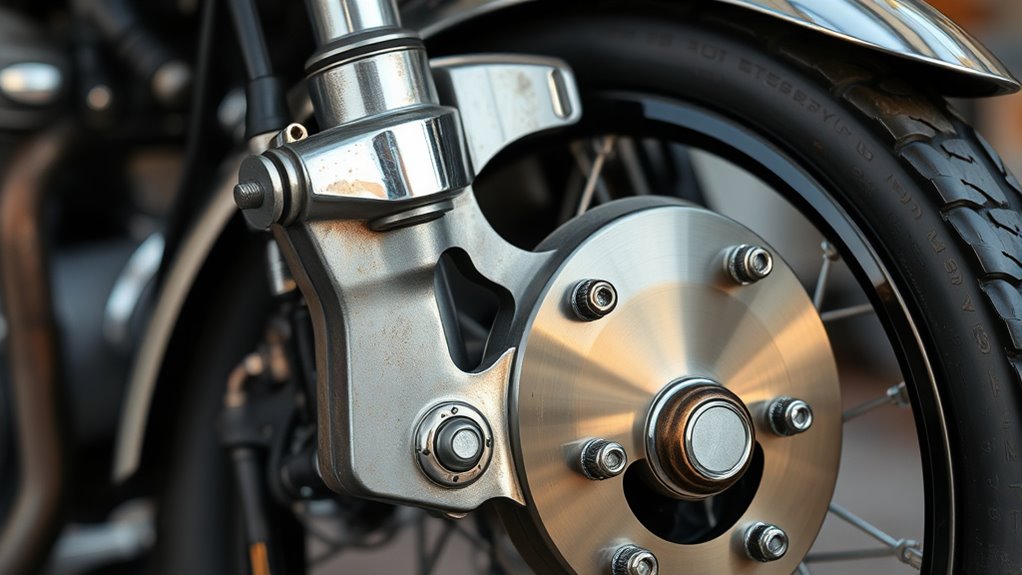
Upgrading and maintaining the brake system is essential for ensuring safe and reliable stopping power on your Suzuki GS. Properly functioning brakes prevent accidents and improve overall riding confidence. Start by inspecting brake pads and shoes; replace them if they’re worn or cracked. Flushing and bleeding brake fluid removes air and old fluid, maintaining hydraulic efficiency. Check brake lines for cracks or leaks, replacing any that show signs of deterioration. Consider upgrading your front calipers or discs to boost braking performance, especially if your bike’s stopping power feels inadequate. Regularly service drum brake shoes, ensuring they’re correctly adjusted and free of contamination. Incorporating proper maintenance techniques enhances overall safety and prolongs component lifespan, ensuring effective braking and safety during every ride. Additionally, staying aware of brake system deterioration helps you identify issues early and prevent potential failures. Regular inspections and quality replacement parts are vital for maintaining optimal braking performance and rider safety. Being aware of brake pad wear can help you plan timely replacements before performance declines. Monitoring brake fluid condition is also crucial, as degraded fluid can significantly impact braking efficiency and safety.
Rebuilding and Tuning the Fuel and Carburation Setup
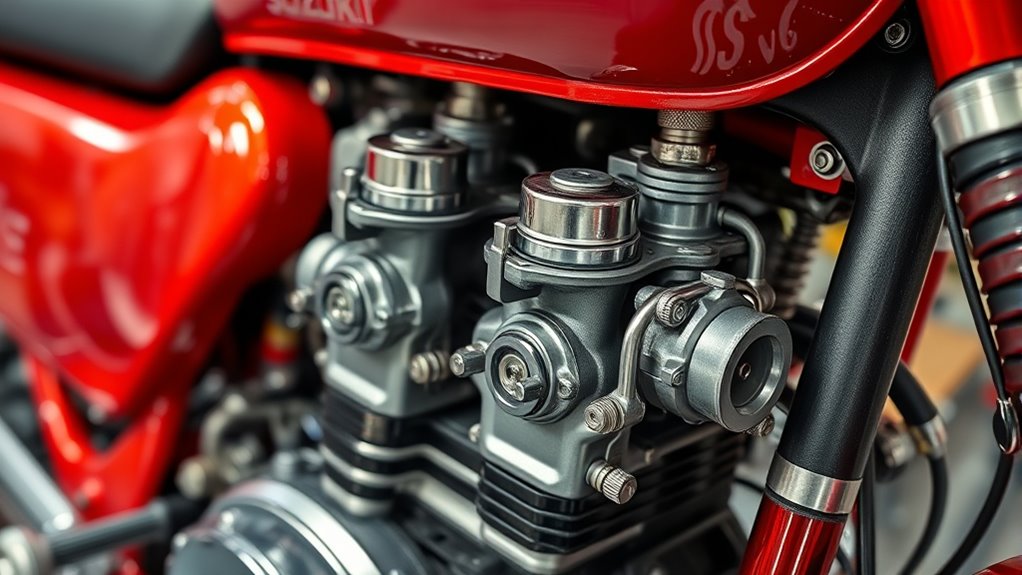
Rebuilding and tuning the fuel and carburation setup is vital for restoring smooth engine performance and reliability. You’ll want to thoroughly clean the carburetors, replacing worn gaskets and jets. Next, synchronize the carbs to guarantee even airflow, preventing uneven running or stalling. Check the float levels and adjust them for proper fuel delivery. Replace old fuel lines and petcocks to prevent leaks and clogs. Upgrading air filters can improve airflow and engine efficiency. Proper mixture settings are essential for peak starting, idling, and power. Use the following table to guide your adjustments:
| Step | Focus Area |
|---|---|
| Clean and rebuild carbs | Remove dirt and deposits |
| Synchronize carbs | Balance airflow between cylinders |
| Adjust mixture and floats | Fine-tune fuel delivery |
Ensuring all components are properly maintained helps maintain motorcycle performance and prevent future issues.
Restoring Bodywork, Paint, and Aesthetic Details
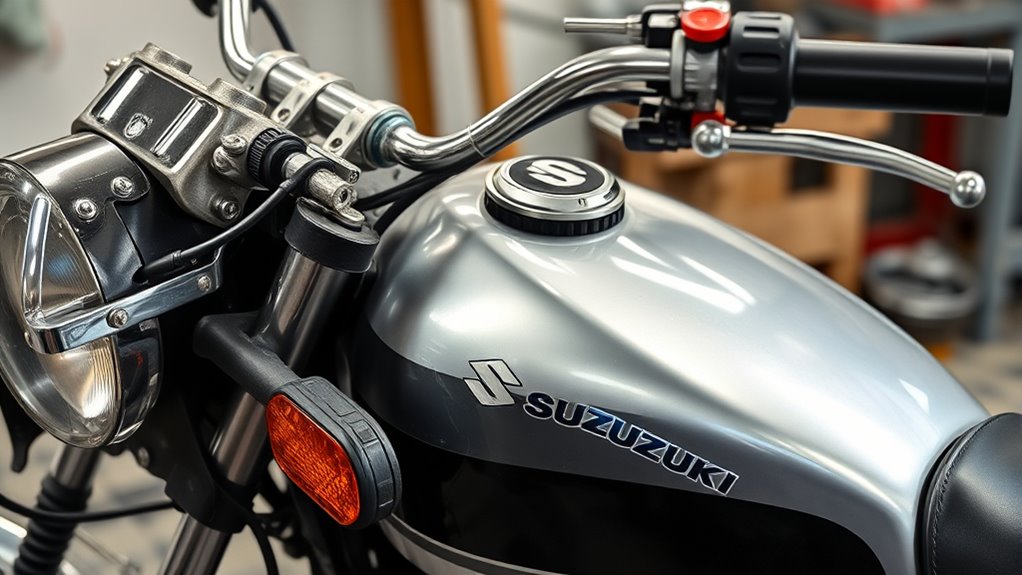
Restoring your bike’s bodywork and paint brings back its vintage charm, but it requires careful techniques like sanding, priming, and precise color matching. Polishing chrome and metal parts can transform dull surfaces into gleaming accents that enhance overall aesthetics. Reapplying decals and badges restores authenticity, giving your motorcycle a polished, finished look.
Paint Restoration Techniques
Achieving a flawless finish on your Suzuki GS requires careful attention to paint restoration techniques that restore both appearance and protection. Start by thoroughly cleaning the surface to remove dirt, grease, and old wax. Sand the area gently with fine-grit paper to smooth imperfections and prep for new paint. Use a high-quality primer to ensure proper adhesion and even color. Apply the paint in thin, even coats, allowing each layer to dry completely before the next. Finish with a clear coat to add gloss and protection against UV rays and corrosion.
- Clean and prep the surface meticulously
- Sand to smooth and remove rust
- Use primer for adhesion and color uniformity
- Apply thin, even coats of paint
- Seal with a clear protective topcoat
Chrome and Metal Polishing
Polishing chrome and metal parts is essential for restoring your Suzuki GS’s classic look and preventing corrosion. Start by cleaning the surfaces with a gentle degreaser and a soft cloth. Use a metal polish designed for chrome and alloy finishes—apply it with a microfiber cloth, then buff to a shine. For stubborn tarnish, a fine abrasive pad or aluminum foil dipped in water can help. Regular maintenance keeps the metal bright and corrosion-free. Incorporating proper metal maintenance techniques can extend the lifespan and appearance of your motorcycle’s metal components. To achieve optimal results, consider learning about metal finishing methods to enhance your restoration process. Additionally, researching reliable precious metals dealer reviews can help you select quality products for polishing and preservation. Utilizing protective coatings can also provide an extra layer of defense against future corrosion and environmental damage. Understanding metal corrosion causes can further help in implementing effective prevention strategies.
Decals and Badge Reapplication
When reapplying decals and badges to your Suzuki GS, careful surface preparation is crucial to guarantee they adhere properly and look authentic. Start by thoroughly cleaning the area with a gentle solvent to remove dirt, grease, and old adhesive residues. Lightly sand the surface with fine-grit paper to create a smooth, matte finish that helps the decal stick. Use masking tape to position decals accurately before peeling off backing paper. Apply decals slowly, smoothing out air bubbles with a soft squeegee or cloth. Seal the edges with a clear coat or lacquer for extra durability and to prevent peeling. Proper surface preparation ensures the decals adhere securely and maintain their appearance over time. Additionally, inspecting the surface for any imperfections and addressing them beforehand can significantly improve the final look and longevity of the decals.
Navigating Challenges in Authenticity and Part Sourcing
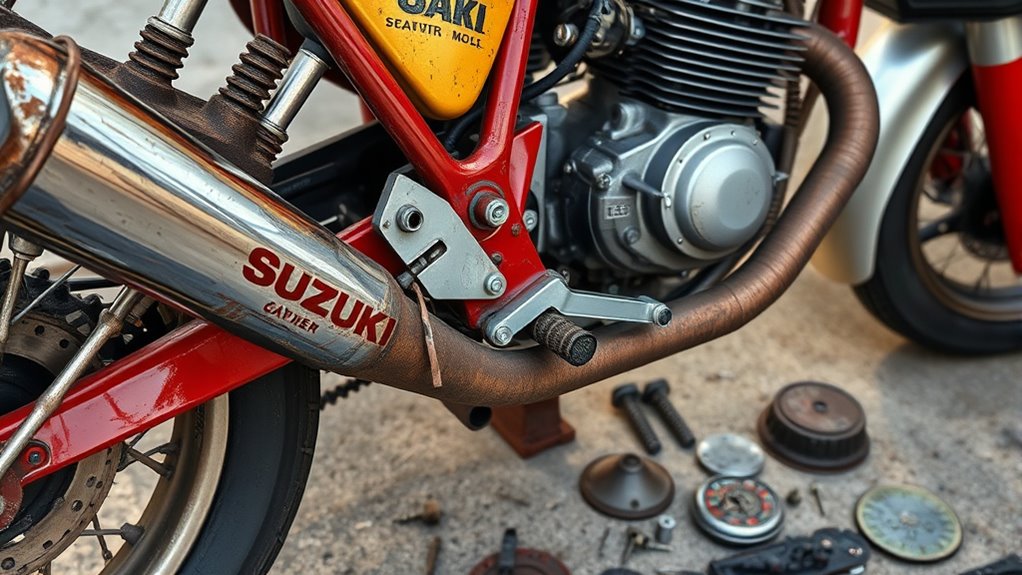
Finding authentic OEM parts can be challenging, especially as many become scarce or expensive. You need to decide whether to prioritize original components or consider aftermarket options that offer better availability. Balancing restoration costs with authenticity requires careful research and sometimes tough compromises.
Finding Authentic OEM Parts
Locating authentic OEM parts for your Suzuki GS motorcycle can be a challenging process, especially as many components become scarce or discontinued over time. You might face difficulties finding original pieces that fit perfectly and maintain the bike’s vintage integrity. To improve your chances:
- Search through Suzuki’s official parts catalog or dealership networks
- Join online forums and communities dedicated to GS restorations
- Explore vintage motorcycle parts suppliers and salvage yards
- Consider aftermarket parts only if they meet OEM standards
- Keep an eye on auction sites and collector shops for rare finds
Being persistent and well-informed increases your success. Verify the authenticity of parts before purchase to avoid counterfeit or incompatible components. Restoring with genuine OEM parts ensures your bike remains true to its original specs and value.
Balancing Restoration Cost
Balancing restoration costs on a Suzuki GS requires careful planning, especially as genuine OEM parts become scarce and prices rise. You’ll need to prioritize which components to restore first, focusing on critical mechanical and safety parts. Consider the value of original parts versus aftermarket alternatives; sometimes, authentic OEM parts maintain authenticity but come at a premium. You may find that sourcing parts from online marketplaces, salvage yards, or motorcycle clubs can reduce expenses. Budgeting for unexpected repairs is essential, as age-related corrosion and wear often reveal hidden issues. Striking a balance between maintaining originality and managing costs ensures your restoration remains financially feasible without sacrificing the motorcycle’s vintage appeal or safety standards. Proper planning ultimately helps you achieve a high-quality restoration within your budget.
Repairing With Aftermarket Options
When restoring a Suzuki GS, using aftermarket parts can be a practical way to save money and reduce wait times, but it also presents challenges in maintaining authenticity. You need to carefully evaluate quality, fit, and appearance to ensure aftermarket components don’t compromise the bike’s vintage look or performance. It’s easy to be lured by cheaper options, but sometimes they lack durability or proper specifications.
- Verify the manufacturer’s reputation before purchasing.
- Check for compatibility with your specific GS model.
- Consider the material quality and finish.
- Be prepared to modify parts for proper fit.
- Keep original parts for future resale or restoration authenticity.
Frequently Asked Questions
What Are the Most Common Engine Issues in Vintage GS Motorcycles?
You’ll likely face engine issues like wear and corrosion from age, which can cause poor performance or starting problems. Valve adjustments are essential, especially with screw and locknut types. Over time, components like piston rings, bearings, and gaskets wear out, leading to oil leaks or power loss. Carburetors may clog, and timing can drift, affecting smooth operation. Regular engine rebuilds and precise tuning help keep your vintage GS running reliably.
How Can I Identify Faulty Wiring in an Old Electrical System?
When troubleshooting faulty wiring, don’t just rely on a hunch—test each connection systematically. Start by inspecting wires for visible damage, corrosion, or fraying. Use a multimeter to check continuity and voltage at key points, especially around switches and connectors. Look out for loose or burnt connections; they’re often the weak link. If something seems off, it’s time to roll up your sleeves and get to the root of the problem.
What Suspension Components Are Most Prone to Wear and Failure?
You’ll find that fork seals are most prone to leaks and need replacing regularly. Steering stem bearings wear out over time, affecting handling and requiring servicing or replacement. Suspension bushings and linkages also degrade, leading to less smooth rides. Keep an eye on these components, especially if you notice handling issues or leaks, and replace or refurbish them promptly to maintain your motorcycle’s safety and performance.
Which Brake Upgrades Offer the Best Performance Improvements?
Upgrading your brakes transforms your ride from sluggish to lightning-fast! Installing high-performance stainless steel braided lines drastically improves brake feel and reduces fade, making stops sharper and more predictable. Upgrading to larger rotors and high-friction pads boosts stopping power exponentially, giving you confidence in any situation. Consider modern calipers for even more bite. These upgrades make your GS stop on a dime, turning every ride into a confident, exhilarating experience.
How Do I Find Authentic Parts for Rare GS Series Models?
To find authentic parts for rare GS series models, you should start by joining online forums and owner groups dedicated to vintage Suzuki motorcycles. Attend vintage motorcycle shows and swap meets to network with collectors and vendors. Check reputable vintage parts dealers and specialized salvage yards. Don’t forget to explore online marketplaces like eBay, where authentic OEM parts often appear. Always verify part authenticity and compatibility before purchasing to guarantee quality restoration.
Conclusion
As you near the finish line, every restored bolt and polished surface whispers stories of resilience. The engine hums to life, the paint gleams under sunlight, and the ride promises a journey back in time—yet, a final challenge lurks in the shadows. Will you find that rare part to complete your masterpiece? With each step, you feel the thrill of revival building, ready to release this resurrected Suzuki GS series motorcycle into its next adventure.