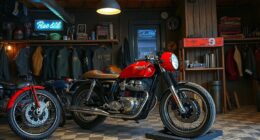
Balancing preservation and riding your classic bike depends on your priorities. If you want to keep its original charm and value, preservation is key, but it may limit daily use. On the other hand, if reliability and performance matter more, restoring parts for riding can enhance safety and comfort. To find the right approach, consider whether your focus is on maintaining history or enjoying it regularly. For more insights, keep exploring how other enthusiasts handle this common dilemma.
Key Takeaways
- Collectors prioritize preservation to maintain authenticity and historical value, while riders often favor restoration for daily performance.
- Preservation emphasizes minimal alterations, whereas riding necessitates upgrades for safety and reliability.
- Restoring a bike can increase market value but may diminish its original character; preservation retains sentimental worth.
- Balancing restoration and preservation allows riders to enjoy their vintage bikes safely without compromising their legacy.
- The decision reflects personal priorities: valuing historical integrity or daily usability and performance.
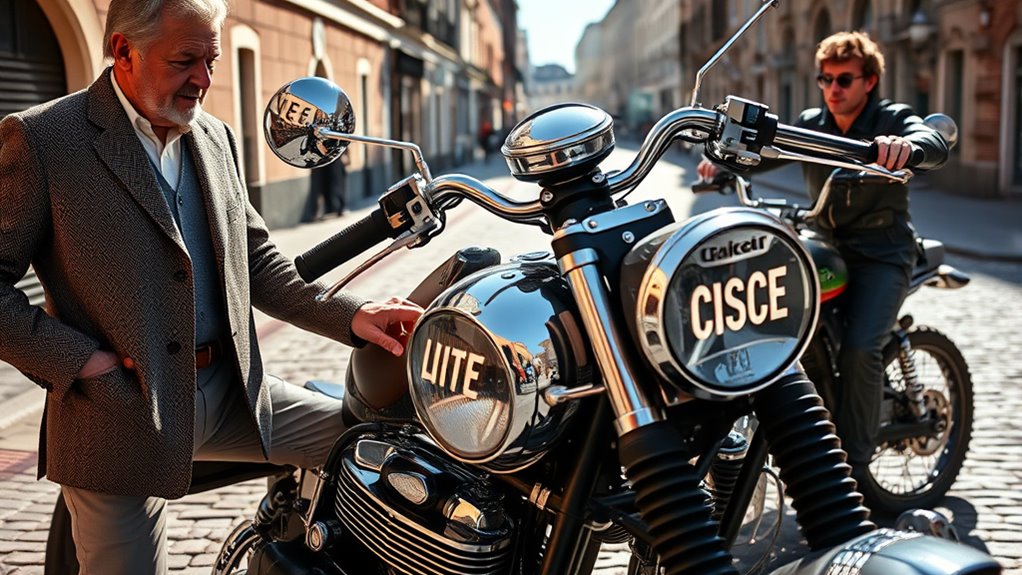
In the world of motorcycles and collectibles, the tension between the collector and the rider often sparks lively debates. You find yourself at a crossroads, wondering whether to restore a vintage bike to its original glory or preserve its current state, embracing its history without unnecessary overhaul. Restoration involves bringing the bike back to a factory-new condition, often requiring parts replacements, repainting, and sometimes even modifying components to improve performance or appearance. Preservation, on the other hand, emphasizes maintaining the bike’s authenticity, keeping it as close to its original form as possible without extensive repairs or alterations. When it comes to daily use, this choice becomes even more critical. If you aim to ride the bike regularly, restoration might seem appealing because it ensures reliability and performance, making your rides smooth and worry-free. However, this approach can sometimes compromise the bike’s originality, especially if parts are replaced with modern equivalents. Conversely, preserving a vintage motorcycle for daily use means accepting that it may not perform as flawlessly as a modern bike, but it retains its historical integrity and unique character.
You must consider what matters most: the bike’s value as a collectible or your personal enjoyment as a rider. Restoration can increase a bike’s market value, especially if done professionally, but it also risks diminishing its originality and sentimental worth. Preservation keeps the bike’s story intact, making it a true piece of history, yet it might require more careful maintenance and cautious riding. If you want to enjoy your motorcycle every day without sacrificing its authenticity, you might lean toward preservation and gentle use, accepting that some wear and tear are part of its charm. However, if your goal is to have a reliable ride that can handle daily commutes or long trips, restoration might be the better path, provided you’re willing to update certain parts for safety and performance.
Additionally, understanding the net worth of famous enthusiasts or collectors can influence how you approach restoration versus preservation, as investment strategies vary based on the bike’s potential value. Ultimately, your decision hinges on your priorities. Do you value the bike’s history and originality above all else? Or do you see it as a machine to be enjoyed and ridden regularly? Striking a balance is key—perhaps restoring critical components for safe daily use while preserving the bike’s vintage look and feel. This way, you get the best of both worlds: a dependable ride that still respects its legacy. Whichever route you choose, the debate between restoration and preservation, especially concerning daily use, remains a deeply personal decision rooted in how you connect with your motorcycle’s story and purpose.
Frequently Asked Questions
How Does Climate Affect the Preservation of Vintage Bikes?
Climate impact plays a significant role in vintage bike preservation, as humidity, temperature fluctuations, and exposure to sunlight cause corrosion and deterioration. You face preservation challenges like rust, paint fading, and rubber aging, which climate conditions exacerbate. To protect your classic, you need to control storage environments, use protective coatings, and regularly maintain it. Ignoring climate effects can lead to irreversible damage, making preservation much harder over time.
What Are the Financial Benefits of Collecting Versus Riding?
You save money by riding your vintage bike, as insurance premiums and maintenance costs are typically lower than those for a collector’s investment. When you ride, you avoid the depreciation that comes with keeping the bike untouched. Plus, the joy of riding can boost your mental well-being, adding intangible value. However, if you choose to collect, you might see appreciation over time, making it a potential financial gain.
Can a Bike Be Both a Collector’s Item and a Daily Rider?
Yes, you can have a bike that’s both a collector’s item and a daily rider. However, you’ll face restoration challenges to maintain its aesthetic appeal and guarantee reliability. Regular use may cause wear, so you need to balance riding with careful upkeep. By doing so, you preserve its value while enjoying your bike daily, making it a functional piece of your collection without sacrificing its charm.
What Safety Concerns Exist for Vintage Bike Riders?
Safety concerns for vintage bike riders include helmet safety and brake maintenance. You should always wear a properly fitting helmet to protect your head in case of a fall. Regularly check and maintain your brakes to ensure reliable stopping power. Vintage bikes may lack modern safety features, so staying vigilant and proactive with safety measures helps prevent accidents and keeps your ride secure and smooth.
How Do Legal Regulations Impact Classic Bike Preservation and Use?
Legal regulations critically impact how you preserve and ride your classic bike. You need to take into account insurance implications, which can be higher for vintage bikes, and make certain you meet licensing requirements, such as special permits or registration for historic vehicles. Staying compliant helps protect your investment and keeps you legal on the road. Always check local laws to understand how regulations influence your ability to preserve or enjoy your classic motorcycle responsibly.
Conclusion
Ultimately, whether you choose to preserve or ride your classic, remember it’s like tending a rare garden—you can admire its beauty or watch it flourish through use. I once met a vintage bike owner who kept his bike locked away for decades, only to realize that its true charm was in the stories it could tell on the open road. So, weigh your passion: sometimes, the best way to honor a classic is to let it live and breathe with you.