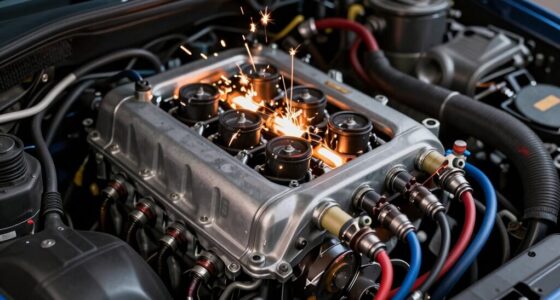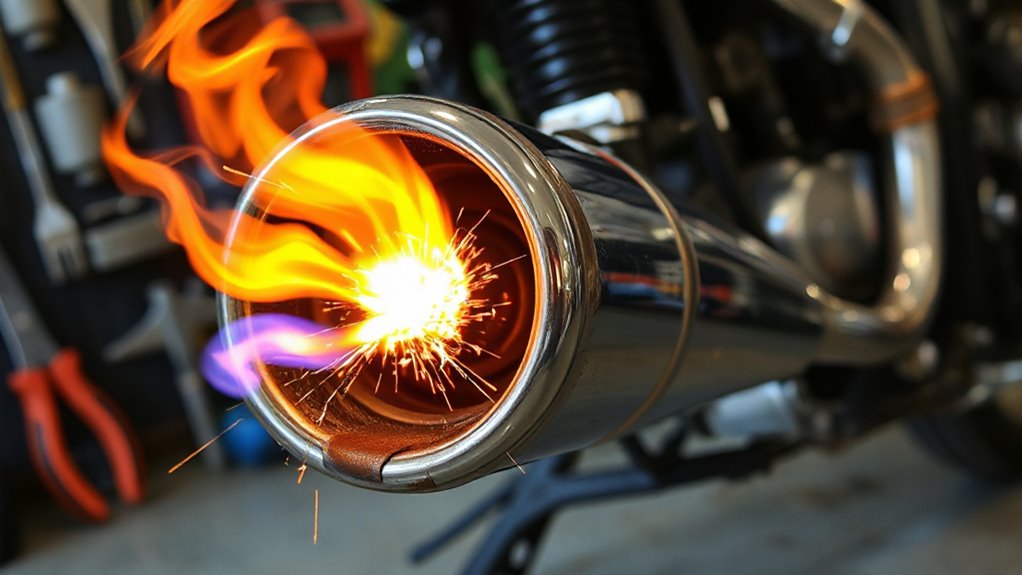
If you hear backfires or popping from your exhaust, it’s likely due to carburetion or ignition issues. Common causes include fouled spark plugs, incorrect ignition timing, or an improper fuel mixture—either too lean or too rich. These problems cause unburned fuel to ignite in the exhaust or misfire, creating loud noises. To fix this, check and adjust your spark plugs, carburetor, and timing. Keep going for more tips on diagnosing and solving these issues effectively.
Key Takeaways
- Check spark plugs for fouling or damage that can cause misfiring and unburned fuel in the exhaust.
- Verify ignition timing is correctly set to prevent early or late ignition that leads to backfires.
- Inspect and tune the carburetor to ensure proper air-fuel mixture and prevent lean or rich conditions.
- Look for signs of unburned fuel igniting in the exhaust, indicating mixture or ignition timing issues.
- Regularly maintain and clean carburetor and spark plugs to keep engine running smoothly and reduce backfire risk.
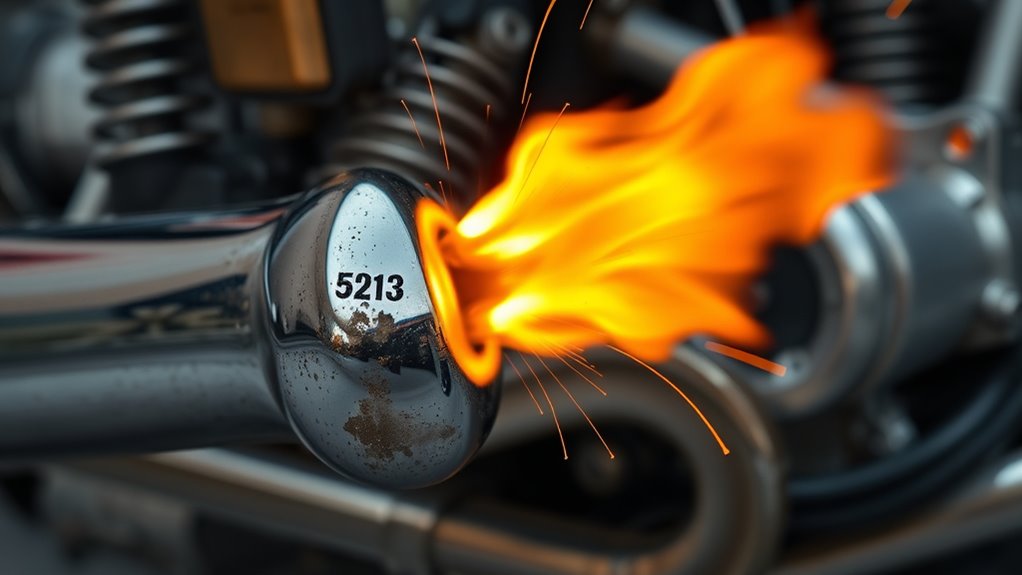
If your engine isn’t running smoothly, exhaust and carburetion issues are often to blame. You might notice backfires or popping sounds coming from the exhaust, which can be both annoying and a sign of underlying problems. One common cause is spark plug fouling, where deposits build up on the spark plugs, disrupting the ignition process. When spark plugs are fouled, they fail to produce a strong, consistent spark, leading to misfires that can cause unburned fuel to ignite suddenly in the exhaust, creating those loud backfires. Regularly inspecting and replacing spark plugs can prevent fouling and keep your engine firing correctly. Additionally, high-performance projectors can improve engine diagnostics with advanced visual tools, making maintenance easier. Timing issues are another significant factor behind backfires and popping sounds. If the ignition timing is off—either too advanced or too retarded—the spark fires at the wrong moment in the combustion cycle. When timing is too advanced, the spark ignites the fuel mixture too early, causing the combustion to push against the piston as it’s moving up, which can result in a loud backfire. Conversely, if the timing is too retarded, the combustion occurs late, leading to incomplete burning and unburned fuel in the exhaust system. This unburned fuel can ignite upon contact with the hot exhaust gases, causing popping sounds. Adjusting the timing to the manufacturer’s specifications guarantees the spark ignites at the right time, reducing these issues. Beyond spark plugs and timing, improper carburetion can also cause backfires and popping. If the carburetor isn’t properly tuned, the air-fuel mixture may be too lean or too rich. A lean mixture—more air than fuel—can cause the engine to run hot and produce backfires because the mixture ignites prematurely in the exhaust. On the other hand, a rich mixture—more fuel than air—can leave unburned fuel in the exhaust, which ignites and causes popping sounds. Regularly checking and adjusting the carburetor’s settings, or cleaning it if it’s dirty, can help maintain the proper mixture and prevent these sounds.

TecoTek 11-Piece Spark Plug Socket Set with 3/8" Drive Ratchet Handle, Spark Plug Gapper, Universal Joint and Extension Bar, 5/8", 3/4", 13/16", 14mm, 18mm, CR-V Sockets with Rubber Retaining Rings
✅【Size Include】6pt spark plug socket 5/8-Inch, 3/4-Inch, 13/16-Inch, 14mm, 18mm, 3/8 Inch drive ratchet handle, spark plug gapper,…
As an affiliate, we earn on qualifying purchases.
As an affiliate, we earn on qualifying purchases.
Frequently Asked Questions
Can Improper Spark Timing Cause Backfires During Acceleration?
Yes, improper spark timing can cause backfires during acceleration. If your spark plug gaps are too wide or your ignition coil isn’t delivering a strong spark, the timing gets off. This causes unburned fuel to ignite in the exhaust, leading to backfires. Check your spark plug gaps and verify your ignition coil is functioning properly. Correcting these issues can improve timing and prevent backfires during acceleration.
How Does Altitude Affect Carburetor Tuning and Backfire Issues?
Ever wonder how altitude impacts your carburetor tuning? Higher elevations reduce air density, making your engine run leaner. You need to perform altitude adjustments and recalibrate your carburetor to prevent backfire issues. Proper carburetor calibration ensures the air-fuel mixture remains ideal, avoiding misfires and popping sounds. Without these adjustments, your engine struggles to perform smoothly, especially during acceleration, leading to frustrating backfires caused by improper fuel mixture at different altitudes.
Are Aftermarket Exhaust Systems More Prone to Causing Popping Sounds?
Yes, aftermarket exhausts can be more prone to causing popping sounds. These systems often change the exhaust flow and tone, which can lead to unburned fuel igniting in the muffler or exhaust pipe, creating that distinctive popping noise. If you notice increased popping, it’s likely due to the modifications affecting the engine’s tuning or airflow. Adjusting carburetion or installing a proper tune can help reduce this issue.
What Role Does Fuel Octane Level Play in Exhaust Backfire Problems?
A low octane fuel can cause exhaust backfire issues, as it’s more prone to knocking and pre-ignition. You should check your ignition timing, adjust it if needed, and consider using fuel additives designed to improve combustion. Higher octane fuels resist knocking better, helping prevent backfires, while proper ignition timing ensures fuel burns correctly. Using the right octane and maintaining your ignition system maintains your engine running smoothly without backfire problems.
Can a Clogged Air Filter Lead to Carburetion-Related Backfires?
A clogged air filter can definitely lead to carburetion-related backfires. When the air filter gets blocked, it restricts airflow to the carburetor, causing it to clog and disrupt the proper fuel-air mixture. This imbalance can cause unburned fuel to ignite in the exhaust, resulting in backfires and popping sounds. Regularly checking and replacing your air filter helps prevent carburetor clogging and keeps your engine running smoothly.
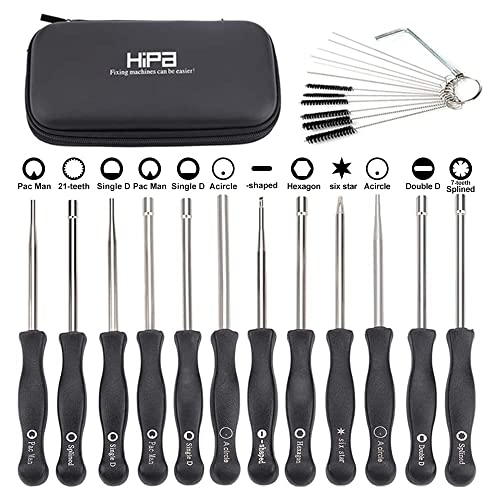
HIPA Pack-of-12 Carburetor Adjustment Tool Carburator Adjusting Kit for 2-Cycle Small Engine for Poulan Husqvarna STHIL ECHO Trimmer Weedeater Chainsaw
Carburetor adjustment tool kit, fits for ZAMA, STHIL, Husqvarna, Poulan, Weedeater, Echo, Homelite, Ryobi, MTD, Troy-Bilt,Toro, Sears, Ruixing,…
As an affiliate, we earn on qualifying purchases.
As an affiliate, we earn on qualifying purchases.
Conclusion
When exhaust backfires and pops, it’s a sign to check your carburetion and exhaust system. When your engine stalls or runs rough, it’s time to inspect your carburetor and exhaust components. When you notice unusual sounds or performance dips, it’s a cue to diagnose and address those issues. By understanding these signs, by paying attention to your engine, by staying proactive, you keep your ride running smoothly and avoid costly repairs.
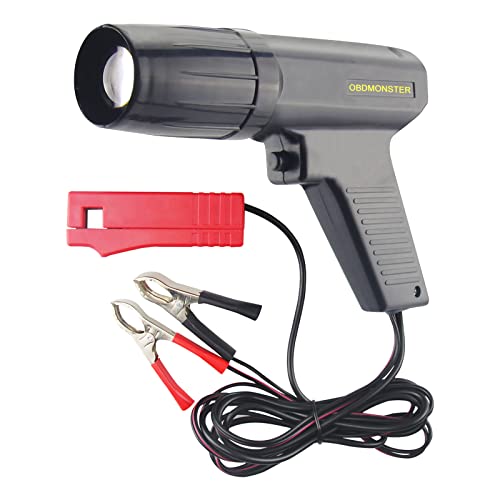
Automotive Timing Light 12V, Inductive Ignition Timing Light Gun for 2&4 Stroke Petrol Engine for Old Classical Car Motorcycle
Ignition Timing Light: Design to re-timing your car's ignition to get the best performance that you can. Suitable…
As an affiliate, we earn on qualifying purchases.
As an affiliate, we earn on qualifying purchases.

ANCEL AD310 Classic Enhanced Universal OBD II Scanner Car Engine Fault Code Reader CAN Diagnostic Scan Tool, Read and Clear Error Codes for 1996 or Newer OBD2 Protocol Vehicle (Black)
CEL Doctor: The ANCEL AD310 is one of the best-selling OBD II scanners on the market and is…
As an affiliate, we earn on qualifying purchases.
As an affiliate, we earn on qualifying purchases.