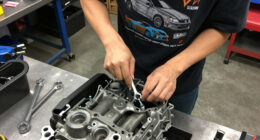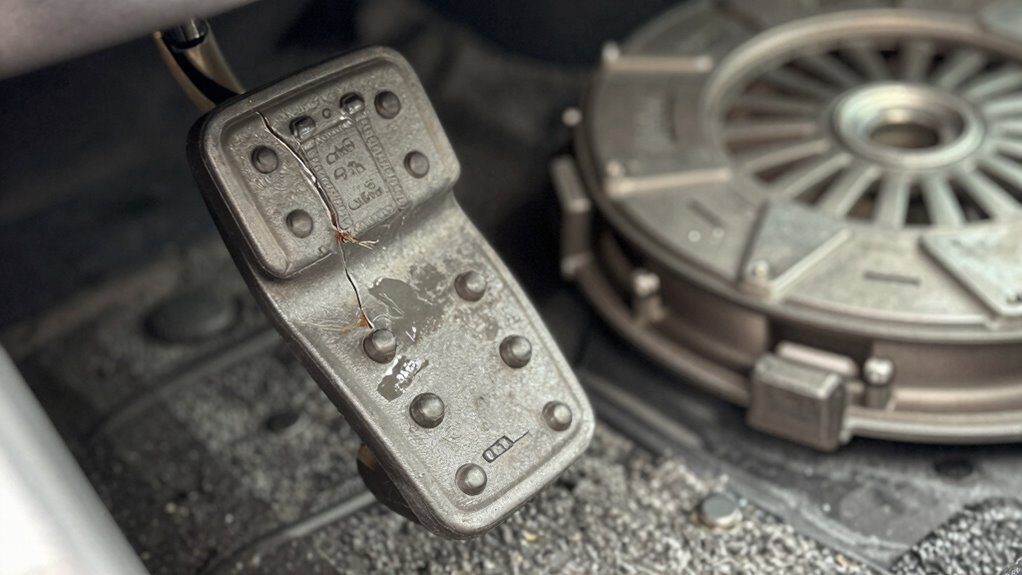

To decide if you need a clutch upgrade, look for signs like slipping during acceleration, difficulty shifting, or a burning smell. Notice if your clutch pedal feels softer or takes longer to engage, or if shifting becomes less responsive. Consider your driving habits — aggressive driving or towing heavy loads can cause faster wear. If these issues persist despite routine driving, upgrading to better materials might be beneficial. Keep exploring to learn more on choosing the right upgrade.
Open a free Amazon Business account
Business pricing, bulk buying and tax-exempt orders.
As an affiliate, we earn on qualifying purchases.
Key Takeaways
- Observe signs like slipping, delayed engagement, or difficulty shifting gears, indicating clutch wear or need for upgrade.
- Consider your driving habits—aggressive driving or heavy loads increase the need for a higher-performance clutch.
- Evaluate if the clutch pedal feels softer or if slipping persists despite conservative driving.
- Assess the clutch material suited for your driving conditions; high-performance needs may require ceramic or metallic options.
- Consult a mechanic to inspect clutch components and recommend whether an upgrade is necessary for durability and performance.
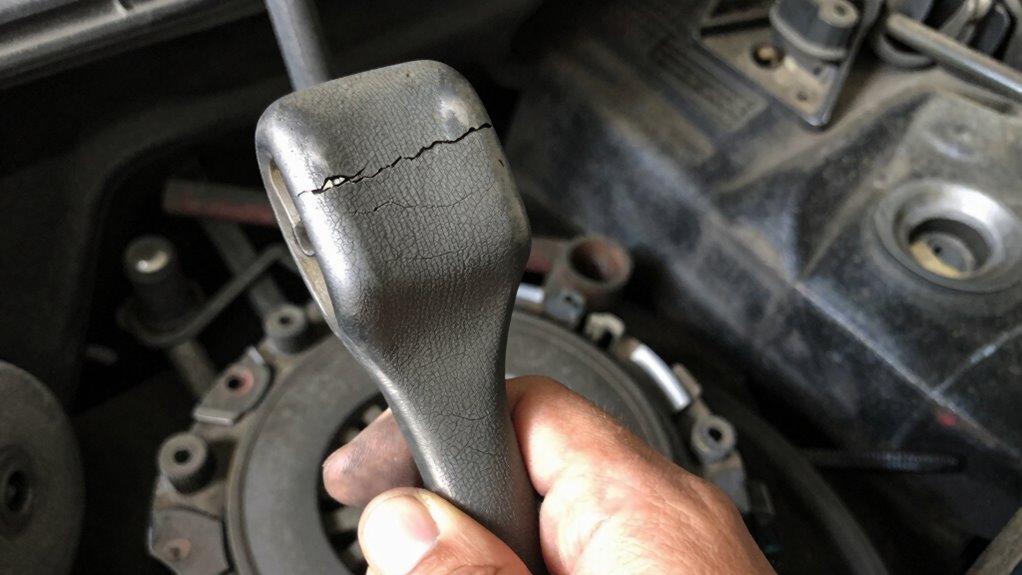
Wondering if it’s time to upgrade your clutch? If you’ve been noticing slipping, difficulty shifting, or a burning smell when you press the pedal, these signs could point to a worn-out clutch. The decision to replace or upgrade hinges on understanding how your clutch material and driving habits impact its lifespan. Clutch material varies widely—from organic compounds to ceramic or metallic mixes—and each type responds differently based on how you drive. If you tend to drive aggressively, frequently shift gears at high RPMs, or tow heavy loads, your clutch endures more stress, accelerating wear. Conversely, if your driving style is smooth and conservative, your clutch might last longer, but it still wears out over time. Recognizing these factors helps you anticipate when an upgrade might be necessary. Additionally, understanding the clutch material’s durability can help you select the best option for your driving needs.
Your driving habits directly influence clutch longevity. If you often ride the clutch pedal, slip it during starts, or shift roughly, you’re putting extra strain on the clutch components. Over time, this causes the clutch disc to thin out, the pressure plate to weaken, and the overall system to become less responsive. If you notice that the clutch pedal feels softer or that it takes longer for your vehicle to engage when you shift, those are signs you might need an upgrade. On the other hand, if you’ve been conservative with your driving but still experience slipping or difficulty shifting, the issue might relate to the clutch material. Some clutch materials are more durable and better suited for high-performance or heavy-duty driving, while others are designed for daily commuting and may wear out faster under extreme conditions. Proper clutch maintenance can also extend its lifespan and prevent costly repairs.
Choosing the right clutch material for your vehicle can extend its lifespan and improve your driving experience. Deciding whether to upgrade your clutch involves evaluating both your driving habits and the material used in your current setup. If you’re a spirited driver or regularly tow heavy loads, upgrading to a higher-quality clutch material, like ceramic or metallic, can improve performance and durability. These materials handle heat better and resist wear more effectively than organic options. Understanding how clutch design influences performance can also help in making an informed upgrade. Additionally, selecting the appropriate clutch type based on your driving environment ensures optimal performance and longevity. However, keep in mind that these upgrades might require adjustments or additional components, so consulting with a mechanic experienced in clutch systems is wise. Ultimately, if you’re experiencing persistent issues and your driving style demands more from your clutch, an upgrade isn’t just about convenience—it’s about ensuring your vehicle performs safely and efficiently.

SOUTHEASTCLUTCH Clutch Kit with Slave Cylinder and Flywheel compatible with Ford Explorer Ranger, Mazda B4000 1992-2000 4.0L V6, Includes Pressure Plate, Disc, Pilot Bushing
- Complete clutch kit included: Pressure plate, disc, flywheel, slave cylinder, pilot bushing
- Vehicle-specific compatibility: Fits Ford Explorer, Ranger, Mazda B4000 1992-2000
- Heavy-duty construction: Durable pressure plate and organic clutch disc
As an affiliate, we earn on qualifying purchases.
As an affiliate, we earn on qualifying purchases.
Frequently Asked Questions
How Long Does a Typical Clutch Upgrade Take?
A typical clutch upgrade takes about 4 to 8 hours, depending on your vehicle and the clutch materials used. You’ll want to weigh the upgrade benefits, like improved performance or durability, which might influence your choice of clutch materials. During this process, the mechanic replaces the old clutch with the new one, ensuring proper installation. The time can vary based on the complexity of your car’s clutch system and any additional repairs needed.
What Is the Cost Range for a Clutch Upgrade?
A clutch upgrade can cost anywhere from $1,000 to over $3,500! The price depends on the clutch material—like organic, ceramic, or puck—and the upgrade benefits you want, such as better durability or performance. You’ll pay more for high-performance parts but enjoy smoother shifts and longer-lasting clutch life. Think of it as an investment in your vehicle’s power, making every drive feel like a race.
Can I Upgrade My Clutch Myself?
Yes, you can upgrade your clutch yourself if you’re a DIY mechanic with the right skills. You’ll need specific tools like a clutch alignment tool, jack, and socket set. Make sure you understand the process thoroughly, as it involves removing the transmission and handling heavy components. If you’re confident in your mechanical abilities and have the necessary tools, a clutch upgrade can be a rewarding DIY project.
Will a Clutch Upgrade Improve My Car’s Performance?
Yes, a clutch upgrade can improve your car’s performance, especially if you choose the right clutch material for your driving style. Upgrading to a high-performance clutch can provide better grip, quicker engagement, and increased durability. If you drive aggressively or frequently tow, an upgraded clutch helps improve responsiveness and reduces slipping. Consider your driving needs and the type of clutch material to guarantee the upgrade enhances your overall driving experience.
How Often Should I Consider Upgrading My Clutch?
Think of your clutch as the heart of your car’s performance—it’s essential to keep it healthy. You should consider upgrading your clutch when it shows signs of wear, like slipping or difficulty shifting. Driving habits matter too; frequent racing or heavy towing wear out clutch materials faster. Typically, a clutch upgrade every 60,000 to 100,000 miles keeps your ride smooth, but always listen to your car’s signals and consult a mechanic.

EFT STAGE 3 COPPER CERAMIC CLUTCH RACE DISC PLATE FOR 2002-2006 ACURA RSX K20
- Vehicle-specific design: Matches Acura RSX K20 performance
- Expert technical support: Industry-leading online assistance
- Reliable warranty: 12 months / 12,000 miles coverage
As an affiliate, we earn on qualifying purchases.
As an affiliate, we earn on qualifying purchases.
Conclusion
So, if your clutch feels like it’s barely hanging on, slipping more than a roller coaster, or struggling to keep up with your wild driving adventures, it’s time for an upgrade. Don’t let a worn-out clutch turn your drive into a nightmare of stalling and slipping. Treat your car to a new clutch, and watch it perform like a beast set free—smooth, powerful, and ready to conquer every road with unstoppable fury!

XTD STAGE 3 MIBA CLUTCH KIT 1994-2001 INTEGRA & CIVIC Si DOHC VTEC 1.8L 1.6L (Clutch Kit with Flywheel)
- OEM-Designed for Compatibility: Designed to OEM specifications
- U.S.-Assembled Quality: Assembled in the U.S. with top components
- Expert Customer Support: Highly trained support team available
As an affiliate, we earn on qualifying purchases.
As an affiliate, we earn on qualifying purchases.

A.A Pressure Plate Clutch Cover Bolt Kit 3/8-16 Replacement for GM, Chevrolet, Chrysler – Borg-Beck/Diaphragm, Black
- Kit Includes: 6 hex bolts and 6 lock washers
- Compatibility: For GM, Chrysler, AMC Borg-Beck clutches
- Part Number: 130-2201
As an affiliate, we earn on qualifying purchases.
As an affiliate, we earn on qualifying purchases.
Flea & tick season Picks
flea and tick prevention
As an affiliate, we earn on qualifying purchases.