
TL;DR

Get business pricing on garage and car supplies
- Business-only prices and quantity discounts
- Tax-exempt purchasing
- Multiple users, one account, clear invoices
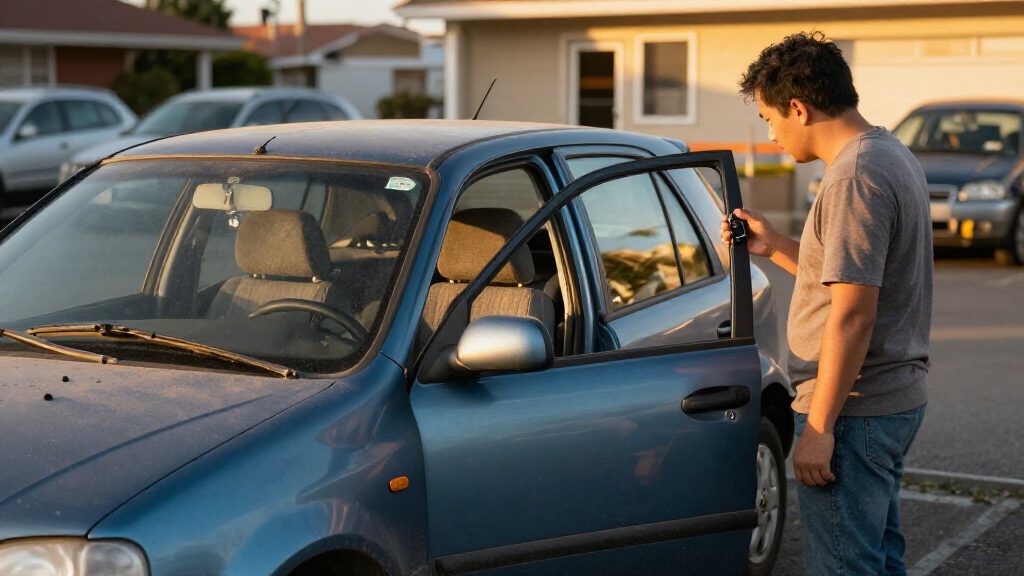
A California-based producer for The Drive bought a 2007 Toyota Yaris for $2,300 for a three-week, roughly 3,000-mile trip and track use. The purchase price was $300 below the quoted round-trip rental, but the Yaris needed repairs and suffered a clutch slave cylinder failure at the track; the report says total spending exceeded the original budget. It does not give a final cost comparison with the rental.
A $2,300 used Toyota Yaris looked cheaper than a round-trip rental for a three-week road trip, but repairs and a track-day breakdown pushed the buyer’s spending above his original budget, according to a report by The Drive. The account offers a real-world example of why a low purchase price alone cannot establish whether buying an older car beats renting one.
The buyer, a California-based producer identified as Joey, planned a roughly 3,000-mile loop through the Midwest that would end with track time. Rental companies’ restrictions on taking a car to a track were part of what led him to consider buying instead. He found a five-speed 2007 Toyota Yaris hatchback at a friend’s shop in Kentucky, priced at $2,300—$300 less than the quoted round-trip rental, The Drive reported.
The car had been sitting in a field and was not in flawless condition. Joey put the $300 difference into it and spent several hundred miles driving around the Midwest to find parts. At Virginia International Raceway, a clutch slave cylinder failed after one session, leaking fluid and leaving him unable to shift. The car was towed off the track, and he made a temporary repair using hood bolts before continuing, according to The Drive.
The report says Joey ultimately spent more than his original budget, but it does not state his final total or a complete rental quote. His calculation also included uses beyond ordinary transportation: track driving and keeping the Yaris afterward as a regional runabout and time-attack project. The source therefore describes one owner’s experience, not a like-for-like cost study for every renter or used car.
The Costs Beyond the Sticker Price
The comparison matters to anyone weighing a longer rental against buying an inexpensive car for a specific trip. A used vehicle can appear cheaper when its purchase price is below the rental quote, but that gap may be consumed by parts, repairs, travel to source them, or a breakdown. The Yaris story shows that the risk is not just a later repair bill: a failure can also disrupt a trip or planned activity.
Buying can still have value that a rental does not provide. Joey kept the car and intended to use it after the trip, while a rental would have been returned. That makes the two choices different: one is a temporary transportation expense, and the other is a vehicle purchase with continuing costs and potential future use. The Drive’s report does not quantify that future value, so it cannot show whether Joey’s overall decision paid off financially.
For readers, the practical takeaway is to compare more than the advertised rental rate and the used car’s sale price. The source account does not provide insurance, registration, taxes, fuel, maintenance, or the full cost of the trip for either option. Without those figures, it is not possible to calculate a definitive break-even point. The case does show why a buyer should account for the car’s condition and the possibility of repairs before treating a low asking price as a savings.
Products Worth Considering

Chemical Guys 10-Piece Car Wash Kit with Foam Gun

Innova 5610 OBD2 Bidirectional Scan Tool
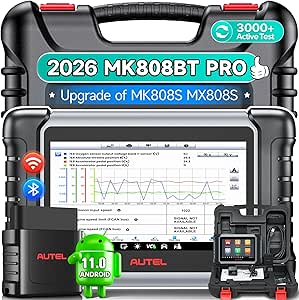
Autel MaxiCOM MK808BT PRO Bidirectional OBD2 Diagnostic Scanner
As an affiliate, we earn on qualifying purchases.
Why Joey Chose to Buy
The original question in The Drive’s report was whether buying a used car could make sense when someone needs transportation for an extended period, rather than renting for occasional utility needs. Joey’s circumstances added an unusual factor: he wanted to take the car to a track. According to the report, that prospect tends to cause problems with rental companies, making a privately owned car more suitable for his planned use.
The Yaris also was not intended to serve only as a temporary substitute for a rental. Joey hoped to turn it into a regional runabout and time-attack car, which helps explain why he accepted repair work and continued driving after the track failure. That longer-term plan is part of the economics of his decision, but it also means his experience is not directly comparable to someone buying a car solely to cover a three-week trip.
“Sticker price for the five-speed hatchback? $2,300—$300 less than he would have paid for a round-trip rental.”
— The Drive, describing the Yaris purchase
The Missing Final Cost Comparison
The report does not provide Joey’s final spending total, a line-by-line repair bill, or the full price and terms of the rental quote. It also does not specify whether the rental price included comparable insurance, fees, mileage limits, or permission for track use. Those missing details prevent readers from independently calculating which option would have cost less under identical conditions.
The source also does not establish how reliable the Yaris would have been after the temporary trackside repair or what additional work it needed. Joey’s stated plan was to keep and develop the car, but the report does not say how much value that future use would provide or whether further repairs were required. Its conclusion applies to this particular purchase and trip, not to used econoboxes as a category.
The Yaris After the Road Trip
The Drive’s account leaves Joey’s next steps tied to his stated plan: use the Yaris as a regional runabout and develop it as a time-attack car. The source does not report whether the clutch repair held, whether the car completed all remaining miles without another problem, or what additional costs followed.
For anyone making a similar choice, the next step is to build a full comparison before committing: confirm the rental’s total price and permitted use, then check the used car’s condition and estimate likely ownership costs. In Joey’s case, the report records the outcome of the trip but does not supply enough figures to calculate a general rule or a precise rental-versus-purchase threshold.
Key Questions
Was the Yaris cheaper than the rental?
The purchase price was $300 below the quoted rental price, but The Drive says Joey’s total spending exceeded his original budget after repairs. The report does not give a final total or enough rental-cost details to calculate a precise comparison.
How much did the used Toyota Yaris cost?
The 2007 five-speed hatchback had a stated price of $2,300. The report says Joey put the $300 difference between that price and the rental quote back into the car, then spent more overall, but it does not itemize the final costs.
What went wrong with the car?
During a track session at Virginia International Raceway, the clutch slave cylinder leaked fluid, leaving Joey unable to shift. The car was towed off-track and temporarily repaired with hood bolts, according to The Drive.
Why buy instead of rent?
Joey wanted to take the car to a track, which The Drive said can be problematic with rental companies. He also planned to keep the Yaris as a runabout and time-attack project, giving the purchase a potential use beyond the three-week trip.
Does this prove buying a used car is usually cheaper?
No. The report describes one buyer and one trip, and it does not provide full cost figures for either option. The buyer’s future use of the car also makes his situation different from a short-term renter’s.
Source: thedrive.com