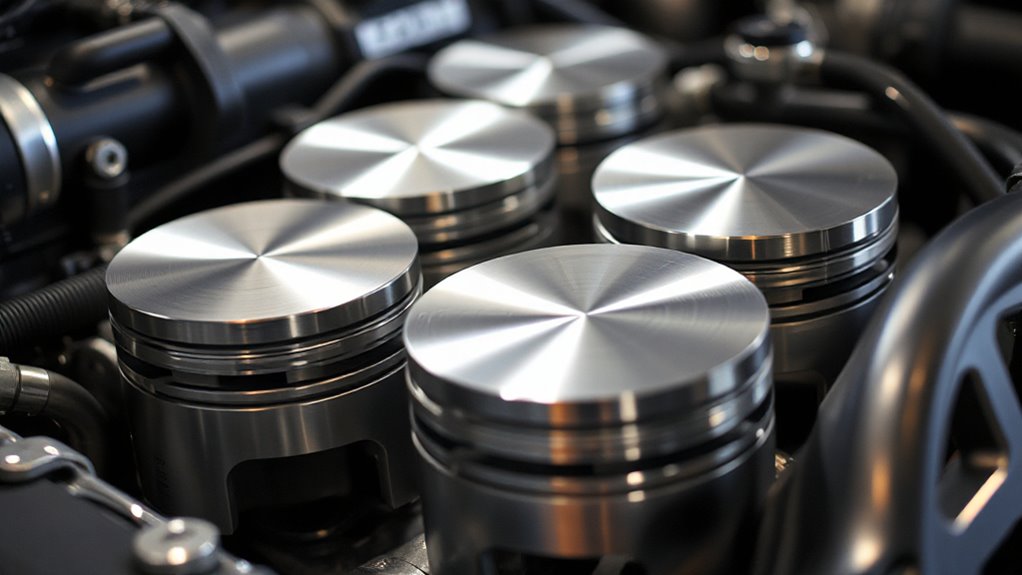
Upgrading to high-compression pistons can considerably boost your engine’s power and responsiveness by increasing the compression ratio. This allows you to squeeze more energy from each combustion cycle, improving acceleration and fuel efficiency. However, it also puts more stress on engine components and requires high-quality materials, proper tuning, and premium fuel. If you’re aiming for more power and are willing to maintain your engine carefully, this upgrade could be worth it—explore the details further to see if it fits your goals.
Key Takeaways
- High-compression pistons can significantly boost engine power and responsiveness when properly installed and tuned.
- They improve fuel efficiency by extracting more energy from the fuel-air mixture, enhancing mileage.
- Increased compression raises engine stress, requiring high-quality materials and careful component selection for durability.
- Suitability depends on engine condition, driving habits, and compatibility with high-octane fuel; not ideal for all vehicles.
- When correctly implemented, high-compression pistons offer a worthwhile power gain and efficiency upgrade, provided maintenance is maintained.
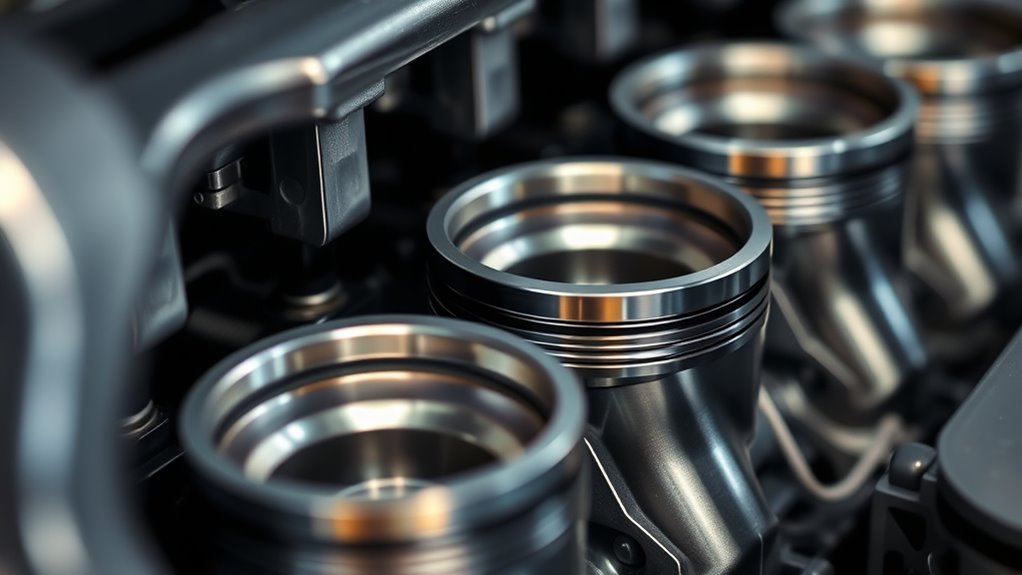
High-compression pistons are vital components that boost engine performance by increasing the compression ratio. When you upgrade to high-compression pistons, you’re essentially squeezing more power out of each combustion cycle. This improvement can translate into noticeable gains in acceleration and overall engine responsiveness. But beyond just enhancing power, these pistons also influence fuel efficiency and engine durability. Understanding how they impact these aspects can help you determine if upgrading is worth it for your vehicle.
High-compression pistons boost performance, fuel efficiency, and engine responsiveness through increased compression ratios.
Increasing the compression ratio with high-compression pistons allows your engine to extract more energy from the fuel-air mixture. This means you can achieve better mileage because your engine is making more efficient use of the fuel. If fuel economy is a priority for you, upgrading to high-compression pistons can be advantageous, especially if paired with other performance modifications. You’ll notice that you get more miles per gallon, which can save you money over time. However, keep in mind that higher compression ratios also demand higher-octane fuel to prevent knocking. Proper tuning and fuel selection are essential to maximize these benefits without risking engine damage.
Engine durability is another vital factor to consider. High-compression pistons put additional stress on your engine components because they operate at higher pressures and temperatures. This extra stress can lead to increased wear if the pistons aren’t designed with quality materials or if your engine isn’t properly tuned. High-quality pistons made from forged aluminum or similar durable materials are essential to withstand these higher pressures. When you choose the right pistons and ensure proper installation and tuning, you can maintain engine longevity while enjoying the power gains. Conversely, poorly designed or incompatible pistons might accelerate wear, leading to costly repairs down the line.
While high-compression pistons can improve your engine’s performance, they’re not a one-size-fits-all solution. You need to assess your driving habits, fuel availability, and the overall condition of your engine. If you’re seeking more power without sacrificing fuel economy and are prepared to invest in quality parts and tuning, upgrading to high-compression pistons makes sense. They can provide a significant boost in performance and efficiency when used correctly. But if your engine is already nearing the limits of its durability or if you mainly use your vehicle for casual driving, the risks might outweigh the benefits.
Ultimately, whether high-compression pistons are worth the upgrade depends on your goals. If you want maximum power, improved fuel efficiency, and are willing to maintain your engine properly, they can be a valuable addition. Just remember that the right choice involves careful consideration of the materials, tuning, and your specific driving needs. Additionally, understanding common repair practices can help you maintain your upgraded engine and prevent costly issues down the line.

Rislone 4447 High Mileage Compression Repair with Ring Seal, 16.9 oz.
INCREASE AND STABILIZE COMPRESSION: Rislone High Mileage Compression Repair with Ring Seal is a concentrated proprietary blend of…
As an affiliate, we earn on qualifying purchases.
As an affiliate, we earn on qualifying purchases.
Frequently Asked Questions
Do High-Compression Pistons Affect Engine Longevity?
High-compression pistons can increase engine wear if not paired with proper maintenance, potentially shortening engine longevity. You might find yourself needing more frequent maintenance to prevent issues like knocking or overheating. While they boost power, they also put additional stress on engine components. If you’re willing to stay on top of maintenance and monitor engine health, they can be a worthwhile upgrade without considerably compromising longevity.
Are High-Compression Pistons Suitable for Daily Drivers?
High-compression pistons can work for your daily driver if your engine is compatible with a higher compression ratio. They boost power and efficiency, but may cause knocking or increased wear if your fuel quality or engine design isn’t suited. Check your vehicle’s specifications and consult a mechanic to make certain the pistons match your engine’s compression ratio. Proper installation and tuning are essential for reliable, everyday performance.
What Are the Costs Involved in Upgrading to High-Compression Pistons?
Upgrading to high-compression pistons involves cost considerations like purchasing the pistons themselves, which can range from a few hundred to over a thousand dollars. Installation expenses also add up, especially if you need professional labor, gaskets, or machining. You should budget for these additional costs to guarantee a smooth upgrade. Keep in mind that quality components and proper installation are vital for maximum power gains and engine longevity.
How Do High-Compression Pistons Impact Fuel Efficiency?
You might find that high-compression pistons can be a double-edged sword when it comes to fuel efficiency. They typically boost engine performance, but if your engine isn’t tuned right, fuel consumption can take a hit. Think of it as putting your foot on the gas—more power often means more fuel needed. Proper tuning guarantees you get the best balance between improved performance and reasonable fuel consumption.
Can High-Compression Pistons Be Installed Without Tuning Adjustments?
You can install high-compression pistons without tuning adjustments, but it’s not recommended. Increasing the compression ratio changes how your engine compresses fuel, which can cause knocking or pre-ignition if the tuning isn’t modified accordingly. To maximize performance and avoid engine damage, you should make tuning adjustments after installing high-compression pistons. This ensures your engine runs smoothly and safely with the new components.

KTC Racing Forged 4032 Aluminum Pistons with Rings & Pins – ‑Performance Upgrade for 2JZ & 2JZ‑GTE Engines
Forged from 4032 aluminum for enhanced and strength under extreme conditions. Designed to withstand stress while maintaining lightweight…
As an affiliate, we earn on qualifying purchases.
As an affiliate, we earn on qualifying purchases.
Conclusion
In the end, upgrading to high-compression pistons can be like giving your engine a turbo boost, revealing noticeable power gains. If you’re seeking that extra punch on the road or track, they’re worth considering. Just remember, like a finely tuned instrument, they require proper setup and care. When done right, you’ll feel the difference—smooth, powerful, and ready to take on whatever comes next. So, is it worth it? Absolutely, if you want to rev up your performance.

Klotz Higher Octane Booster Fuel Treatment – 1 Gallon KL-628
All items sold individually unless otherwise specified
As an affiliate, we earn on qualifying purchases.
As an affiliate, we earn on qualifying purchases.
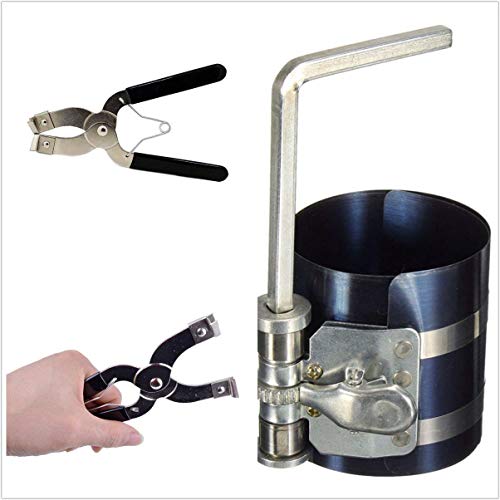
Plum Garden Car Engine Piston Ring Compressor Tool & Piston Ring Pliers for Adjustable Safety Screws
Installs and removes piston rings up to 6.4mm (1/4") without twisting.
As an affiliate, we earn on qualifying purchases.
As an affiliate, we earn on qualifying purchases.