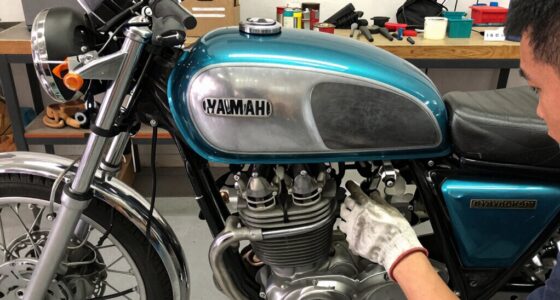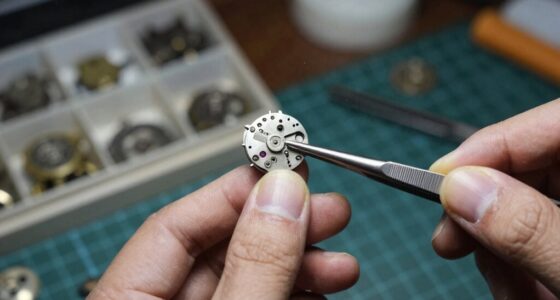

You may see restorations lose value quickly if they feature poor craftsmanship, outdated materials, or neglect modern safety standards. When restoration work isn’t done carefully, structural issues or safety hazards can appear, decreasing appeal and worth. Overly vintage or cluttered designs may also seem out of place today, making them less desirable. Focusing on quality, durability, and modern updates helps preserve value. To understand how to keep your restorations valuable, keep exploring these essential factors.
Key Takeaways
- Using outdated or fragile materials accelerates deterioration, reducing long-term value.
- Overly vintage or nostalgic aesthetics may not align with current market preferences, limiting appeal.
- Poor craftsmanship or neglect of modern safety standards leads to structural issues and depreciation.
- Restorations lacking durability and low maintenance requirements diminish the item’s longevity and resale potential.
- Ignoring contemporary design trends and buyer preferences results in decreased desirability and faster value loss.

Restorations, once viewed as a smart investment, are increasingly losing their value in today’s market. You might have believed that bringing an old piece or vehicle back to life would always pay off, but the reality is more complex. The appeal of vintage trends has shifted, and what once seemed timeless now often feels outdated or overly nostalgic. Buyers today are more selective, and they value authenticity and quality over simply restoring something to its original state. If your restoration focuses heavily on recreating a vintage look without considering current tastes, you risk losing potential buyers or seeing your investment depreciate faster.
Material durability plays a pivotal role in whether a restoration retains its value. You could restore a piece with the most authentic vintage materials, but if those materials are prone to wear or deterioration, the overall value drops. Modern manufacturing techniques and materials often outperform traditional ones in durability. When you choose outdated or fragile materials for the sake of historical accuracy, you might end up with a restoration that looks great initially but quickly declines in condition. This diminishes the item’s long-term appeal and resale value because buyers now prioritize longevity and low maintenance. Additionally, market trends influence how restorations are valued, with contemporary preferences often favoring sleek and modern designs over heavily vintage styles. Recognizing changing consumer preferences can help guide your restoration choices toward designs that will resonate longer into the future.
Another factor that accelerates the decline in value is the trend toward minimalism and sleek, contemporary designs. Restorations that cling too tightly to vintage aesthetics can seem out of place in modern settings. If your project looks overly nostalgic or cluttered with period-specific details, it might not appeal to the broader market anymore. Instead, a more versatile or updated look often retains value better. It’s essential to balance the vintage charm with subtle updates that make the piece relevant today. Otherwise, your restoration risks becoming a niche item that only appeals to a small group of collectors, limiting its future appreciation. Recognizing market preferences can help you make more strategic restoration decisions that appeal to a wider audience.
Additionally, poor craftsmanship or ignoring modern standards of restoration can lead to rapid depreciation. If your work isn’t meticulous or doesn’t meet current safety and quality benchmarks, the item’s value drops dramatically. Even if the restoration looks authentic, flaws in execution can turn off potential buyers or collectors. They want a piece that not only looks good but also stands the test of time. A restoration that incorporates modern standards ensures the piece maintains its appeal and safety for future use. Furthermore, neglecting restoration best practices can result in structural issues or safety hazards that quickly devalue the item.

20Pack 5.2″Long Upgrade Stainless Steel Cabinet Door Painting Hangers, Heavy-Duty Cabinet Door Hangers for Spray Painting & Drying, Anti-Drop No-Drill Paint Drying Rack Hooks for Pro Woodworking
Efficient 20-Pack Value Set: Maximize your workshop productivity with this bulk set of 50 cabinet door painting hangers….
As an affiliate, we earn on qualifying purchases.
As an affiliate, we earn on qualifying purchases.
Frequently Asked Questions
Can Restoration Quality Impact Long-Term Value Retention?
Yes, restoration quality markedly impacts long-term value retention. When you prioritize craftsmanship, it guarantees the work is done meticulously and correctly, preserving the item’s integrity. Material durability also plays an essential role—using high-quality, lasting materials helps your restoration withstand time and wear. If you choose skilled restoration services that focus on craftsmanship and durable materials, you’ll enjoy better value retention and a longer-lasting result.
How Do Market Trends Influence Restoration Depreciation?
Market trends can hit your restoration’s value like a tidal wave, sweeping away its worth faster than you’d imagine. Fluctuations in demand and economic shifts influence how restoration techniques are perceived over time. If trends favor modern, innovative methods, outdated techniques rapidly depreciate. Staying updated with market fluctuations allows you to adapt your restoration projects, preserving their value longer and avoiding the devastating crash of your efforts’ worth.
Does Initial Restoration Cost Affect Future Resale Value?
Yes, your initial restoration cost can influence future resale value. If you invest in restoration aesthetics that enhance authenticity, it boosts the item’s appeal and preserves value. Conversely, overspending on superficial fixes that compromise restoration authenticity might hurt resale prospects. Buyers seek restorations that balance quality and originality, so your initial expenses should focus on preserving the piece’s true character to maintain or increase its future value.
Are Certain Restoration Materials More Prone to Value Loss?
Certain restoration materials are more prone to value loss because of their material durability and aesthetic appeal. You might notice that cheaper or less durable materials, like low-quality veneers or plastics, deteriorate faster, losing their visual appeal and structural integrity. In contrast, high-quality, durable materials like solid hardwood or porcelain tend to maintain their value longer. Choosing the right materials guarantees your restoration retains its beauty and worth over time, saving you money and frustration.
How Does Maintenance Impact the Longevity of Restoration Value?
Your maintenance directly impacts the longevity of restoration value. By following proper cleaning techniques, you prevent deterioration and uphold appearance. Regular upkeep ensures the restoration stays in top condition, preserving its value over time. Additionally, obtaining and adhering to restoration certifications demonstrates your commitment to quality, which can boost credibility and confidence in your work. Consistent maintenance and a focus on professional standards help guarantee your restoration retains its value longer.

Plastic Rattan Cane Webbing 16"×40", Coffee Color Rattan Webbing for Caning Projects, Woven Open Mesh Cane for Furniture, Durable Craft Material for DIY Chairs & Cabinets
【 Materials 】 Our rattan is made of high-quality materials and will not fade even after long-term use.
As an affiliate, we earn on qualifying purchases.
As an affiliate, we earn on qualifying purchases.
Conclusion
So, don’t be discouraged if your restoration seems to lose value quickly. It’s normal, especially if you’re not aware of the factors at play. Remember, regular maintenance and understanding what affects your restoration can make a big difference. Even if it feels overwhelming at first, taking small, consistent steps can help preserve its worth. After all, knowledge is power—so stay informed and keep your restoration in top shape!

Restoring Antique Tools
Used Book in Good Condition
As an affiliate, we earn on qualifying purchases.
As an affiliate, we earn on qualifying purchases.

Restoration and Renovation Handmade Irregular Shape Wool Area Rug | Unique Contemporary Botanical Design, Thick & Soft Carpet | Perfect for Living Room, Bedroom Decor (Multi B, 5' x 8')
100% PURE WOOL MATERIAL: Made from 100% Natural Wool, this rug is soft, yet robust enough to withstand…
As an affiliate, we earn on qualifying purchases.
As an affiliate, we earn on qualifying purchases.